


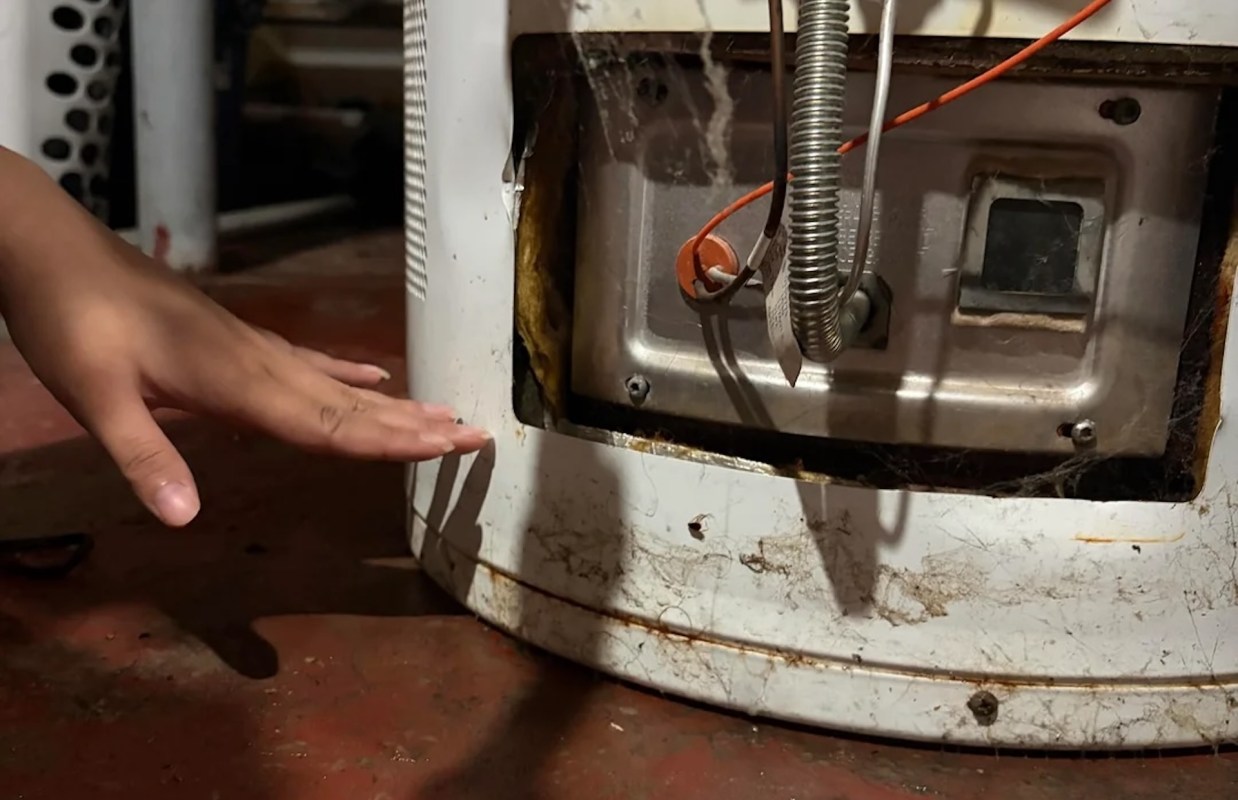
A few inches of basement water can create a much bigger problem than a soaked floor.
One young homeowner wondered whether a gas water heater was still safe to use after a brief flood knocked out the hot water and appeared to extinguish the pilot.
Here's what to know
In a Reddit thread, the original poster laid out the aftermath of 2-3 inches of water flooding their basement.
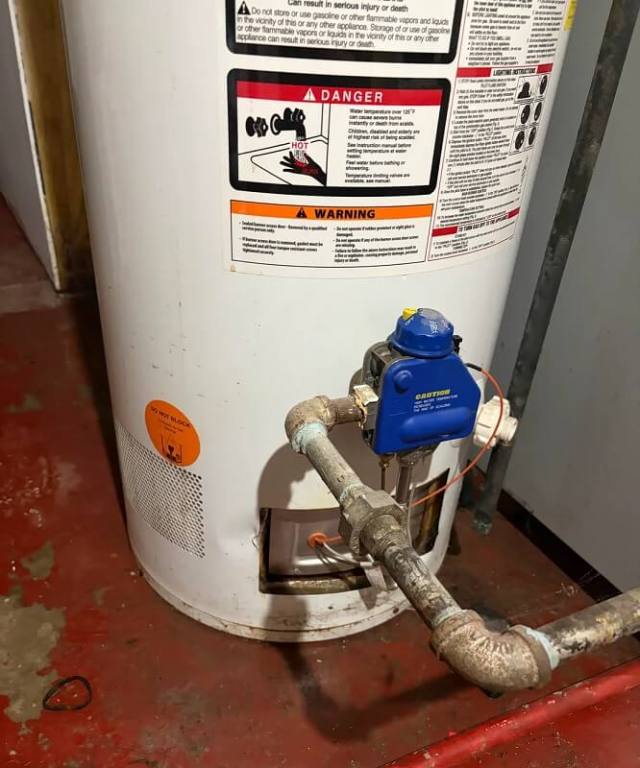
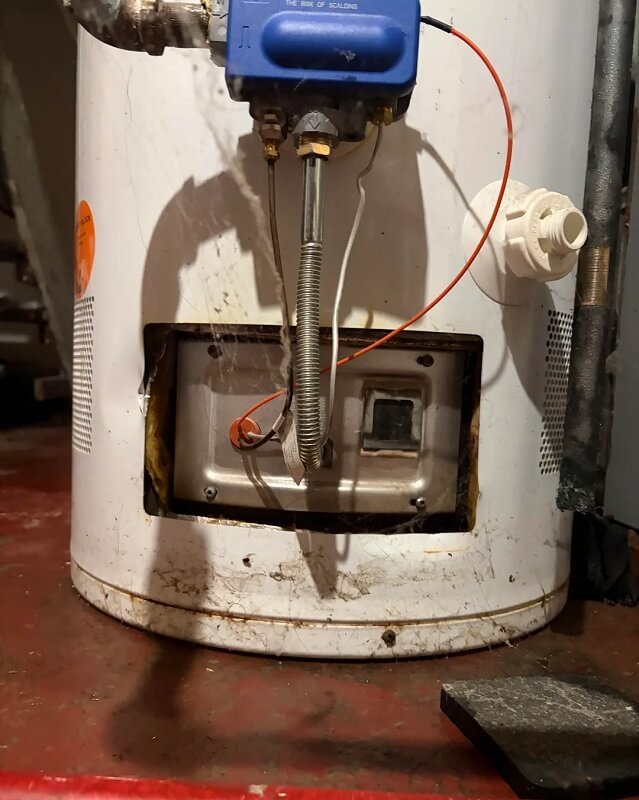
"We got the sump pump replaced so that's all good but then my wife noticed we didn't have hot water today," they wrote on the r/askaplumber subreddit. "I checked the water heater and the light is off obviously and have been researching that it may be unsafe to turn it back on."
According to the post, a couple of inches of water remained in the basement for a few hours. After already paying for a new sump pump, the homeowner admitted they were "tight on money."
They thus asked the question directly: "Should/can I turn it on? Is it even safe to use it again?"
If a flooded unit needs replacement, that can also create an opportunity to lower utility costs. Upgrading to a heat pump water heater can dramatically reduce water-heating energy use, and many households can save around $500 a year on energy bills compared with a standard electric resistance model, depending on local rates and usage.
More background
Only after the sump pump repair was handled did the water heater become the next concern. Replies centered on one main checkpoint of the gas control valve.
Save $10,000 on solar panels without even sharing your phone number Want to go solar but not sure who to trust? EnergySage has your back with free and transparent quotes from fully vetted providers in your area. To get started, just answer a few questions about your home — no phone number required. Within a day or two, EnergySage will email you the best options for your needs, and their expert advisers can help you compare quotes and pick a winner. Solar panels can save you more than $50k over their 25-year lifespan, and EnergySage can help you save as much as $10k on installation. Which begs the question — isn't that worth an email or two? |

"If the water didn't get as high as the gas valve it should be fine," a user wrote. "Just make sure the water is out of the base."
When the original poster asked how they could verify if it went that high, the same poster told them they could look inside to find out. One commenter was more hesitant, but conceded, "there is a possibility that you can re-light the pilot and everything is fine."
What can be done?
Before deciding, it helps to determine the highest water line and whether any gas controls went underwater. The base should be completely dry, too.
As it turned out, the OP checked out the valve. While it was wet, they saw only a little bit of standing water. With some hesitation, they seemed to be in the clear.
"Ended up turning it on and it did relight!" they wrote in an update. "Set it to low for now and am going to monitor it to make sure it works okay."
If things go off course and a replacement is needed, higher-efficiency equipment can soften the financial hit over time. Cala makes customizable smart heat pump water heaters that help homeowners decrease their energy bills by heating water exactly when it's needed. That approach can reduce wasted energy while still keeping enough hot water ready for daily use.
Smart controls can be just as important as efficiency ratings, especially for families trying to manage both repair costs and monthly utility bills. By shifting when water is heated, systems such as Cala's can better match real household demand instead of constantly maintaining heat the old-fashioned way.
Where can I learn more?
Water heaters can be tricky to manage, even in the best of circumstances. Floodwater only ups the potential for pitfalls.
• One homeowner had gas valve and controls in question after floodwater reached the heater.
• One homeowner was left traumatized after a faulty water heater blew up in their face.

Get TCD's free newsletters for easy tips, smart advice, and a chance to earn $5,000 toward home upgrades. To see more stories like this one, change your Google preferences here.






