


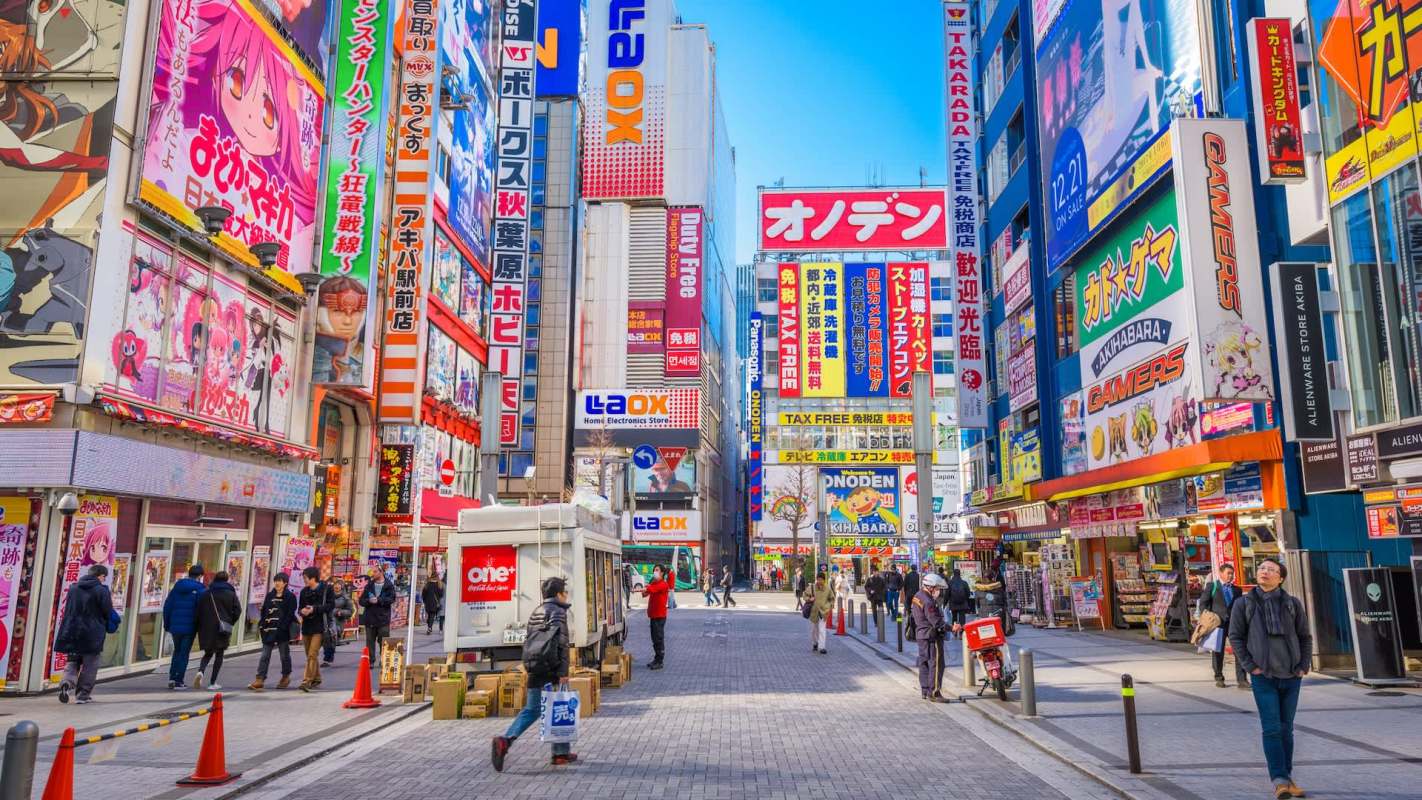
Visitors in Tokyo often run into an odd contradiction: the city looks spotless, yet after finishing a drink or snack, finding a public place to toss the cup or wrapper can be surprisingly difficult.
Security measures, government policy, and everyday social norms have shaped a system that keeps litter rare in one of the world's busiest urban environments.
Here's what to know
One reason Japan has so few public rubbish bins goes back to March 1995. Following the Aum Shinrikyō cult's sarin gas attack on three Tokyo Metro lines during rush hour, which killed 14 people and injured thousands, authorities closed off or removed rubbish bins as an anti-terrorism step, BBC Travel reported.
Eiko Maruko Siniawer, a history professor at Williams College and author of Waste: Consuming Postwar Japan, told the outlet, "It is a complex mix of historical developments … economic phenomena, political events and their variegated effects on how people decide to act."
Aya Yoshida of Japan's National Institute for Environmental Studies said local governments have also cut back on bins for practical reasons, including pushing residents to take rubbish home and reducing upkeep expenses. She pointed to Kyoto, where street bins were cut by more than half starting in 2011 after higher management costs linked to household waste being dumped in them and litter collecting nearby.
More background
Yoshida said it is overly simplistic to explain Japan's litter-free appearance as a product of national neatness alone. In her view, clean streets also reflect long-running anti-littering campaigns, public education, street cleaning, and urban design.
TCD Picks » Quince Spotlight
💡These best-sellers from Quince deliver affordable, sustainable luxury for all




At the same time, social expectations matter. The idea of "meiwaku o kakenai" — not inconveniencing others — is often cited, and because eating while walking or on trains is less common, people may produce less trash when they are out.
For tourists, that mix can stand out. Spending a full day sightseeing and picking up convenience-store snacks often means holding onto wrappers and cups until a place to dispose of them finally appears.
What's being done?
Public bins have not disappeared completely in Japan; instead, their placement and design have changed. Siniawer said train stations still provide them, and BBC Travel reported that many are clear bins set near ticket gates, where staff and security cameras can monitor them more easily.
According to the outlet, Shinjuku Station is also testing mobile rubbish-bin robots that move through the area collecting litter.
As Japan-based tour guide Junko Yokoo said, "At first, my guests often mourn the lack of available trash bins, but they also enjoy seeing no trash on the streets and learn to embrace a 'when in Tokyo' mentality."

Get TCD's free newsletters for easy tips, smart advice, and a chance to earn $5,000 toward home upgrades. To see more stories like this one, change your Google preferences here.






