


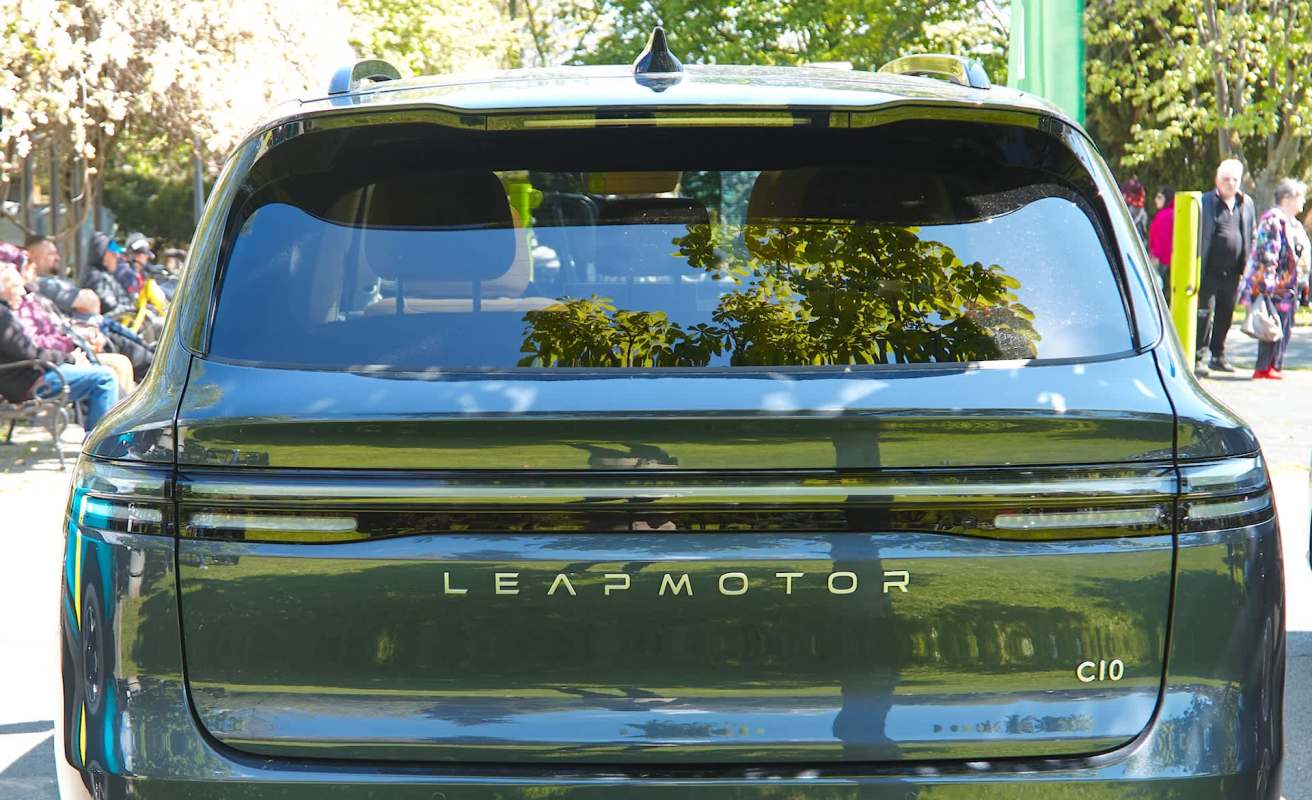
In 2023, Australia removed hundreds of Dahua surveillance cameras from federal properties because of security concerns. In 2024, technology linked to the same Chinese company had reportedly resurfaced in Australia through lower-cost electric vehicles.
Here's what to know
According to the Australian Broadcasting Corporation, some Leapmotor C10 vehicles sold in Australia use cameras made by Dahua, the company whose surveillance gear was removed from federal sites.
Former national cybersecurity adviser Alastair MacGibbon said the Leapmotor C10's connected camera system heightens the surveillance risk, with six cameras covering the vehicle's surroundings and the interior cabin.
In his view, a vehicle left near an official site could help reveal patterns in how people move in and out of the area.
"You can even determine when something important was happening based on changed patterns of employees," he said. "Are there people that staff the watch office that are suddenly turning up at a time that means there's a crisis happening somewhere, or that the government is scaling up to do something?"
Records submitted to Hong Kong's stock exchange show that Leapmotor has an ongoing procurement contract with a Dahua subsidiary for cameras, sensors, and radars.
TCD Picks » Quince Spotlight
💡These best-sellers from Quince deliver affordable, sustainable luxury for all




"[It] establishes a mesh of video and electronic knowledge that is granular and when it's taken in totality is almost a near perfect real-time picture of Australia," MacGibbon said.
More background
MacGibbon described modern connected cars as "an ideal surveillance device" because of their microphones, cameras, and remote software capabilities. He added, "What we're really talking about here is a national security issue caused by the aggregate number, hundreds of thousands of these vehicles, and soon to be the dominant type of vehicle sold in Australia."
That concern goes beyond military facilities. Everyday drivers are increasingly buying cars that collect significant amounts of data, often with little visibility into where the hardware comes from, what features can be remotely activated, or who could ultimately gain access to that information.
What's being done?
Australia already has some limited restrictions. Home Affairs Minister Tony Burke said drivers have been told to keep connected vehicles well away from certain sites, even without a nationwide ban.
In 2021, China barred Teslas, including Shanghai-built ones, from certain political enclaves and some defense sites. In the United Kingdom, in 2025, some sensitive sites and training bases banned EVs from Chinese brands as well as vehicles containing Chinese components, with one case requiring them to be parked more than 3 kilometers (1.9 miles) away.
The Department of Defence would not say what restrictions are currently in place for connected vehicles, leaving workers, contractors, and the public without a full picture.
Where can I learn more?
Chinese EV technology, data access, and national security are points of contention beyond Australia, particularly in the United States.
• In Washington, lawmakers proposed blocking Chinese vehicles at the border over connected-car spying fears.
• U.S. experts warn import dependence on China shapes the EV and battery boom.
• Government filings show a Geely hybrid sedan could soon push deeper into overseas markets.

Get TCD's free newsletters for easy tips, smart advice, and a chance to earn $5,000 toward home upgrades. To see more stories like this one, change your Google preferences here.






