


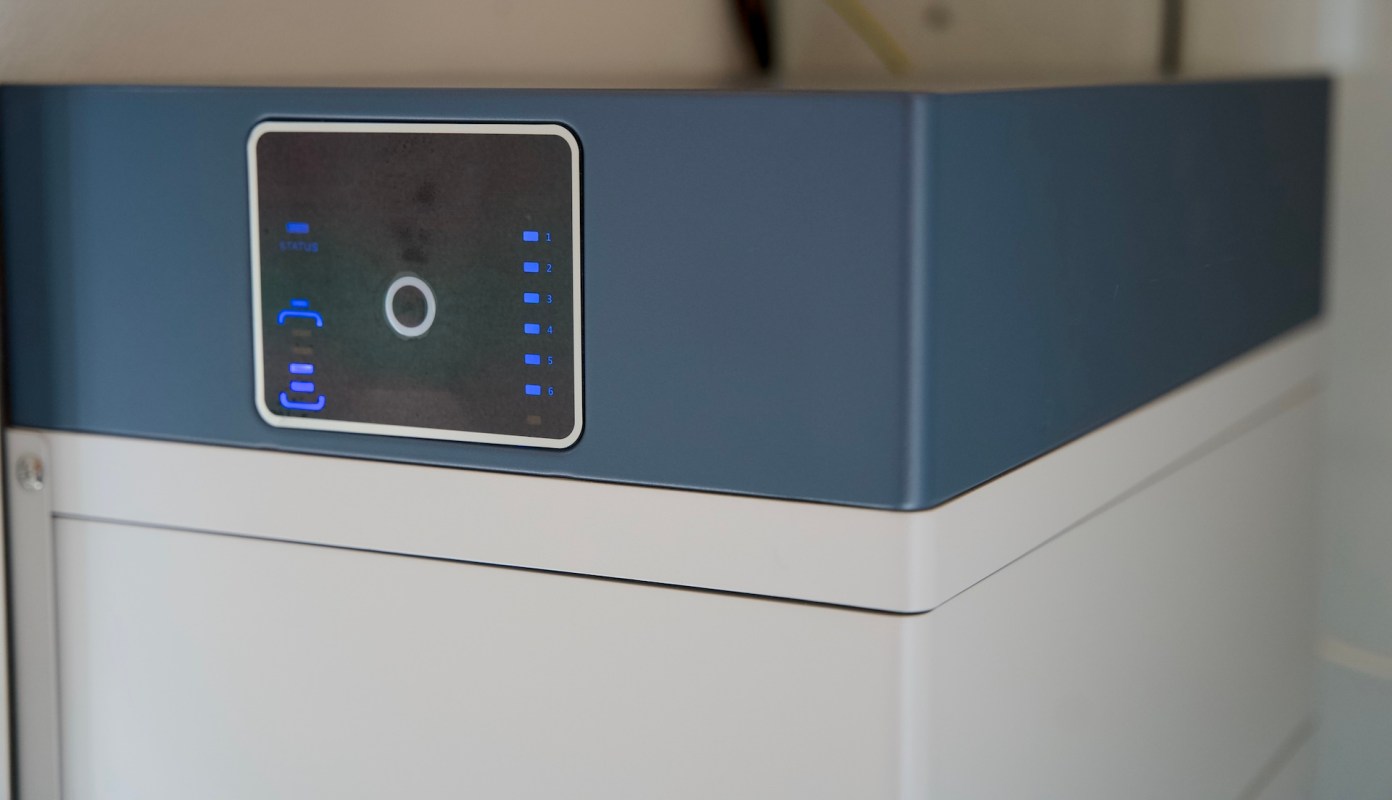
A homesteader planning for the next blackout sparked a familiar debate: Are battery backups enough, or do long outages make a generator unavoidable?
For anyone worried about spoiled food, lost water pressure, or a flooded basement, the discussion offered a practical look at what people rely on when the grid goes down.
Here's what to know
"We've had a few outages lately, so it made me think more about what would happen in case we actually lost power for a day or two," the original poster said in r/homestead. "The fridge and freezer are a big concern, but I'm also thinking about things like the well pump and keeping basic equipment running.
"I'm looking into battery backup instead of trying to power the whole place. The idea would be to keep the things we rely on most running without having to run a generator every time the power goes out."
A number of users drew on outages they had experienced.
"We just had a four-day power outage over Labor Day weekend. Battery backups ran out after 12 hours. Get a gas generator," one said.
TCD Picks » Quince Spotlight
💡These best-sellers from Quince deliver affordable, sustainable luxury for all




Rather than treating backup power as an all-or-nothing decision, other users pieced together setups. The examples ranged from solar serving a well house or barn so freezers can stay cold to a dedicated sump-pump battery and a small inverter generator that can run a well pump, furnace, and refrigerators while also topping up batteries.
"I have solar in the well house/tack/feed barn, that can run the freezers, etc. If I wanna run everything, the generators come out," another user wrote.
More background
Duration was the dividing line in the replies. A battery station can buy a few hours for a sump pump or help a refrigerator through a brief outage, especially when a freezer is filled out with extra ice or jugs of water.
For rural households, the issue can extend beyond convenience. If a well pump loses power, that can also mean losing access to water. If a sump pump fails, homeowners may be left with water damage. And if refrigerators and freezers warm up, replacing spoiled food can create another expense.
Costs can rise when people move from backing up only essential loads to covering an entire home.
"Whole-house generator is really the best thing," one user said. "I had a friend ask about mine we had installed five years ago, and a 24kW generator with auto xfer switch and install was $8,300 from Generac."
What can be done?
Several users focused on identifying mission-critical loads instead of trying to back up everything. In this thread, that meant refrigerators, freezers, well pumps, sump pumps, and furnaces.
That kind of planning can save thousands of dollars. A portable or inverter generator paired with a battery station may provide most of the practical benefit at a much lower cost, especially if the goal is to get through a one- or two-day outage rather than power every appliance as usual.
For households planning upgrades in stages, solar paired with battery storage was presented as a way to cover short interruptions, while a generator kept in reserve could be used when an outage lasts several days.
The thread kept returning to a hybrid setup.
"Gas generators could be great for charging the batteries so you can have quiet at night," one user said.
Where can I learn more?
For a closer look at trade-offs, these stories follow homeowners and companies weighing portable generators, propane units, home batteries, financing options, and alternatives to Tesla's Powerwall.
• After three days without power, one homeowner turned to a portable propane generator instead of a standby unit.
• Across the U.S., homeowners are increasingly choosing next-gen backup batteries over noisy fossil-fuel generators.
• In a rural blackout, a homeowner showed how solar and battery storage kept essentials running for 42 hours.
• Through Palmetto financing, households are adding home backup batteries without large upfront payments.

Get TCD's free newsletters for easy tips, smart advice, and a chance to earn $5,000 toward home upgrades. To see more stories like this one, change your Google preferences here.






