


As solar panels get cheaper, the bigger question is about where to put them without compromising the planet.
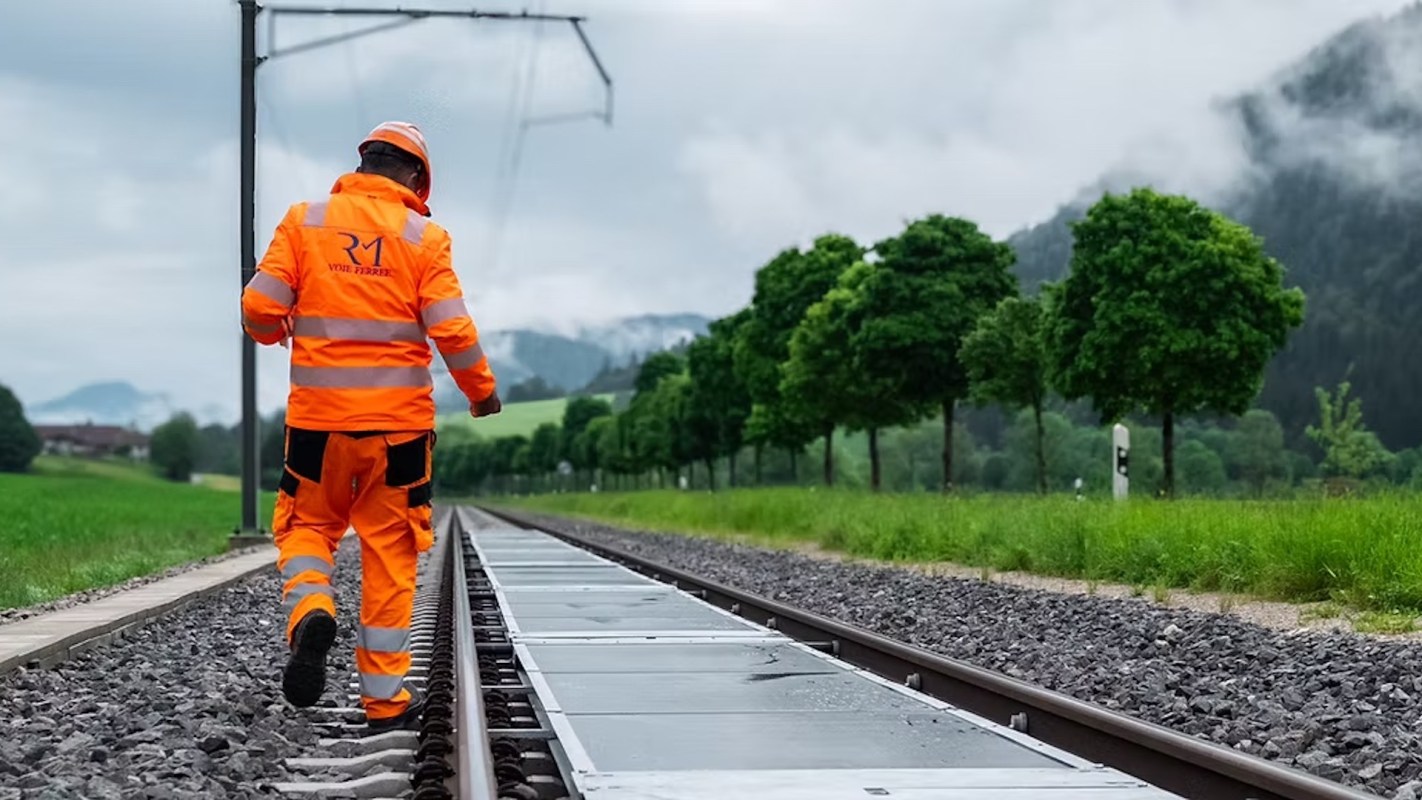
Switzerland is testing one unusual answer by placing panels in the space between rails on a live train line.
Here's what to know
Swiss company Sunways has set up a 328-foot pilot near Buttes, a village in western Switzerland, using 48 photovoltaic panels mounted between the rails of an operating track.
Featured by the YouTube channel Just Have a Think, the demonstration has a peak capacity of about 18 kilowatts, and more than 11,000 trains have crossed over it without major problems since testing began in April 2025.
As solar hardware costs fall, attention is shifting to how to deploy huge numbers of panels without absorbing cropland or triggering new battles over land use.
That shift could make options like rail solar, rooftop solar, and panels above parking lots more appealing to cities and businesses that want clean power close to the places where people already live and work.
TCD Picks » Quince Spotlight
💡These best-sellers from Quince deliver affordable, sustainable luxury for all




More background
The Swiss trial highlights a larger issue in the energy transition: Solar farms can produce a lot of electricity, but they also take up land that may already have another use.
The U.S. Department of Agriculture found that more than 70% of utility-scale solar projects built in rural parts of the U.S. from 2009 to 2020 were placed on agricultural land, including 43% on cropland.
This does not mean solar is endangering the food supply, but keeping productive farmland in use can help support food systems, while cleaner electricity can reduce pollution from dirty energy sources and improve public health.
What's being done?
To allow regular rail work, Sunways built the system so maintenance crews can remove the panels with specialized machinery when they need track access. The company also said airflow from passing trains may help keep the panels clean, and that additional brushes can be mounted beneath trains.
Interest is spreading beyond Switzerland. Italy is weighing a pilot project, and France and South Korea have also shown interest.
Using already-built spaces for power generation could expand clean electricity with less pressure on farmland, potentially reduce siting disputes, and move production closer to demand centers.
Where can I learn more?
Engineers are testing solar in all kinds of built spaces, including rail lines and other transportation infrastructure. These examples span Swiss track panels, reused rail corridors, bike paths, retaining walls, and a solar-backed high-speed line.
• In western Switzerland, Sun-Ways made the first attempt to deploy solar on railways along active tracks.
• Elsewhere, developers see abandoned train tracks as promising corridors for land-saving solar arrays.
• In the Netherlands, cyclists now ride over two new solar cycle paths built into pavement.
• In another Swiss canton, crews turned a retaining wall into a vertical solar generator.
• In California, planners paired a solar-powered high-speed rail project with the state's fast-growing transit buildout.

Get TCD's free newsletters for easy tips, smart advice, and a chance to earn $5,000 toward home upgrades. To see more stories like this one, change your Google preferences here.






