


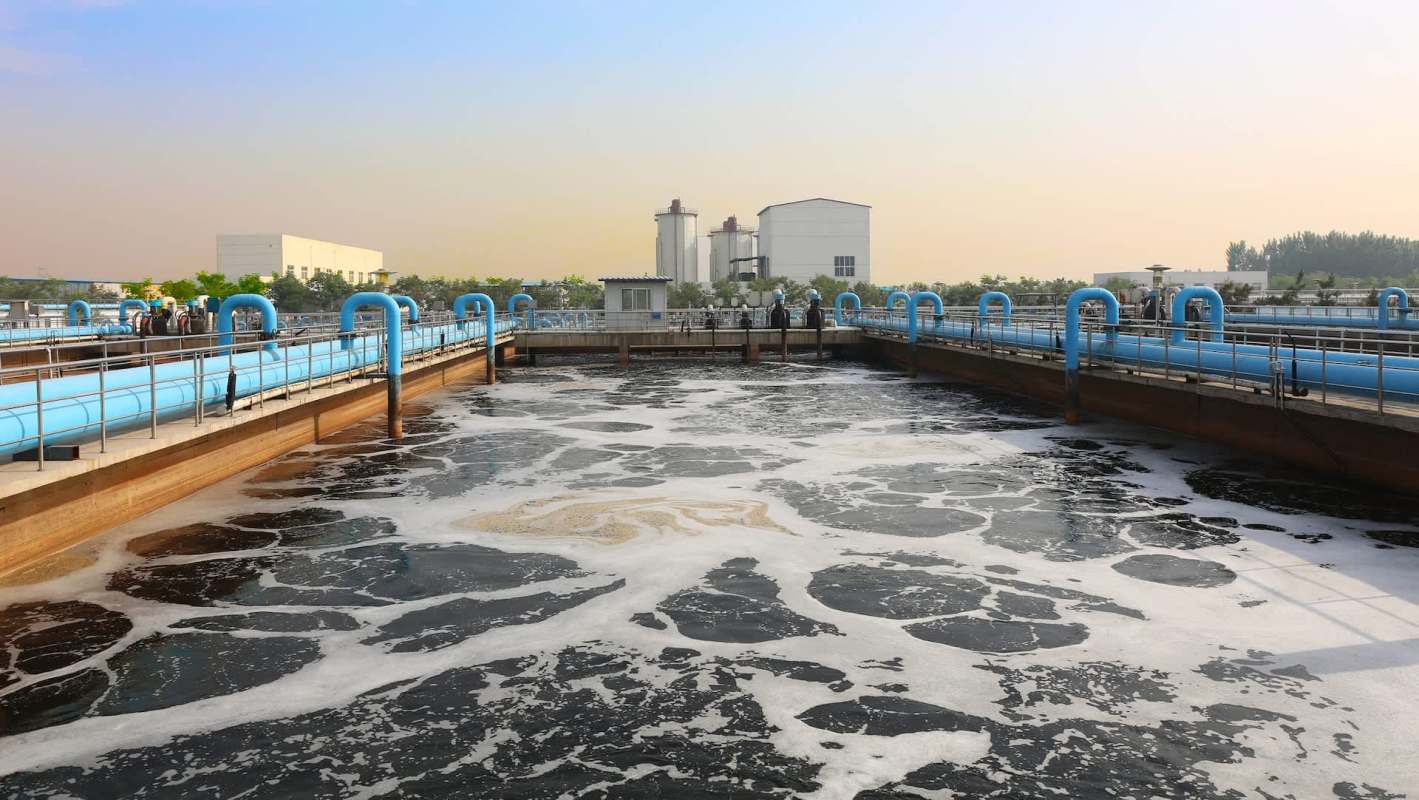
For residents near New Bedford's wastewater treatment plant, a persistent foul odor is becoming a broader fight over neighborhood livability.
A complaint log covering the area around South Rodney French Boulevard has tallied 24 odor reports, giving residents new evidence in a dispute they say has lingered without a real solution.
Here's what to know
The city is examining reports of unpleasant smells near the treatment plant, according to SouthCoastToday. Records kept by Veolia Water North America show complaints in January, February, May, June, July and August, with June and August tied for the highest total at eight each.
Barry Sylvia, a South End resident and one of the issue's leading advocates, submitted 10 of the complaints in the log. SouthCoastToday reported that more than 40 South End residents delivered a petition to the council in September 2024, saying the odors were making it hard to live comfortably in their homes.
According to Jim Costa, the Department of Public Infrastructure's wastewater superintendent, the city sends complaints to Veolia to add to the log. He said the company also conducts site visits in response.
During a Sept. 15 committee meeting, Council President Ryan Pereira said the council was still in the information-gathering stage, SouthCoastToday reported. "We've been doing some research, getting some more information," Pereira said.
TCD Picks » Quince Spotlight
💡These best-sellers from Quince deliver affordable, sustainable luxury for all




More background
Pereira also said the council has been in touch with the city Board of Health as it looks into whether the odors could be linked to health issues. Residents said complaints to city and state officials had gotten them nowhere.
Residents told the council in 2024 that they had previously been told rotting seaweed caused the smell, SouthCoastToday reported. Sylvia said Veolia passed that explanation to neighbors through the state Department of Environmental Protection, but residents have kept asking for a clearer answer about the source.
What's being done?
Officials say odor monitoring in the area has already been stepped up. Four sensors placed around Fort Taber and nearby locations have been running continuously since July 2025.
When complaints come in, Veolia staff collect details such as weather, wind and tide conditions, SouthCoastToday reported. They also use handheld monitoring tools and then compare complaint information with hydrogen sulfide and sewer-gas readings.
Officials say the comparisons are meant to reveal patterns and help isolate where the odors are coming from.
A public hearing is also expected. Councilor Ian Abreu, who chairs the Environmental Affairs Committee, said he plans to hold one on the issue. He said he regularly hears from residents about the odors and has submitted complaints himself, as he lives close to the plant.
"I think I know what I'm talking about when it comes to these odors, and it's not all the time, but, man, when it's there, it's there. And it's a problem," Abreu said.
Where can I learn more?
These stories look at foul smells, sewage failures, landfill emissions, and other waste disputes affecting nearby residents.
• In St. Bernard, residents demanded answers after strong odor from nearby facility lingered for weeks.
• In Wilson County, Tennessee, neighbors called a disgusting sewage system a public health hazard.
• Residents in farm country said there's no escape from atrocious seasonal fertilizer smells.
• Outside Baltimore, residents said questionable waste management practices were contaminating cropland with PFAS.

Get TCD's free newsletters for easy tips, smart advice, and a chance to earn $5,000 toward home upgrades. To see more stories like this one, change your Google preferences here.






