


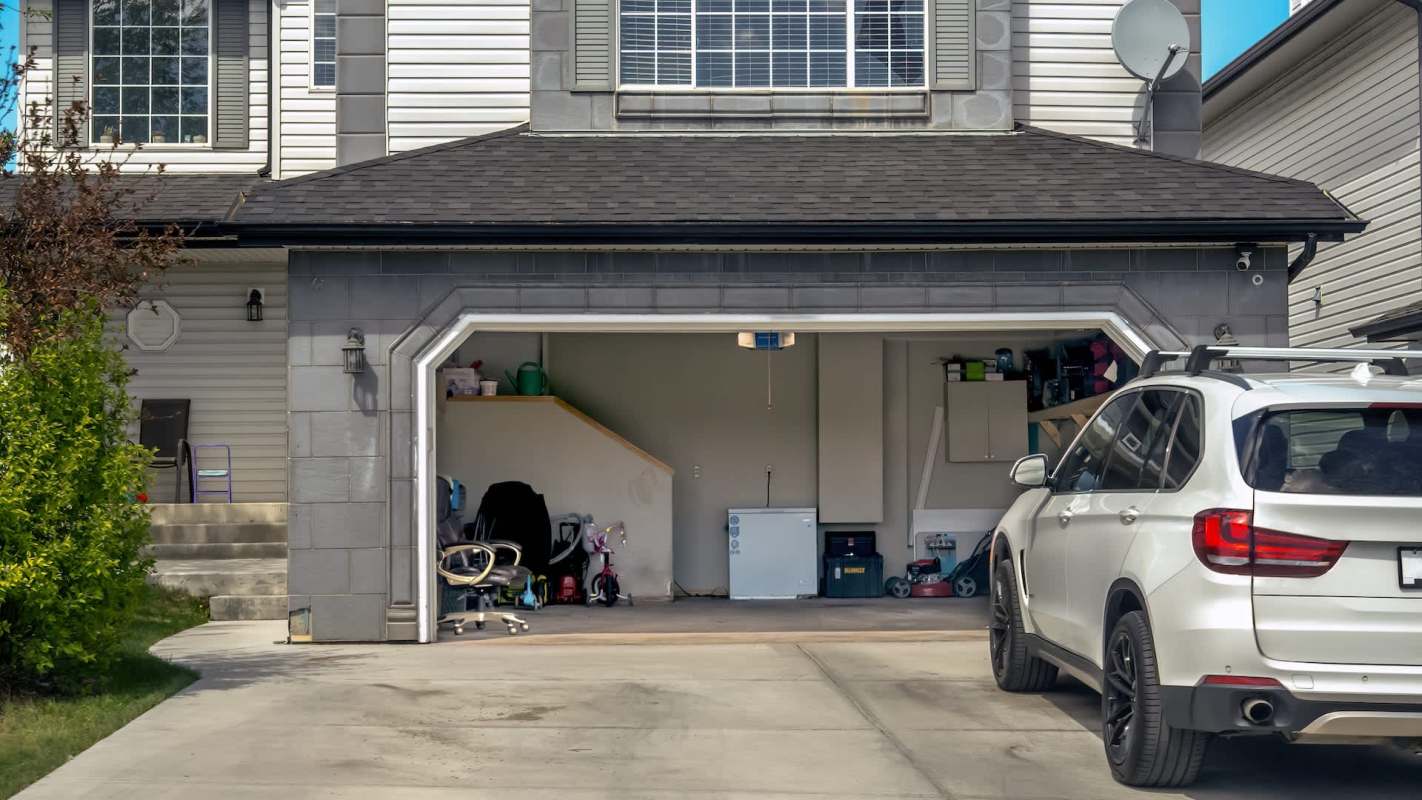
Post-divorce, one woman moved in with her parents and turned their garage into a 150-square-foot casita.
Here's what to know
In a personal essay for Business Insider, contributing writer Camilla Richardson wrote about moving into a small garage conversion at her parents' home after some big life changes.
"It holds a bunk bed, a sofa, a kitchenette, a dresser, and a small bathroom. There's even a little portable island for me to sit at," she wrote. "I've downsized my clothes and cleared out makeup and skincare products I wasn't using. My book collection is harder to cull; I love my books, and haven't figured out what to do about that yet."
Going through a painful time, she is grateful for her parents' support, which comes in the form of a 10 x 15-foot casita.
When someone needs space to breathe, emotional backing, and time to decide what comes next, a small affordable home can matter in very practical ways. A converted garage, basement apartment, or backyard unit on family property can provide emotional support and financial relief.
"That means so much more to me than square footage."
TCD Picks » Quince Spotlight
💡These best-sellers from Quince deliver affordable, sustainable luxury for all




More background
Garage conversions and other accessory dwelling units can provide low-cost housing for people dealing with divorce, job loss, or caregiving duties — situations that can strain a budget. Even a tiny living space can reduce rent strain, cut commuting time, and make shared meals, childcare, or household help easier.
Still, arrangements like this don't work for everyone. Some families don't have space or the close relationship necessary to live together, and some converted spaces are neither legal nor comfortable for long-term use. Privacy concerns, zoning rules, and basic building safety all create concerns.
While some people are consciously making the decision to move into tiny homes, modest housing can be instrumental when life becomes complicated.
What can be done?
During a major transition, it may help to treat housing as a temporary tool instead of a permanent choice. Choosing a smaller, cheaper place can preserve money for legal costs, therapy, savings, or simply buy more time to heal and make more calculated decisions.
Before moving in with family, it can also be useful to talk openly about how the arrangement will work. Clear expectations about privacy, rent, chores, guests, and how long the stay might last can keep a supportive setup from turning tense.
Anyone thinking about using a garage conversion or backyard unit for housing should review local regulations, permits, insulation, ventilation, and utility access before assuming the space is ready to live in. Even when the arrangement is informal and within a family, it usually works best when the setup is safe and clearly defined.
Where can I learn more?
These articles look at other non-traditional homes and styles of living.
• Cosmic unveiled sleek prefab tiny homes that recycle water and generate energy off-grid.
• One off-grid homeowner turned to Reddit for advice on solar panels after moving off-grid.
• After two years off-grid, one homeowner dispelled a winter myth about solar power.
• A family built a straw bale homestead to create a healthier home.
• On a Wisconsin farm, a couple created a low-energy home around passive house values.

Get TCD's free newsletters for easy tips, smart advice, and a chance to earn $5,000 toward home upgrades. To see more stories like this one, change your Google preferences here.






