


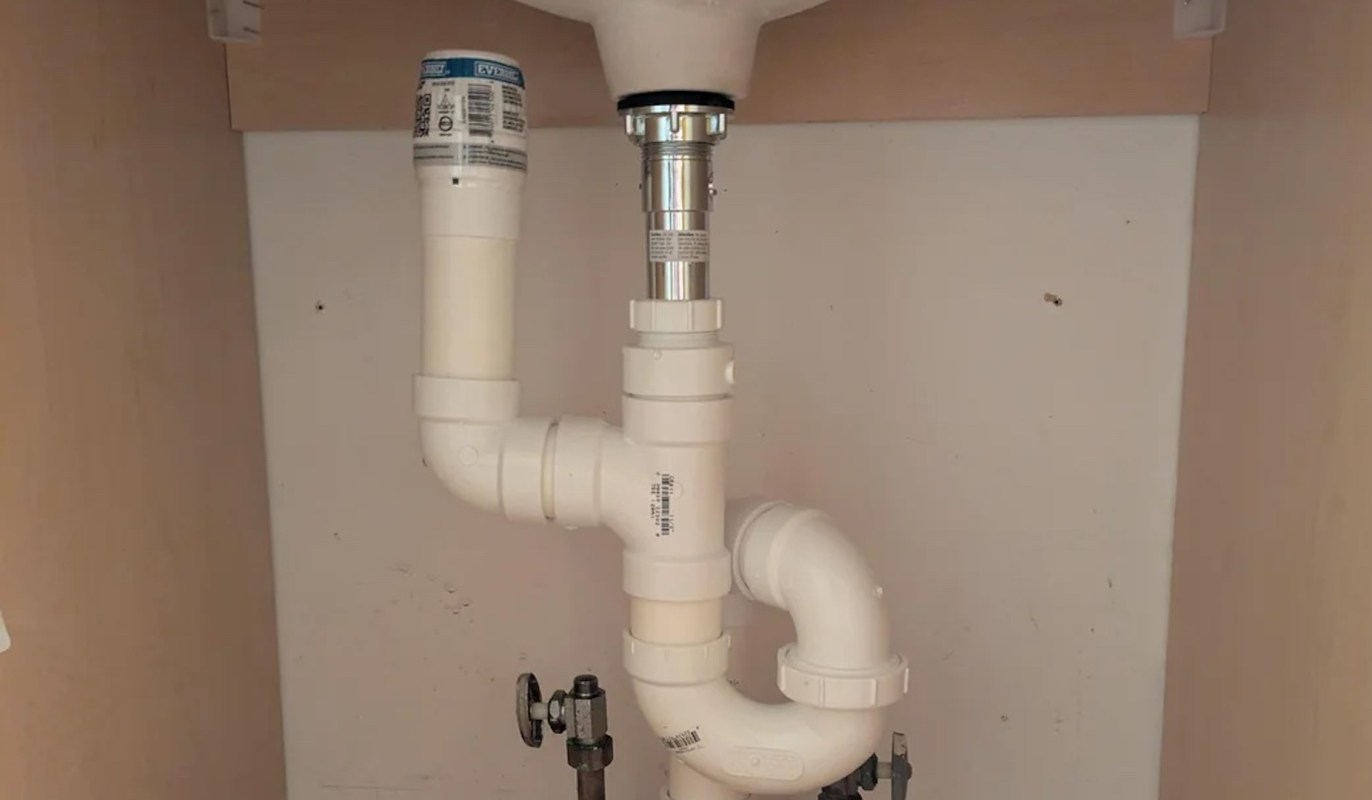
A simple bathroom vanity update turned into a plumbing cautionary tale after users on Reddit's r/Plumbing said the drain assembly shown inside the cabinet was still set up incorrectly.
Here's what to know
The original poster wrote, "We recently replaced our vanity in the bathroom. We then discovered that the piping was illegally done and completely wrong. So my husband attempted to fix it. However, he is not a plumber! How did he do? Could his setup work?"
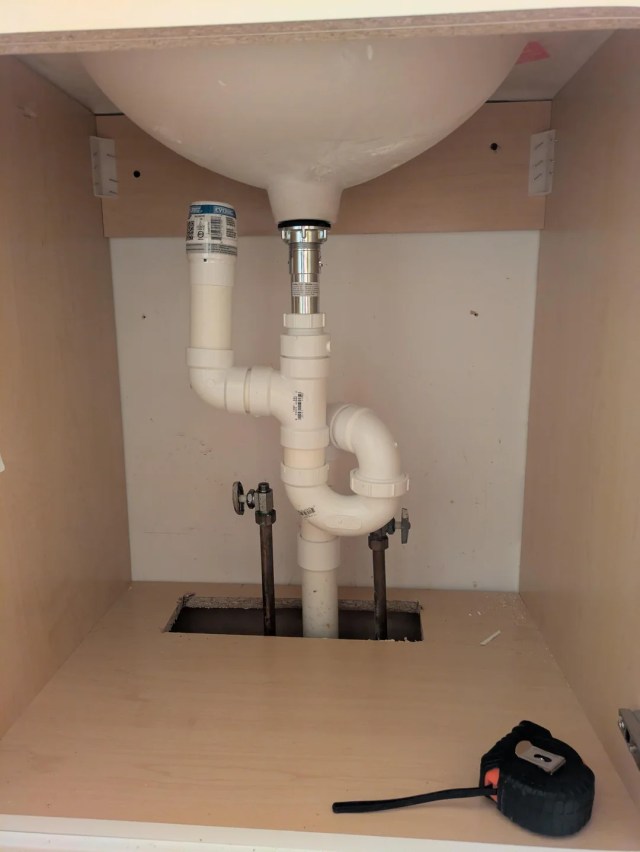
The thread response was largely negative. Multiple commenters said the revised plumbing still did not appear code-compliant because it seemed to create an S-trap and put the vent before, rather than after, the trap.
"Couple of things, he's got an S Trap now which is against code and the vent needs to be after the p-trap," one commenter wrote. "On a positive note, he didn't use any of the accordion style drains."
Another commenter was even more blunt, writing, "Bro went from illegal piping to more illegal piping."
More background
Bathroom vanity swaps are a common DIY project because they can refresh a room without the cost of a full renovation. Doing some of the work yourself can also cut labor expenses.
TCD Picks » Quince Spotlight
💡These best-sellers from Quince deliver affordable, sustainable luxury for all




Drain and vent layouts are one place where a mistake can quickly wipe out those savings. If a trap and vent are arranged incorrectly, homeowners can end up needing the work redone. One commenter joked, "It will make plunging an adventure."
The exchange later focused on what commenters meant by the vent being on the wrong side. When the original poster asked, "Should it be on the right side?" a commenter clarified that "Sides meaning 'sink side' and 'sewer side'. The water goes down the drain, past vent, past trap, sewer. That's the wrong order."
One commenter gave a more technical explanation: "The vent is supposed to be off the pipe that comes up from the ground on the sewer side of the trap. He added air into the system the same way air gets in from the drain. Basically his vent is doing nothing."
What can be done?
Replacing a vanity may sound straightforward, but once drain lines or vents need to be changed, it is worth checking local code requirements before putting everything back together. Even a quick second opinion from a licensed plumber can help prevent a full do-over.
Where can I learn more?
If this vanity redo has you thinking harder about what happens under a sink, these stories take a closer look at similar plumbing problems. They cover bathroom code issues, P-trap basics, and common drain fix mistakes homeowners run into.
• One tenant found a fake bathroom ventilation fan that appeared to dodge building code.
• A plumber showed homeowners how to clean a P-trap before a simple clog became expensive.
• A handyman said the bathroom drain overflow hole was why one sink stayed clogged.

Get TCD's free newsletters for easy tips, smart advice, and a chance to earn $5,000 toward home upgrades. To see more stories like this one, change your Google preferences here.






