


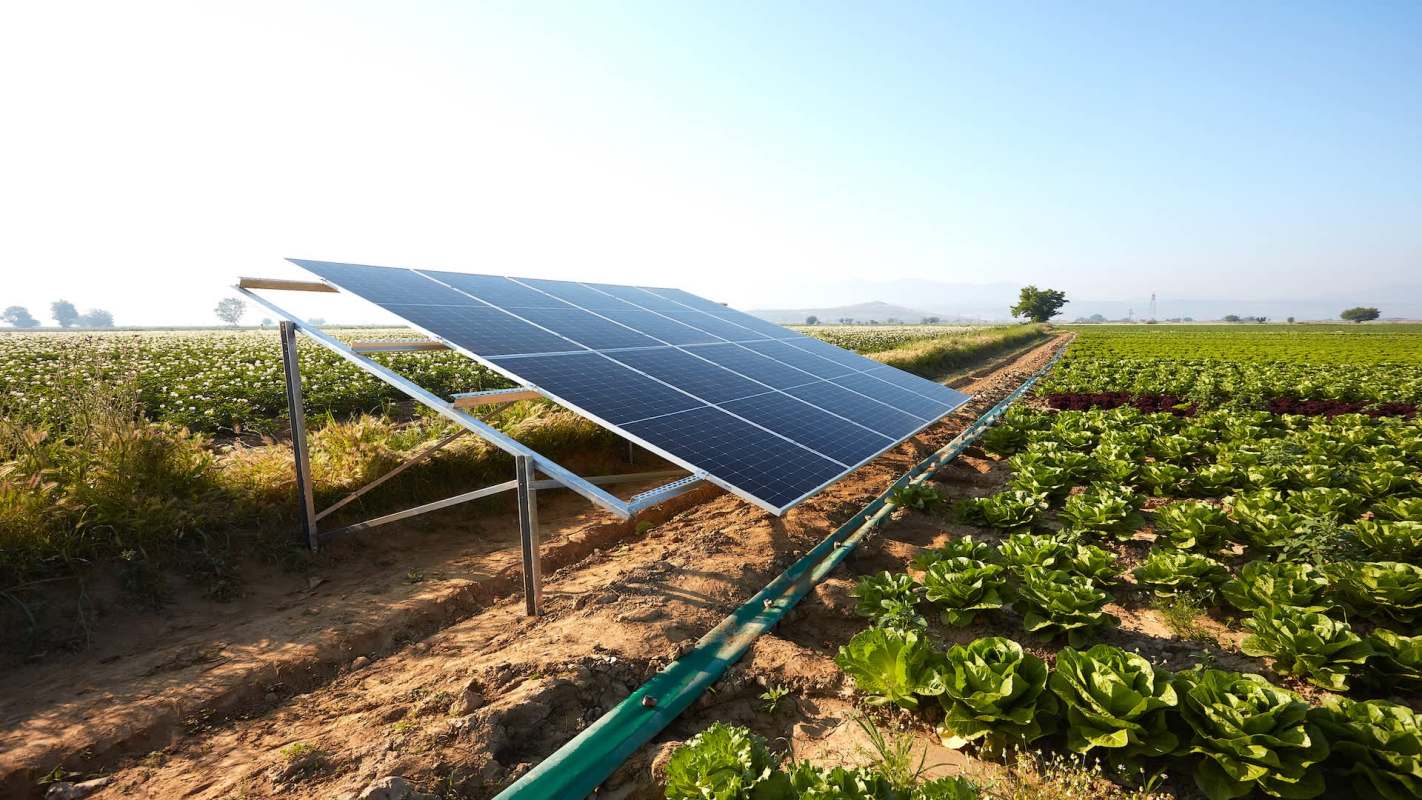
Cecil County, Maryland, is weighing 21 solar projects against the future of its farmland.
Cecil County Office of Land Use and Development Director Stephen O'Connor briefed the Cecil County Council on the projects, which together would generate nearly 90 megawatts of electricity, according to Cecil Daily.
O'Connor told council members that 15 of the projects are still under review after six were resolved and that the arrays would cover 651 acres in total, about 1% of Cecil County farmland.
Here's what to know
The 21 projects range from nearly 14 acres to just over 40 acres, and O'Connor said 18 would be sited in Cecil County's Northern and Southern Agriculture Regions.
That footprint raised concerns among county leaders. Bob Meffley, the County Council vice president, questioned why more projects are not being directed to land that's "not good for anything" and asked, "Why can't we put them there?" Cecil County Council President Al Miller, meanwhile, said those agricultural regions contain prime land and argued that protections for Class 1 soils should remain in place.
The local debate is unfolding alongside a change in state policy. O'Connor said the Renewable Energy Certainty Act, passed during the 2025 Maryland General Assembly session, created a new approval category that, according to Cecil Daily, requires counties to allow certain solar projects larger than 1 megawatt and up to 2 megawatts even when local zoning would say otherwise.
The use of solar panels on roofing has far fewer skeptics, so much so that even many gas stations do it to save money, as it's one of the best ways to cut and even eliminate energy bills. Homeowners who want to explore rooftop options can try resources like EnergySage to get free solar installation estimates and compare quotes.
More background
In Miller's view, that state law supersedes Cecil County's protections for prime agricultural soils, including its rules for Class 1 soils, which have become a flashpoint in places where farming remains important both economically and culturally.
Save $10,000 on solar panels without even sharing your phone number Want to go solar but not sure who to trust? EnergySage has your back with free and transparent quotes from fully vetted providers that can help you save as much as $10k on installation. To get started, just answer a few questions about your home — no phone number required. Within a day or two, EnergySage will email you the best local options for your needs, and their expert advisers can help you compare quotes and pick a winner. |

Questions also came up about what happens over the full life of these projects. After Cecil County Councilwoman Donna Culberson asked how long solar installations typically last and what happens when the panels reach the end of their useful life, O'Connor said the standard lifespan is 25 to 30 years.
He added that Maryland doesn't currently require solar panels to be recycled, so they would probably end up in landfills unless policy changes, according to Cecil Daily.
What's being done?
To avoid leaving taxpayers with cleanup costs if a company goes bankrupt or otherwise abandons a site, Cecil requires solar projects to post a performance bond upfront, O'Connor said, and the county also requires regular soil testing.
The county is also collecting an impact fee from solar companies, with that money going directly to land preservation. Miller, meanwhile, has pushed for more solar development on rooftops, parking lots, and other already built spaces instead of productive farmland.
More From EnergySage
💡Go deep on the latest news and trends shaping the residential solar landscape
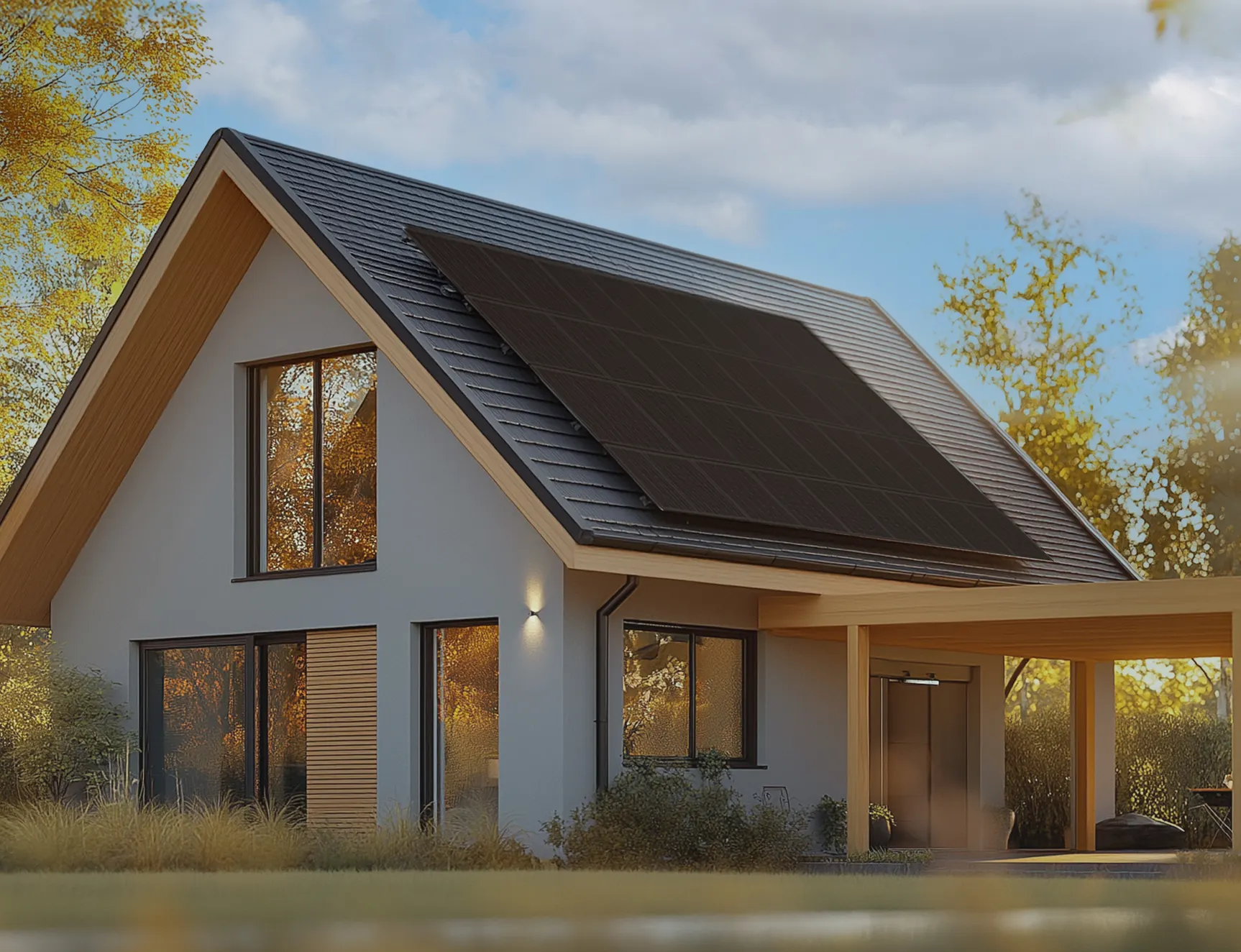
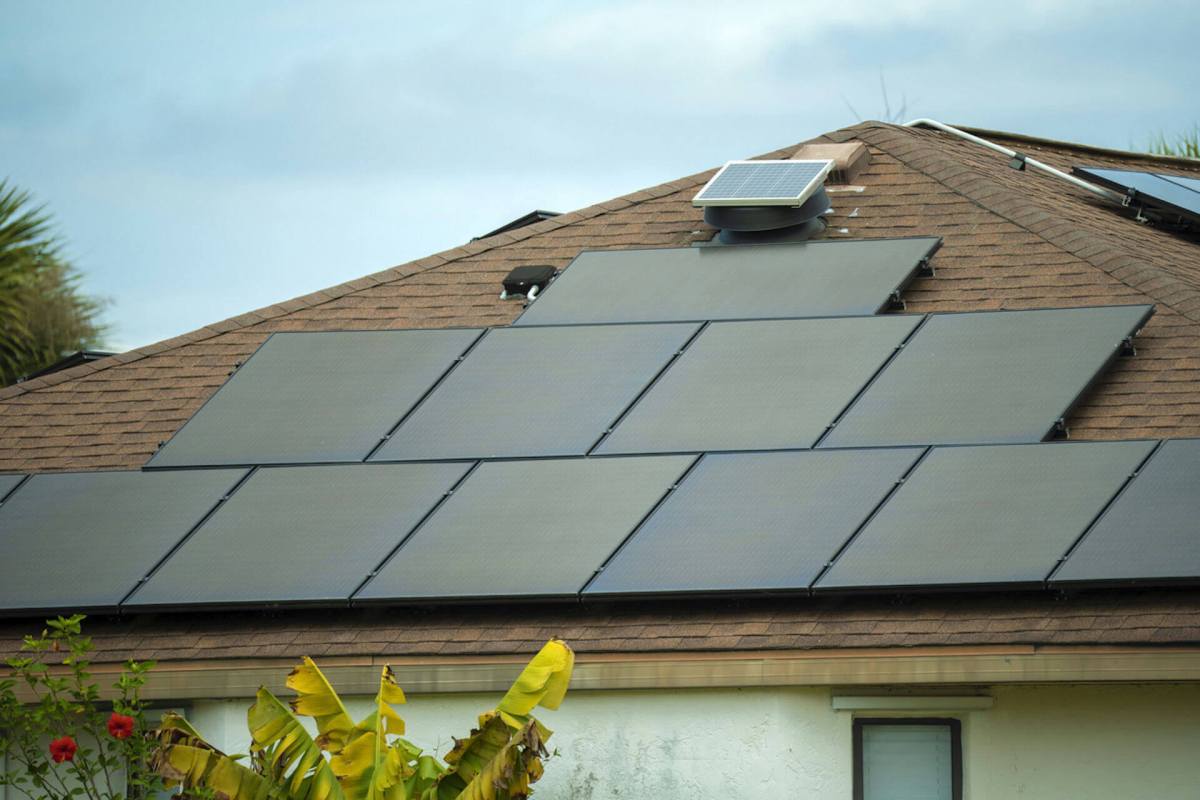
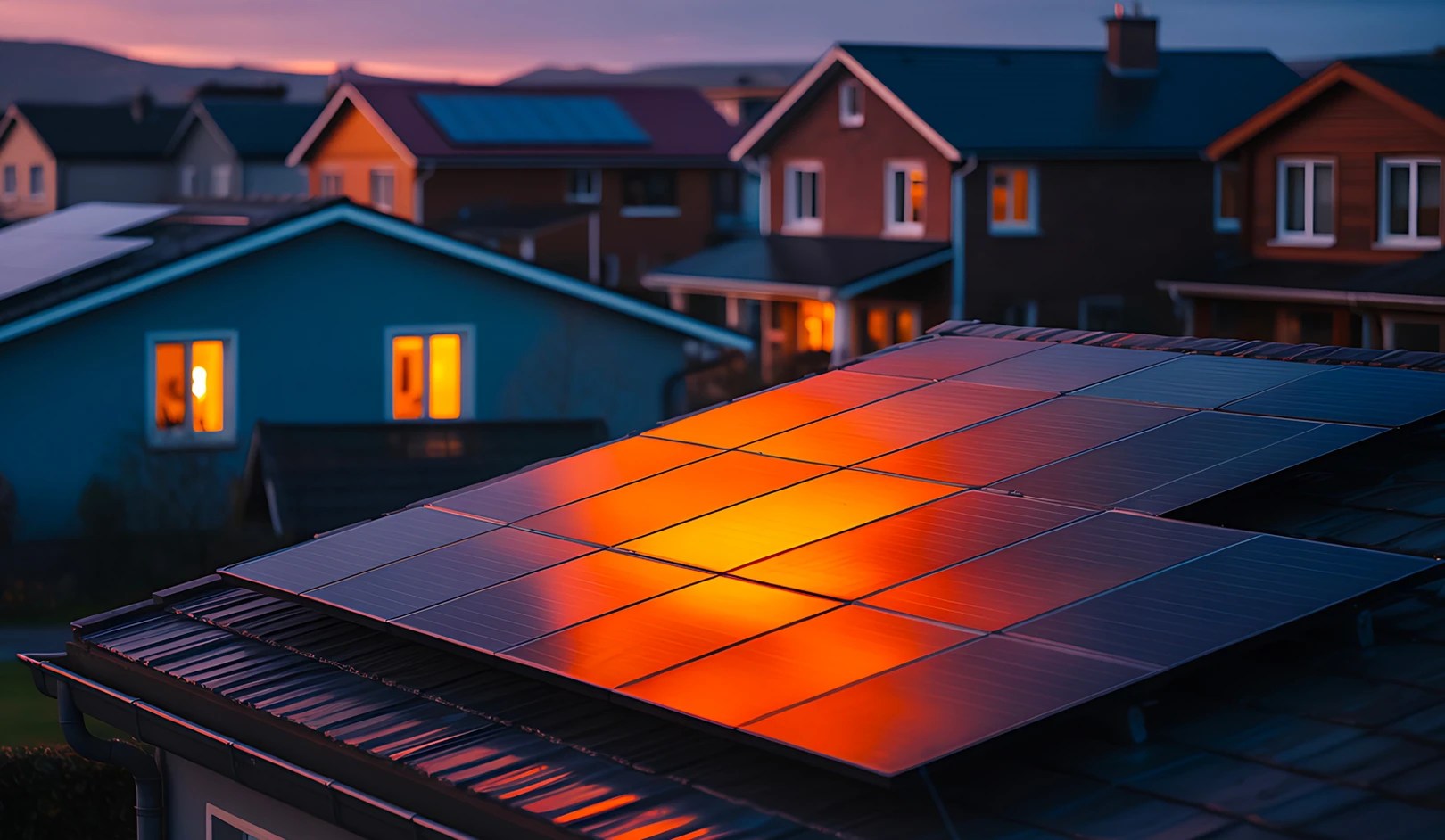

For homeowners considering rooftop solar, EnergySage can also be a useful planning tool. With EnergySage's help, the average person can save up to $10,000 on solar purchases and installations. EnergySage's solar map shows the average cost of a home solar panel system by state, along with solar panel incentives for each state, which can help homeowners find the best price for rooftop solar panels and access available incentives.
Adding battery storage to a solar setup is one of the best ways to protect your home during outages, save on energy costs, and go off-grid. Homeowners can also explore EnergySage for information about home battery storage options, including competitive installation estimates.
As O'Connor put it, "If a solar company no longer exists or walks away from a project, we hold a bond to clean it up ourselves" when the panels reach the end of their use.
Where can I learn more?
Elsewhere, local officials are wrestling with many of the same questions about solar, farmland, and who gets the final say. The articles below look at county approvals, legal fights over siting authority, and one solar design that keeps agricultural land in use.
• In Patrick County, officials approved a controversial million-dollar solar farm after hours of debate.
• In Oregon's Willamette Valley, farmland and wetlands remain at issue as a huge solar project moves forward.
• In Douglas County, Kansas, commissioners approved a solar farm after a multi-hour public deliberation.
• In Texas, the attorney general blocks counties from banning new solar sites outright.
• In Vermont, a company built solar power technology that preserves land for farming.

Get TCD's free newsletters for easy tips, smart advice, and a chance to earn $5,000 toward home upgrades. To see more stories like this one, change your Google preferences here.






