


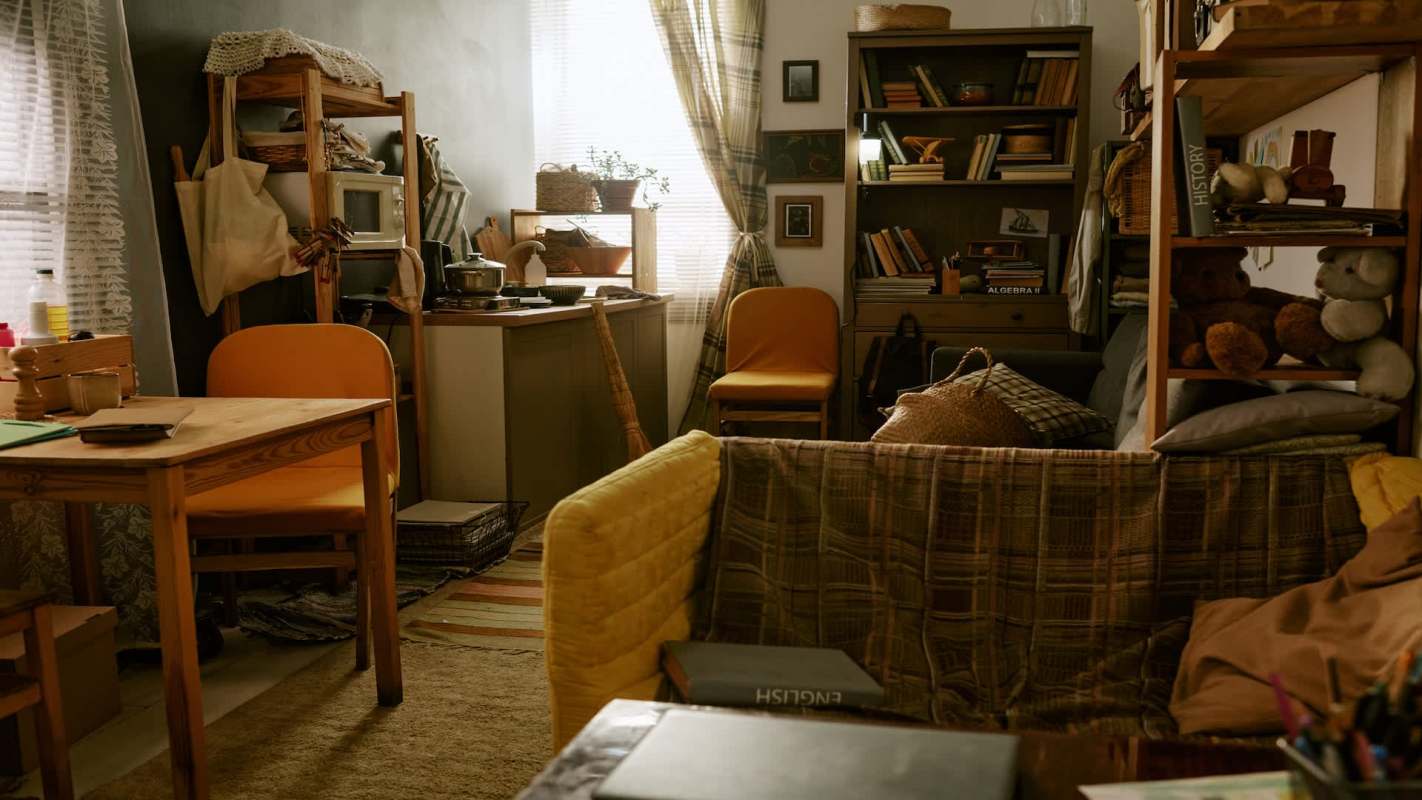
After a parent dies, the job of emptying a home can make even ordinary possessions feel impossible to judge. In Sydney, one family's experience shows how grief can collide with rooms full of useful things when a house has to be cleared.
Here's what to know
The Guardian reported how Sydney resident Ellen Rogers described sorting through the Camperdown terrace where her mother, Fay, had lived her whole life and died in May at 97.
"It's overwhelming — there's so much," she said of facing decades of cards and clothing alongside deeply personal keepsakes.
The issue is becoming more common as deaths among the Silent Generation have risen 20% in the country, leaving more adult children to deal with homes filled over many years by those born before 1945.
For families in mourning, that can mean a second painful task: deciding what to reuse, donate, recycle, sell, or send to a landfill. What might look like clutter to someone else can feel like a record of a loved one's life.
More background
According to those interviewed by the newspaper, the work is not shared evenly, and people doing it described the process as "wrenching" and "grueling."
TCD Picks » Quince Spotlight
💡These best-sellers from Quince deliver affordable, sustainable luxury for all




Anne, who asked to be identified only by her first name, did not want to simply throw everything into a trash bin. "The Earth's too fragile," she told The Guardian. Instead, she arranged to recycle more than 100 X-rays so their silver and PET plastic could be recovered, and she found a charity that would take old spectacles.
Kathy, a former Sydney public servant who asked that her real name not be used, said that while she thought it would be simple to deal with her late mother's belongings, "It just isn't."
What can be done?
Instead of working room by room, families may find it easier to sort by purpose. A practical first step is to pull out irreplaceable things — letters, photographs, heirlooms, and anything relatives have specifically asked for — and then divide the rest into donations, recycling, resale, and trash.
It can also help to look past the landfill. Specialty recyclers, charity shops, vintage buyers, and community groups may accept items that seem unusual or too dated for standard resale. Even if not everything can be rehomed, those routes can keep usable goods in circulation.
Adrienne, a Melbourne resident whose mother died in 2022 and asked to be identified only by her first name, said she later regretted being too forceful during a "Swedish death clean," after coming to see that belongings can hold memory, identity, and aspiration.
"I feel like I'm canceling out her life," Rogers told The Guardian. Anne framed her priorities differently but with the same emotional pull, saying, "I'm not really interested in the jewellery or anything expensive, I just want the mementoes."
Where can I learn more?
These articles explore what it's like to sort through homes, keepsakes, and clutter after a relative dies.
• A daughter inherited her late father's hoarder house and faced 10,000 tiny decisions in grief.
• A grandchild spent an emotional week cleaning grandparents' apartment and left newly reflective.
• After days cleaning out grandparents' apartment, one Redditor came away determined to buy less.

Get TCD's free newsletters for easy tips, smart advice, and a chance to earn $5,000 toward home upgrades. To see more stories like this one, change your Google preferences here.






