



An eye-popping utility bill can make it feel like something has gone badly wrong overnight.
One New Jersey homeowner opened a PSE&G statement and saw a total that was close to four figures.
Here's what to know
"We just got our most recent bill, and it was almost $800!!!" the original poster wrote in a Reddit thread on the site's r/newjersey forum.
The OP then asked whether the meter should be checked considering several electric bills above $600 for the two-person, 2,800-square-foot household with modest thermostat settings and occasional EV charging.
"I can't fathom why the bill would be this high!! Anyone else experiencing this? … Any advice here would be most welcome," they said.
Commenters said the likely culprit was the length of the billing period and not a bad meter. "One thing to highlight: PSEG notified us that they've changed meter reading schedules," one said. "So this month's bill is for a 45-day billing period, meaning the bill will look 50% higher than normal on average. Still really annoying."
After reviewing the bill, the OP said that explanation seemed to fit, writing: "This is a really good point that I didn't realize. Our daily usage is consistent based on the new schedule."
Several other people said they had been caught off guard by the same issue. "Yeah, this happened to us. Mild panic attack before we realized it was over a 45-day period," one said.
Save $10,000 on solar panels without even sharing your phone number Want to go solar but not sure who to trust? EnergySage has your back with free and transparent quotes from fully vetted providers that can help you save as much as $10k on installation. To get started, just answer a few questions about your home — no phone number required. Within a day or two, EnergySage will email you the best local options for your needs, and their expert advisers can help you compare quotes and pick a winner. |

What you can do
Before deciding that your meter is faulty or that your power use suddenly shot up, it helps to start with your bill dates. Checking how many days are covered and comparing usage on a per-day basis can make it easy to tell whether daily consumption changed.
After that, homeowners can look at kilowatt-hours used, ask the utility about rate tiers or time-of-use plans, and consider a home energy audit. One commenter suggested calling PSE&G and asking for help identifying inefficiencies in the home.
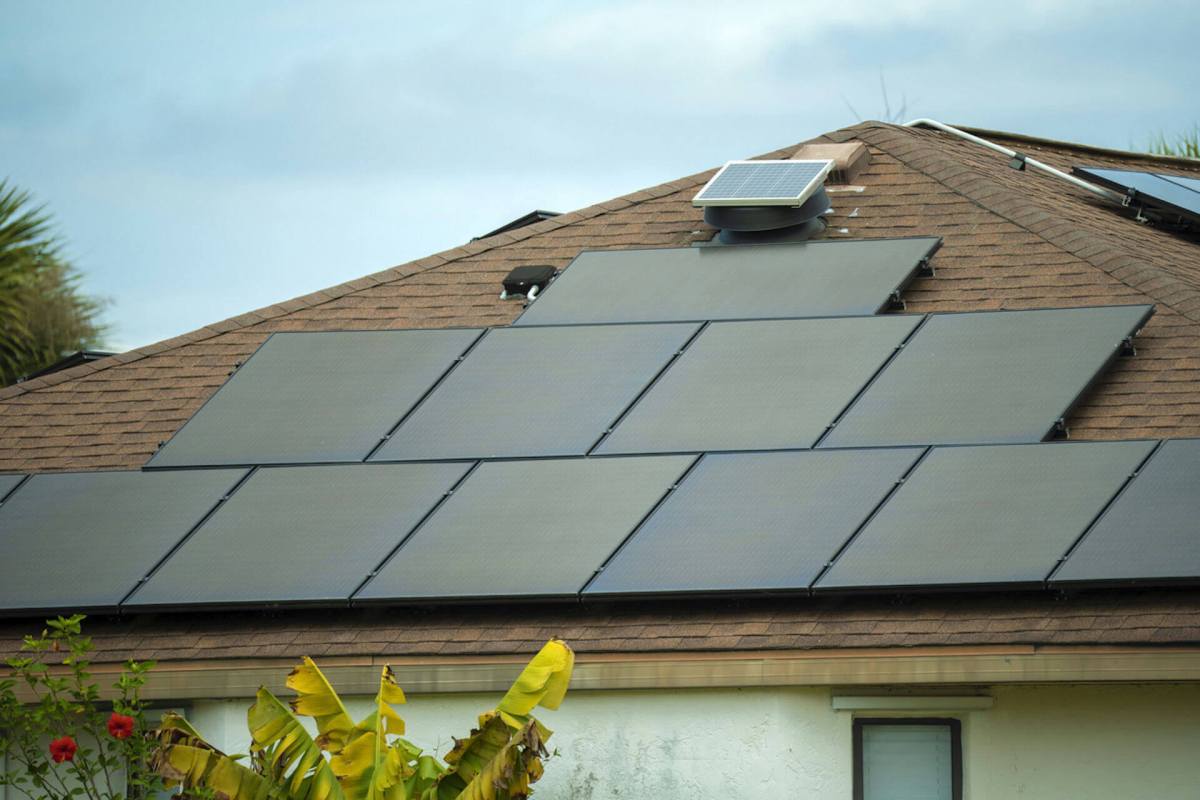
One of the best ways to cut home energy costs over the long run is by going solar. Homeowners who want to explore that option can use EnergySage to get free solar installation estimates and compare quotes.
With EnergySage's help, the average person can save up to $10,000 on a solar purchase and installation. And EnergySage's solar map shows the average cost of a home solar panel system by state along with details on solar panel incentives in each state.
More From EnergySage
💡Go deep on the latest news and trends shaping the residential solar landscape


Homeowners interested in adding battery backups can also explore EnergySage for information about home battery storage options, including competitive installation estimates.
Where can I learn more?
A steep bill can reflect pressures beyond day-to-day household use. These stories look at rising electricity rates in New Jersey and beyond.
• In the Garden State, AI-fueled rates surged even after officials promised electric bill relief.
• Utilities steered billions of dollars into regional transmission projects that critics say inflate customers' electric bills.
• In North Carolina, Duke Energy faced scathing criticism over practices tied to higher rates.

Get TCD's free newsletters for easy tips, smart advice, and a chance to earn $5,000 toward home upgrades. To see more stories like this one, change your Google preferences here.






