


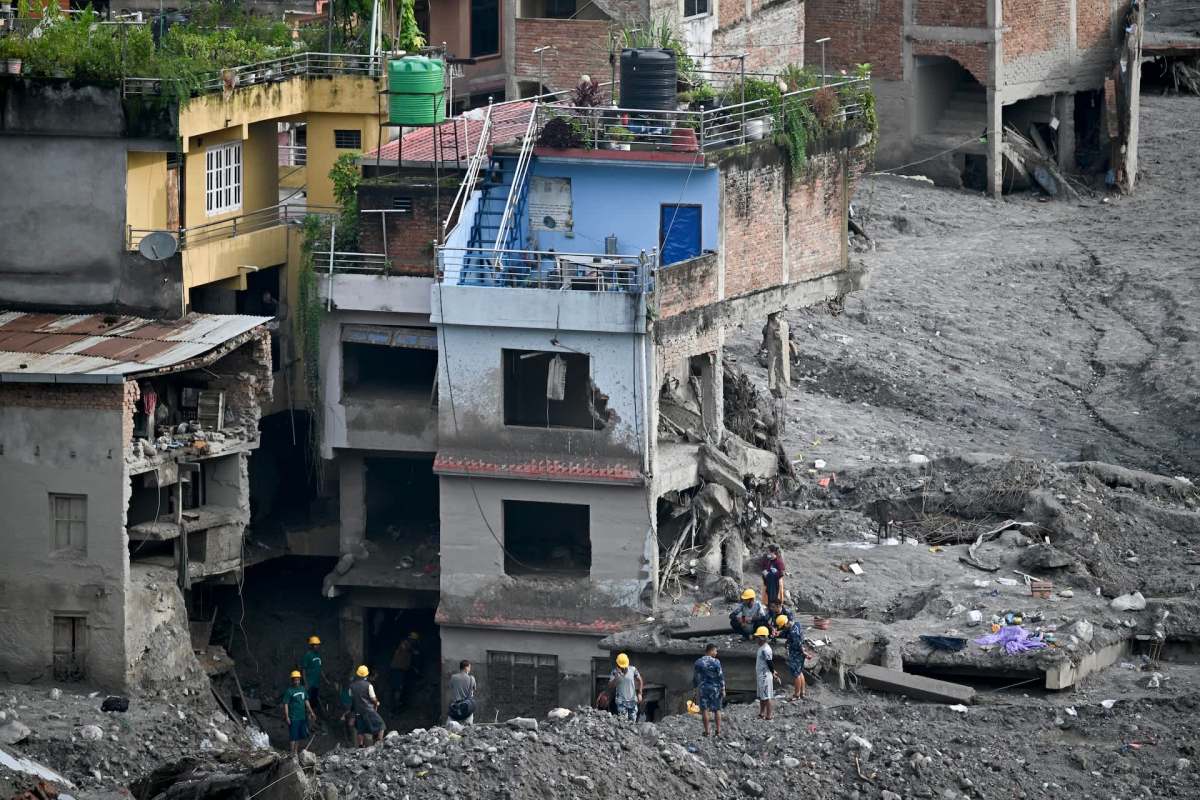
In Nepal's flood recovery zones, some survivors and local relief workers said the devastation did not end when the water receded.
Some of their more recent frustration is aimed at so-called aid influencers accused of turning a human tragedy into content for personal branding and follower growth.
Here's what to know
In a TikTok video report from Al Jazeera English (@aljazeeraenglish), correspondent Nicolas Haque showed a recovery scene where recording what was happening appeared to be more common than physically helping.
@aljazeeraenglish Aid influencers' are being accused of exploiting Nepal flood victims to boost social media followers, as organisations explore new ways to raise awareness and funds for relief efforts. Al Jazeera's Nicolas Haque reports.
♬ original sound - Al Jazeera English
"'Aid influencers' are being accused of exploiting Nepal flood victims to boost social media followers, as organisations explore new ways to raise awareness and funds for relief efforts," the caption said.
Even as recovery continued at a river crossing and some people remained stranded, Haque said many of those nearby were focused on filming the scene instead of assisting with the work.
"Some people call it aid voyeurism," Haque said.
TCD Picks » Quince Spotlight
💡These best-sellers from Quince deliver affordable, sustainable luxury for all




He connected that behavior to broader financial pressure in humanitarian work. Calling it "an industry in crisis," he said organizations struggling to raise funds are turning to social media content in hopes of attracting donations.
That approach, the report said, can leave survivors feeling exploited. Ayoub, the man in charge of a Nepali organization featured in the video, pointed to the problem.
"Some of them come with genuine, genuine heart, but most of them with, like, just for the clicks of the video or the reel," he told Haque.
While some TikTokers took aim at Haque for going to Nepal to tell this story, others pushed back.
"People saying 'u have a camera too' and 'you are doing the same' do not realize the difference between a journalist and an influencer," one wrote.
More background
When disaster survivors feel they are being treated as content, it can erode trust in outside aid and deepen the sense that vulnerable communities are being watched more than supported.
Haque also described frustration with how heavily the area was populated by international aid and media teams. He said the site had drawn the UN, other global organizations, and their crews, but much of that presence did not remain.
"Two weeks on, where have they gone? They've all left," he said, adding that the branding was still visible even though many of the workers were no longer there.
What can be done?
Help should be community-led. Rather than arriving with a camera first, volunteers and donors can ask local groups what is actually needed, whether that means labor, supplies, or financial support directed by people on the ground.
The objection is not to assistance itself, but to exploitation.
"People still need help, but not at the cost of their dignity," Haque declared in the video. "They want support without being somebody else's content."
Where can I learn more?
This isn't the first time outside groups have been accused of profiting off of a disaster or undercutting relief work.
• In the United States, rising insurance premiums and rebuilding costs show disaster response is profitable for some industries.
• In North Carolina, threats and disinformation around FEMA operations after Helene disrupted relief work.

Get TCD's free newsletters for easy tips, smart advice, and a chance to earn $5,000 toward home upgrades. To see more stories like this one, change your Google preferences here.






