


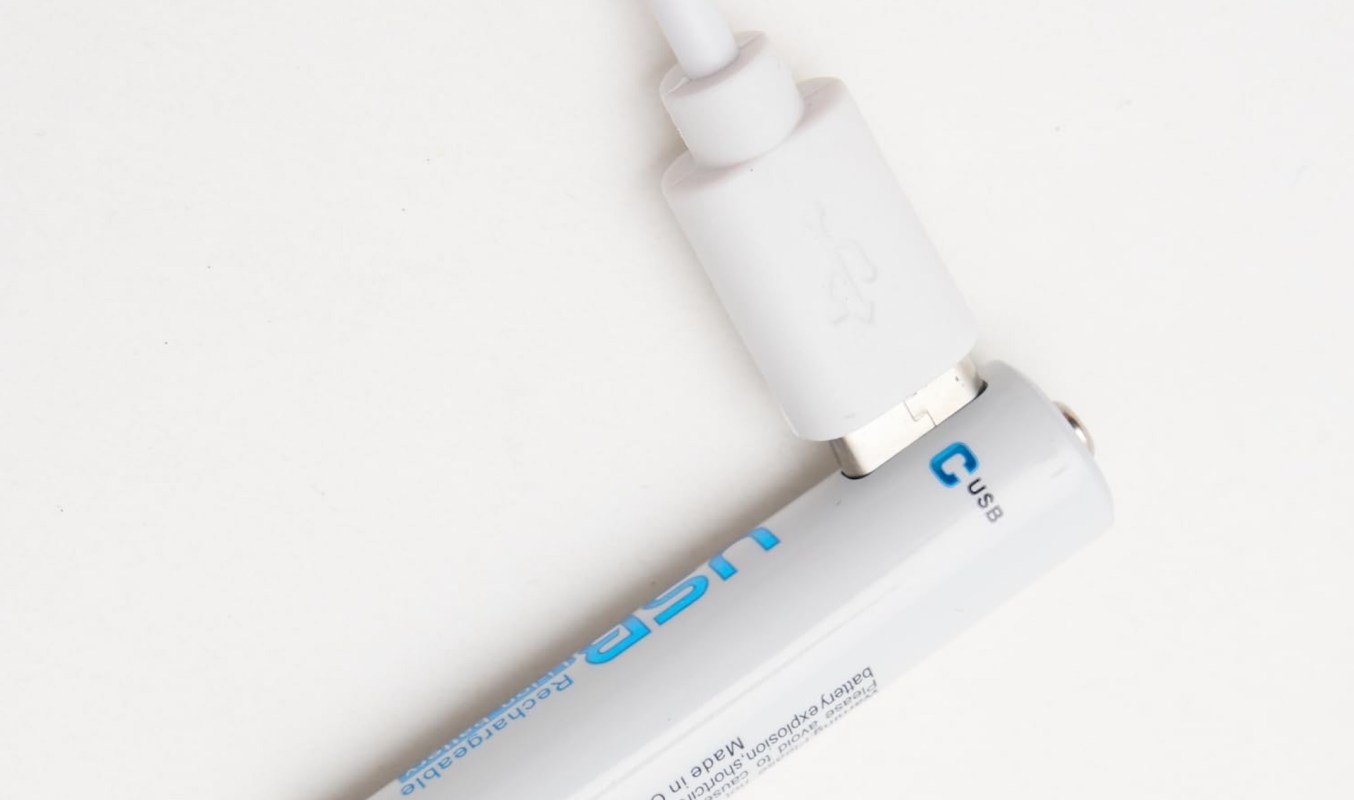
AA batteries are joining a long list of products that can recharge with a USB-C cable, alongside devices like phones, laptops, and headphones.
Despite seeming like a novelty, a teardown indicated that the design has more real-world usefulness than first impressions might suggest.
Here's what to know
According to a hands-on evaluation and disassembly conducted by MakeUseOf, these cells are lithium-ion batteries housed inside AA casings, with onboard circuitry that converts their power to a constant 1.5-volt output.
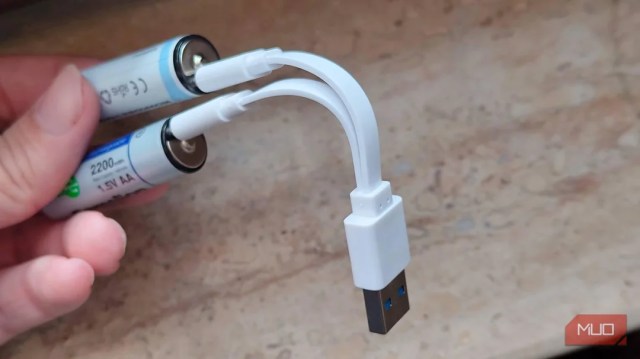
Because the charging hardware is built into the battery, there is no separate dock, and a standard cable plugs in directly.
In testing, that design charged the cells to full in roughly an hour, and their voltage stayed level until it cut off. The teardown also helped clarify a common point of confusion in the marketing.
When a cell is labeled 2200 milliwatt-hours, that figure describes the internal lithium-ion battery before conversion, not the energy a device ultimately gets at 1.5 volts.
TCD Picks » Quince Spotlight
💡These best-sellers from Quince deliver affordable, sustainable luxury for all




The reviewer put the practical output at about 1,400 to 1,500 milliwatt-hours per battery.
Even so, the results were stronger than expected in a headlamp, where a steady output mattered more than the gradual decline typical of other battery types.
More background
For many buyers, the main draw is simply having fewer battery accessories to manage, since USB-C charging cuts out the need for a dedicated charger.
A fixed 1.5 volts can be especially useful in flashlights, headlamps, and similar high-drain equipment.
Alkaline AAs can sometimes run longer, but their voltage falls as they discharge, which often means fading brightness or reduced performance before they are actually empty.
There are limitations, however. The source said nickel-metal hydride batteries are still a better pick when maximum runtime and dependability are priorities. Because the built-in regulator consumes a small amount of power, USB-C lithium AAs are not an ideal match for low-drain products like TV remotes.
The teardown also turned hazardous: the internal cell shorted, overheated, and failed after being opened, suggesting these batteries should not be disassembled.
What can be done?
USB-C rechargeable AAs are probably best suited to frequently used, power-hungry devices such as flashlights and headlamps, where consistent output is valuable.
Their charger-free design could also make rechargeables easier to adopt for households that don't want yet another piece of gear to store and track.
The appeal centered on ease of use and steady delivery, rather than beating every other rechargeable battery in overall endurance.
"In short: they're not a scam — just a clever repackaging of lithium cells with a voltage regulator," the MakeUseOf reviewer concluded.
Just as importantly, they added, "These batteries are better than I expected."
Where can I learn more?
Explore more stories about rechargeable household batteries, lithium-ion chemistry, and lower-cost battery designs.
• Pale Blue turned a common household battery into a USB-rechargeable staple for everyday electronics.
• Scientists found a way to break down toxic battery chemicals lingering in products.
• Researchers built an extremely cheap battery that stayed effective after 8,000 charge cycles.

Get TCD's free newsletters for easy tips, smart advice, and a chance to earn $5,000 toward home upgrades. To see more stories like this one, change your Google preferences here.






