


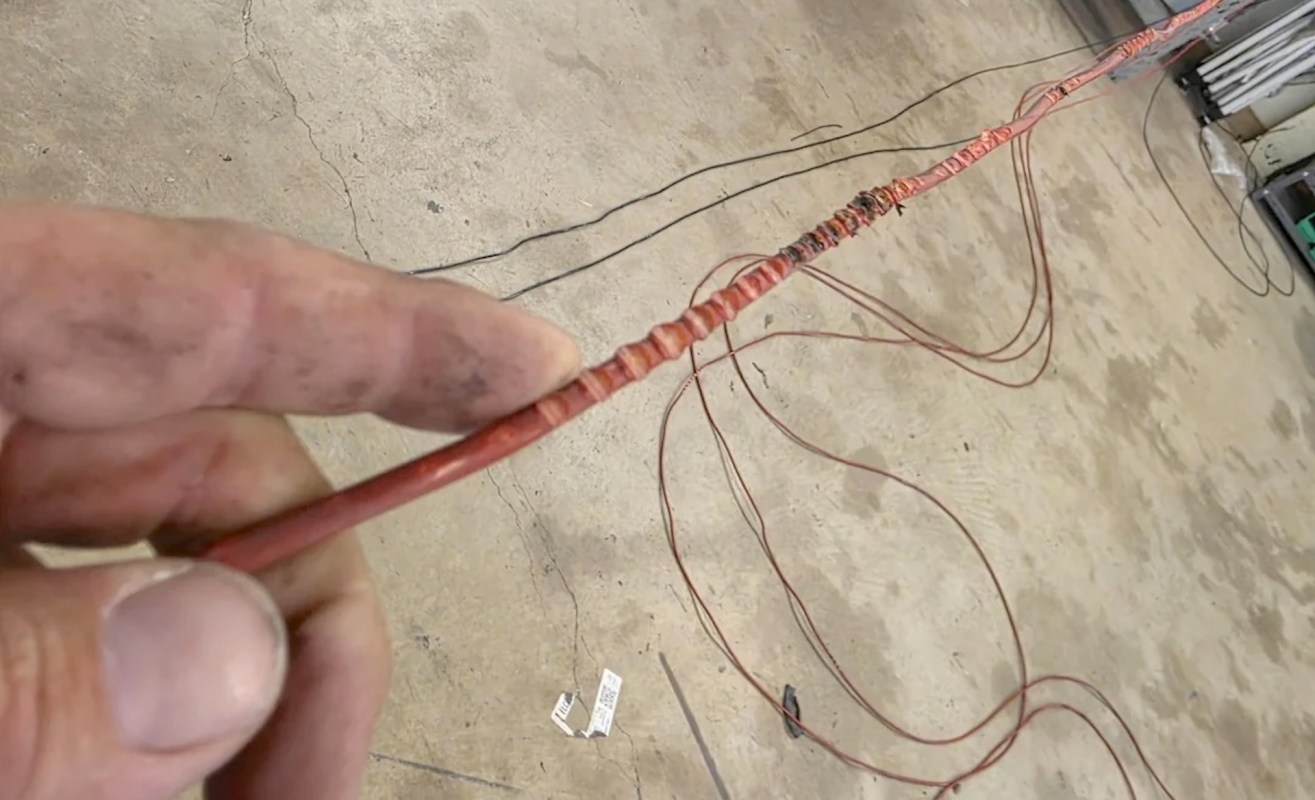
A cautionary Reddit post is spotlighting wiring mistakes as one of the biggest risks in home solar projects because they can turn money-saving equipment into serious fire hazards. An installer in the r/solarDIY subreddit described finding No. 10 AWG wire fused to flexible metal conduit in a homeowner's attic after a DIY solar run appears to have been overloaded.
Here's what to know
The original poster wrote: "It took a bit of work to even tug this #10 AWG from the metallic flex it was fused to. The homeowner had this run inside of the attic."
Solar wiring is not as simple as connecting panels and inverters. When strings are combined in parallel, current adds up, and if the conductors, overcurrent protection, or conduit fill are not designed properly, the result can be dangerous overheating.
For homeowners looking to lower their utility bills without taking that kind of risk, going solar is one of the best ways to save money on home energy. Trying EnergySage can make that easier by letting you get free solar installation estimates and compare quotes.
More background
Attics are already tough environments for electrical equipment because temperatures can climb well above outdoor conditions. That extra heat reduces the margin for error, meaning a wiring mistake that might go unnoticed elsewhere can become much more serious in that space.
Solar can slash monthly power bills over time, but poor electrical design can cause equipment damage, failed inspections, costly rework, or, in a worst-case scenario, fire damage that wipes out any savings.
Rooftop solar is often a smart financial move, but only when the system is designed and installed safely. Tasks such as sizing conductors, combining strings, selecting breakers, and routing cable through conduit are not minor details — they determine whether a system will perform safely for years.
What can be done?
For DIYers, the most practical step is to slow down and get expert help before energizing anything they are not fully confident about. That can mean reviewing plans with a licensed electrician or solar professional, checking local code requirements, and making sure wire size, conduit, disconnects, and overcurrent protection all match the system's actual current.
Save $10,000 on solar panels without even sharing your phone number Want to go solar but not sure who to trust? EnergySage has your back with free and transparent quotes from fully vetted providers that can help you save as much as $10k on installation. To get started, just answer a few questions about your home — no phone number required. Within a day or two, EnergySage will email you the best local options for your needs, and their expert advisers can help you compare quotes and pick a winner. |

If you're considering rooftop solar, EnergySage can also help take some of the guesswork out of the buying process. With EnergySage's help, the average person can save up to $10,000 on solar purchases and installations.
Tools such as EnergySage's solar map show the average cost of a home solar panel system state by state, along with details on solar panel incentives for each state. Together, these resources can help homeowners get the best price for rooftop solar panels and access available incentives.
Adding battery storage to a solar setup is one of the best ways to protect your home during outages, save money on energy, and go off-grid. Homeowners can explore EnergySage for information about home battery storage options, including competitive installation estimates.
The original poster boiled the point down to this: "I'm all for DIY, but please ask for help when you aren't certain."
More From EnergySage
💡Go deep on the latest news and trends shaping the residential solar landscape



Get TCD's free newsletters for easy tips, smart advice, and a chance to earn $5,000 toward home upgrades. To see more stories like this one, change your Google preferences here.






