


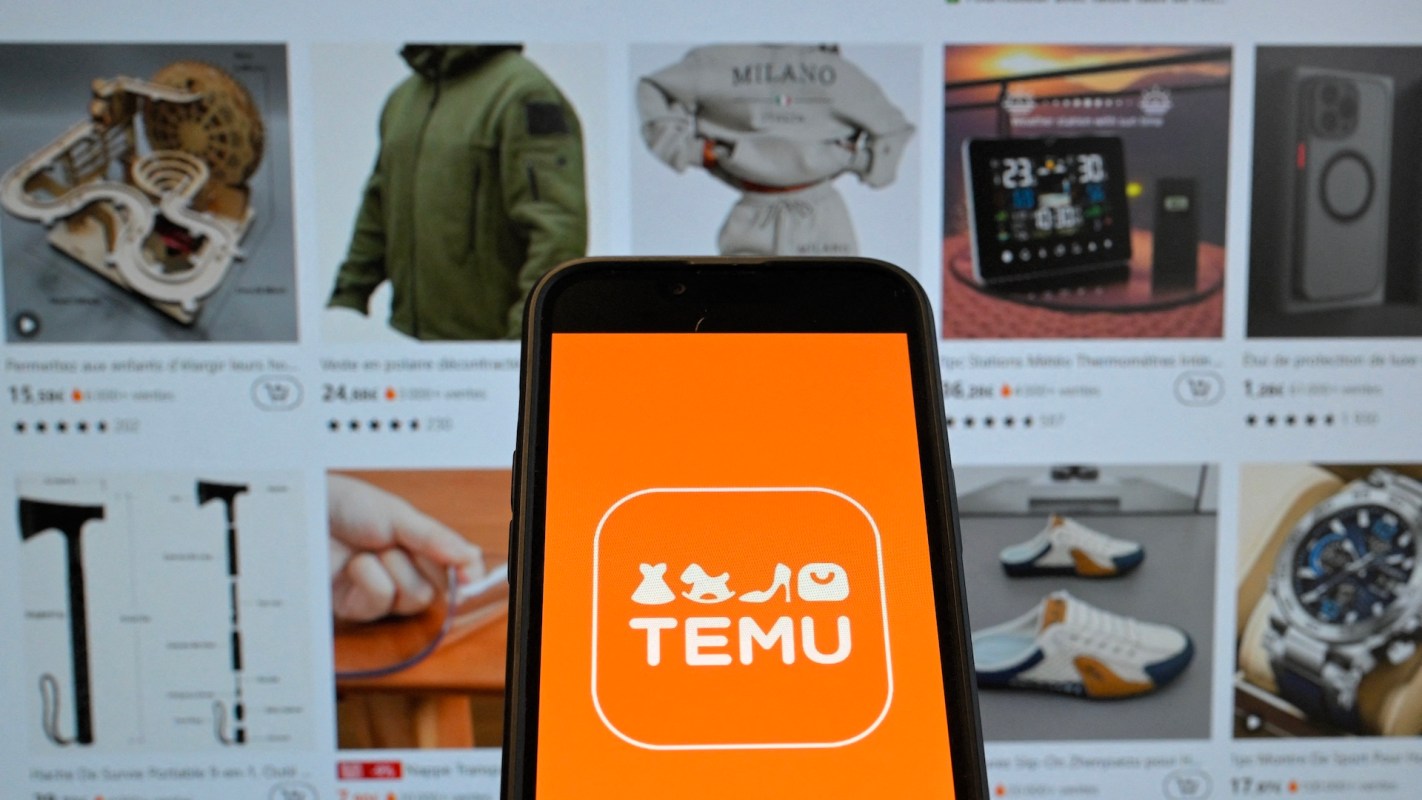
A Sydney clothing label said thousands of knockoff shirts appeared on Temu — the result, its founder believes, of an AI-enabled scrape of the company's website.
This scrape is part of a growing concern for small brands facing copycats: When automated systems pull in creative work that's then sold back at scale, who benefits?
Here's what to know
Speaking to The Guardian, Lonely Kids Club founder Warwick Levy said it was "brutal" to find identical versions of his designs on Temu. He said he identified thousands of ripoff listings published between 2025 and early 2026.
His view is that an AI tool may have copied the entire company website.
"We have a catalogue of 4,000 products … all of those products were there with our exact item descriptions, our exact brand name, like everything, even our exact mock-ups that we've created and our own product photography that we've taken," he said.
Levy's experience points to how difficult copyright can be for smaller businesses to enforce, even though Australian law automatically protects original work. He said a trademark complaint was more effective because sellers had used the "Lonely Kids Club" name in their listings.
TCD Picks » Quince Spotlight
💡These best-sellers from Quince deliver affordable, sustainable luxury for all




All of this is happening as the Australian government considers giving AI companies wider access to Australians' content, which Levy says would be "devastating" for creators.
More background
Lonely Kids Club does not use generative AI in its own designs, Levy told The Guardian. He said he still thinks AI may have played a role in reproducing his catalog at that scale.
What's being done?
After encountering what he described as repeated "roadblocks," Levy said he pushed Temu to improve its process for handling intellectual property complaints. He said standard reporting forms kept failing or closing, and direct emails "got nowhere."
Temu said the listings were removed after Lonely Kids Club used the company's IP Protection Portal.
"We have promptly removed the listings in question following Lonely Kids Club's reports through our IP Protection Portal, and have added the brand's works to our IP Protection database for ongoing monitoring," a spokesperson said, per The Guardian.
It added that sellers who breach its intellectual property policies can have listings removed, accounts suspended, or be permanently banned.
For Levy, trademark protection tied to the business name resulted in most of the listings being taken down.
"It's pretty gut-wrenching to see that your work is now making so much money for other people that you don't know, [who have] just stolen your work," Levy said.
"We take swift action to address any potential infringements once they are identified," Temu said.
Where can I learn more?
These articles look at Temu lawsuits, fast-fashion controversies, and the use of AI in clothing marketing.
• Brandy Melville sued Temu over alleged counterfeits flooding the market as copycat concerns spread.
• A lawsuit against Temu raised red flags over the controversial platform and its practices.
• Internet users mocked SHEIN after an ironic advertisement intensified scrutiny of fast fashion.
• A shopper called out a misleading label on a fast-fashion item as "vintage" claims kept slipping.
• Mango faced backlash after replacing human models with AI in clothing campaigns.

Get TCD's free newsletters for easy tips, smart advice, and a chance to earn $5,000 toward home upgrades. To see more stories like this one, change your Google preferences here.






