


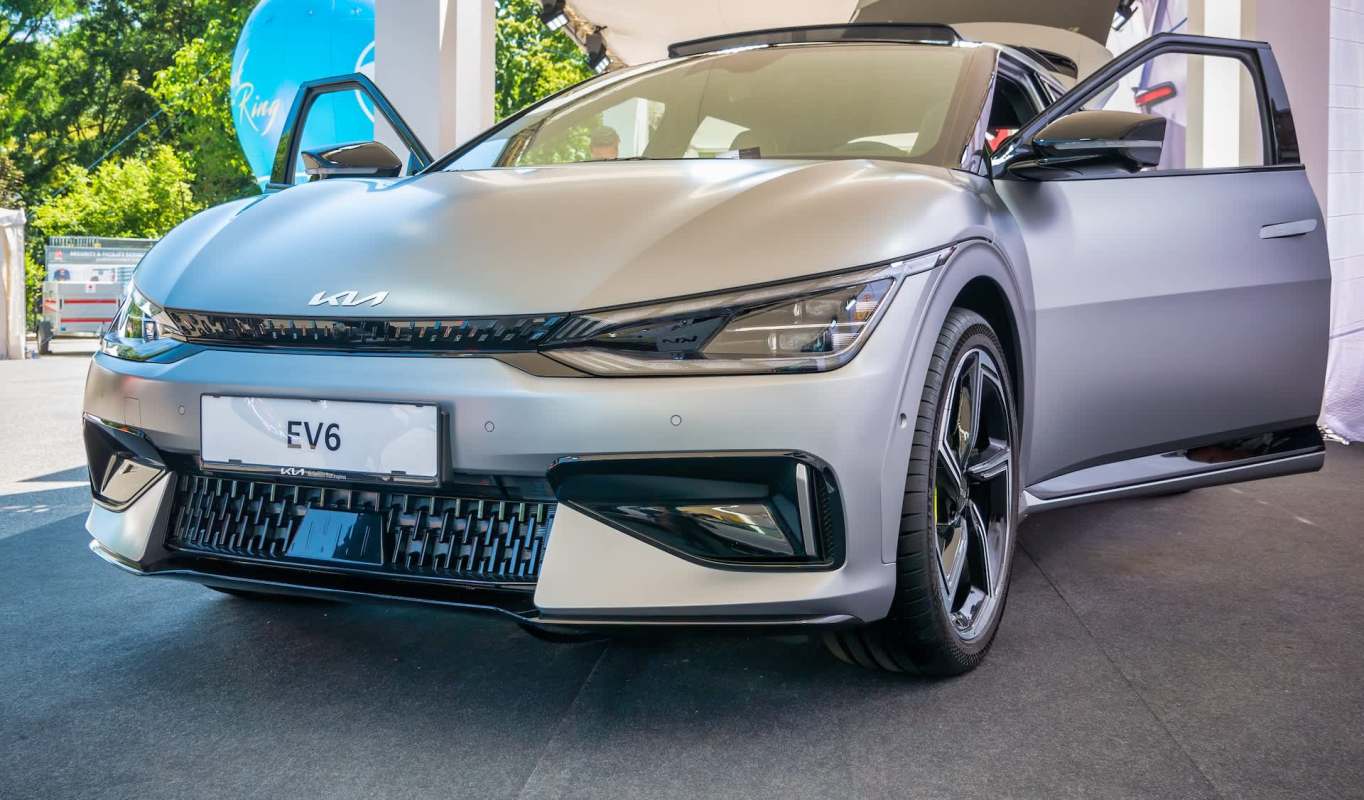
For drivers worried about what their next trip to the gas station could cost, an electric vehicle can start to look less like a luxury and more like a practical way to lower monthly expenses.
That was exactly the calculation one driver was making on the r/Futurology subreddit, as they considered both gas prices and vehicle costs.
Here's what to know
A Midwest Reddit user laid out that decision in a Reddit thread.
"Hey, I am based in the United States in the Midwest," they wrote. "Right now I am running a V6 all gas vehicle and I've been looking at some of the new/two year old Kia electric options."
They also said they were concerned about "gas pricing and affordability in new vehicles."
A recurring theme in the replies was the low cost of charging at home.
TCD Picks » Quince Spotlight
💡These best-sellers from Quince deliver affordable, sustainable luxury for all




"I bought an EV a few months ago and haven't looked back," a user wrote. "It's a better experience in almost every way. Costs me pennies to charge at home overnight. You won't regret it!"
Longtime owners also highlighted maintenance savings.
"I've had an electric car for 12 years," a user shared. "No oil changes, no gas, no problem. I haven't even needed brake pad changes cause the regenerative braking takes care of slowing the car down."
More background
Home charging became part of the discussion after the original poster said they had a "50 amp outlet in my garage so I'm ready to go."
Another Redditor cautioned them against that plan.
"If you do get an EV, replace that outlet with an EV rated one," a commenter warned. "Most 50amp outlets are not designed for long loads."
Some commenters said faster charging equipment is useful, but not always required. One noted that reducing the charging rate can still provide enough power overnight, while another said even a standard household outlet can cover a substantial amount of everyday driving before a quicker charger becomes necessary.
For several EV owners, the cost comparison was the strongest selling point. One commenter said that over 48,000 miles, they had spent "$3023 dollars charging" and were "pretty happy with 6 cents a mile."
Another said their charging costs worked out to "gasoline at $1.08 / gallon." A third joked that while a friend had spent $300 on gas in one week, they had spent "300 bucks ... on my first 15k miles."
One F-150 Lightning owner said home charging handled "over 95%" of their needs and that the truck had powered their house three times, keeping a sump pump and refrigerators running.
What can be done?
Among the suggestions from commenters was to try an EV before making a decision. Several encouraged the original poster to take one for a test drive, and one recommended renting an EV for a few days to see how it fits into normal life.
If a garage already has a 50-amp outlet, it may be worth asking an electrician to confirm whether the setup is suitable for sustained EV charging or whether a hardwired charger would be the better option.
Charging at home during overnight off-peak hours, as one commenter noted, can further improve the savings for drivers who plug in consistently.
Where can I learn more?
If rising gas prices have you thinking along the same lines, there is plenty of evidence that home charging can make an EV a money-saving move.
• Across the U.S., home EV charging costs about 5 to 6 cents a mile.
• For many drivers, EV ownership costs undercut gas vehicles long before fuel savings peak.
• In garages with existing outlets, a Level 2 charger often makes overnight charging easier.

Get TCD's free newsletters for easy tips, smart advice, and a chance to earn $5,000 toward home upgrades. To see more stories like this one, change your Google preferences here.






