


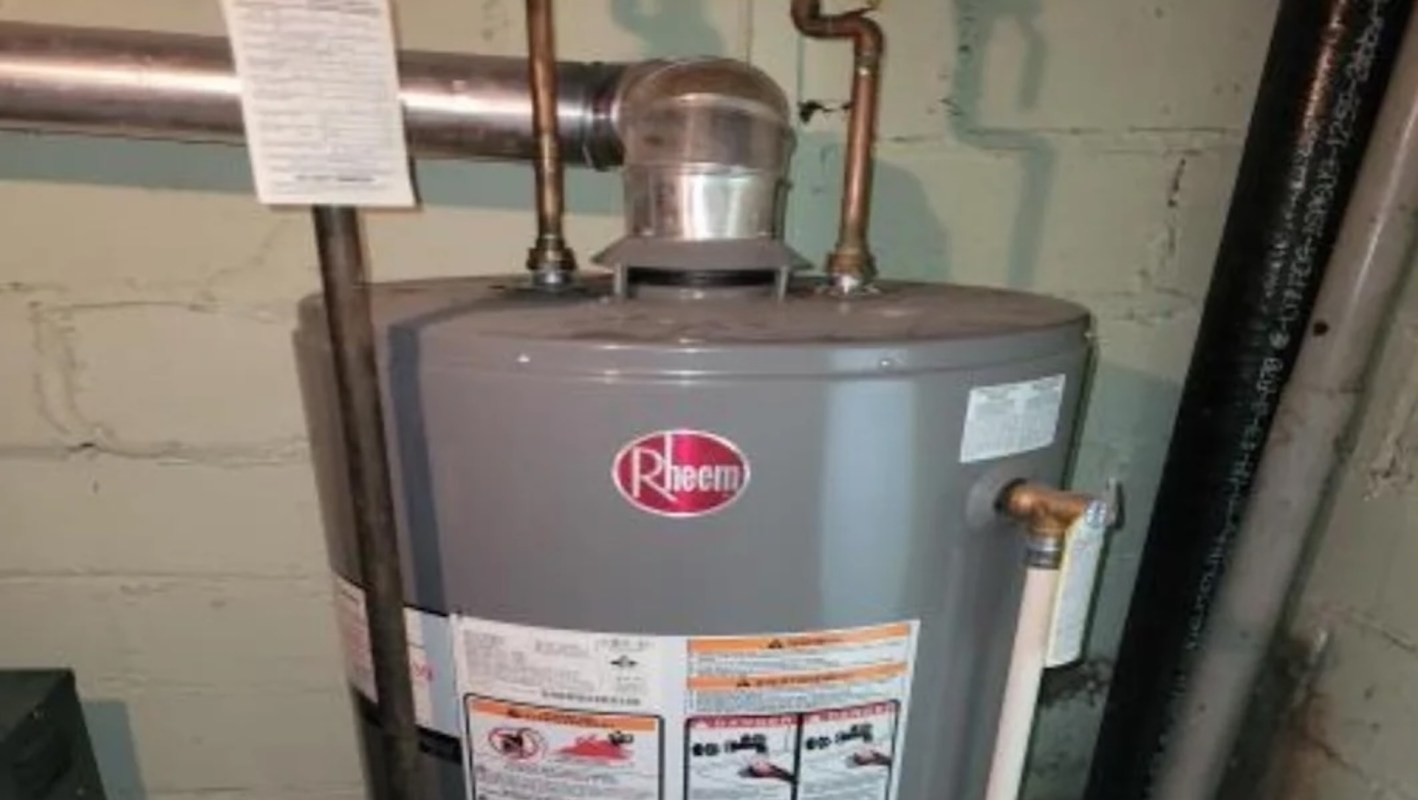
A Toronto homeowner trying to replace a buzzing boiler ran into a familiar renovation problem: Every contractor seemed to push one solution, while online advice pointed in several different directions.
In the Reddit post, the homeowner said, "I've seen a lot of stuff against Combi boilers online, but every time I speak with an HVAC tech, they seem genuinely confused as to why I don't want one when I say I'd prefer to do standard efficiency, so I thought I'd come ask if my particular situation would be better suited to one option over another."
Here's what to know
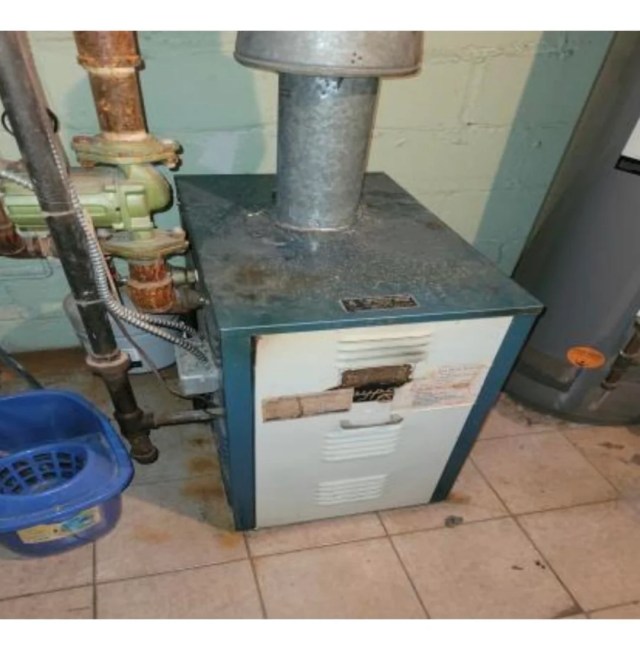
The homeowner is a single person living in a 1,000-square-foot semi-detached home in Toronto with two bathrooms and very little laundry space. The boiler dates to 1981, and the separate hot water tank is a rental that is about 10 years old with an estimated $700 buyout.
The discussion quickly turned into a debate about reliability, efficiency, and serviceability.
One user recommended "Standard cast iron boiler with an indirect hot water tank."
Another said, "new tech doesn't compare to the reliability and ease of repair for old school boilers."
One self-described hydronics expert said the choice should start with the type of heating already in the house, whether that means cast iron radiators, fin-tube baseboard, radiant floor heat, or cast-iron baseboard.
Another user added, "I hate combi units for a couple reasons: they have the shortest lifespan of all equipment and are the most pain to work on."
Save $10,000 on solar panels without even sharing your phone number Want to go solar but not sure who to trust? EnergySage has your back with free and transparent quotes from fully vetted providers in your area. To get started, just answer a few questions about your home — no phone number required. Within a day or two, EnergySage will email you the best options for your needs, and their expert advisers can help you compare quotes and pick a winner. Solar panels can save you more than $50k over their 25-year lifespan, and EnergySage can help you save as much as $10k on installation. Which begs the question — isn't that worth an email or two? |

That user also said that in the right kind of higher-mass heating system, switching equipment can substantially cut fuel use, writing, "I've personally seen some homes save 30-40% on their gas bill here in Minnesota when they upgrade to high efficiency. Again, savings depends heavily on radiant type of home."
More background
Boiler replacements can come down to parts availability, annual maintenance, venting requirements, hot water needs, and whether one appliance should handle both space heat and domestic hot water.
In the Reddit thread, several users pointed to Canadian and Ontario rules and explained why contractors may be steering homeowners toward high-efficiency options.
Others noted that a combi can save space in a tight laundry room but may also create a single point of failure if it breaks down.
What can be done?
Getting multiple detailed quotes and asking each contractor the same questions can help: What kind of heat emitters does the house have? What will annual maintenance cost? How difficult are replacement parts to get? Will the chimney or venting need to change? And how does the hot water tank rental affect the overall math?
For some homeowners, separating hot water from home heating instead of relying on a single combi unit for both jobs could be more appealing. It may also be worth comparing the cost of buying out an existing rental tank.
Pricing out a heat-only boiler plus a separate water heater can offer a clearer apples-to-apples comparison of upfront cost, maintenance, and monthly bills.
In some homes, that approach could preserve more heating flexibility over time.
One user said, "You aren't going to find a natural draft boiler anymore in Canada energy regulations changed."
Where can I learn more?
Updating your HVAC system isn't easy, but you do have options, some of which can also save you money.
• In Ohio, a homeowner weighed ultra-modern HVAC options after a furnace breakdown.
• In Albuquerque, N.M., a homeowner was urged to beware and do research before choosing heat pumps.
• On HGTV's Fixer to Fabulous, hosts touted a space-saving swap that can cut bills.
• Homeowners weighing replacements found heat pump water heaters can lower long-term energy costs.

Get TCD's free newsletters for easy tips, smart advice, and a chance to earn $5,000 toward home upgrades. To see more stories like this one, change your Google preferences here.






