


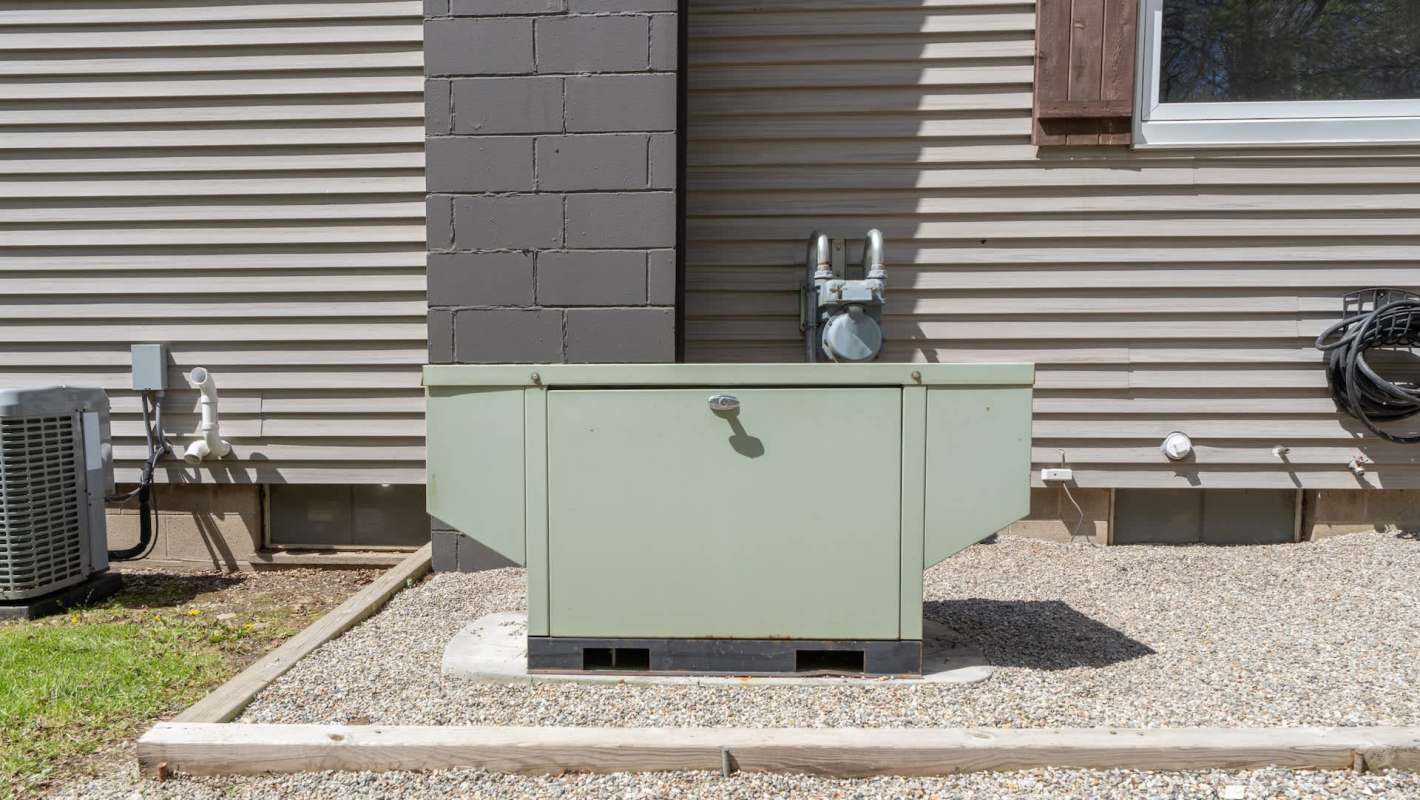
A homeowner in the Boise area turned to Reddit with a practical cold-weather question: If the power goes out, can a generator handle a heat pump system that also has a gas furnace backup?
Here's what to know
The discussion centered on a 4-ton Lennox setup in the poster's next home. They said the house would have a heat pump alongside a separate gas furnace, adding, "I don't have any idea what a heat pump draws?"
Summer comfort was not the sticking point for the homeowner. They said they could "get by with fans" if an outage hit during cooling season, but wanted to make sure the house could still be heated in winter.
Most replies pushed toward a simpler backup-power plan: skip the heat pump and use only the furnace side of the system.
"In the event of a power outage, I'd just operate the blower on the furnace," one user wrote.
A second commenter described how to do that in practice, saying, "Since you don't want to run your heat pump, simply leave the compressor breaker off (with your blower/furnace breaker on)."
TCD Picks » Quince Spotlight
💡These best-sellers from Quince deliver affordable, sustainable luxury for all




They also noted that an emergency heat option on the thermostat can make the system use gas heat instead of attempting to start the heat pump first.
That approach matters because keeping the outdoor compressor off reduces the electricity the backup setup has to supply. In turn, that can reduce generator size and fuel use, and it may let a homeowner avoid extras like a soft-start device when the goal is only to keep the house warm.
More background
With a dual-fuel system, the gas furnace is doing the heating work, while the electrical demand is largely tied to the blower and controls. The heavier load usually comes from the heat pump's outdoor compressor, especially when it starts.
One commenter stressed that heating mode does not make that compressor easier to start: "The LRA is going to be the same whether it is in cooling or heating mode." So if generator power struggles with the unit in summer, winter operation is not likely to solve that problem.
For that reason, a homeowner with gas backup may not need to size a generator for the whole HVAC system. Planning around the smaller furnace load instead can lower equipment costs and stretch fuel further during an outage.
One reply went even further, suggesting, "You could even get away with a battery power station running your furnace during the night."
What can be done?
Anyone with a similar system may want to start by checking whether the thermostat offers an emergency heat or emergency fuel setting. If it does, that mode may let the furnace operate during an outage without bringing the heat pump into the sequence.
It is also worth reviewing the breaker setup and seeing how the thermostat behaves before the power ever fails. Commenters noted that without the right thermostat option, a system may still try the heat pump first before eventually switching to gas heat.
Commenters said a soft-start device could help if someone insists on running the heat pump from backup power, particularly when locked-rotor amps are high. But when gas heat is already available, they suggested the more economical and less complicated choice is to keep the compressor off and use the furnace.
That advice settled the issue for the original poster, who responded after reading the thread: "Thank you! That solves that problem."
Where can I learn more?
These stories look at generator sizing, dual-fuel heat pump backup plans, winter heat pump performance, and home battery alternatives.
• After repeated outages, one family weighed which generator can power fridges, two ACs, and heaters.
• In Minnesota, a homeowner liked the sub-zero heat pump data but still wanted propane backup.
• In Vermont, a homeowner found a heat pump saved money through a freezing winter.
• Installers said many homeowners are opting for these next-gen backup batteries over old generators.

Get TCD's free newsletters for easy tips, smart advice, and a chance to earn $5,000 toward home upgrades. To see more stories like this one, change your Google preferences here.






