


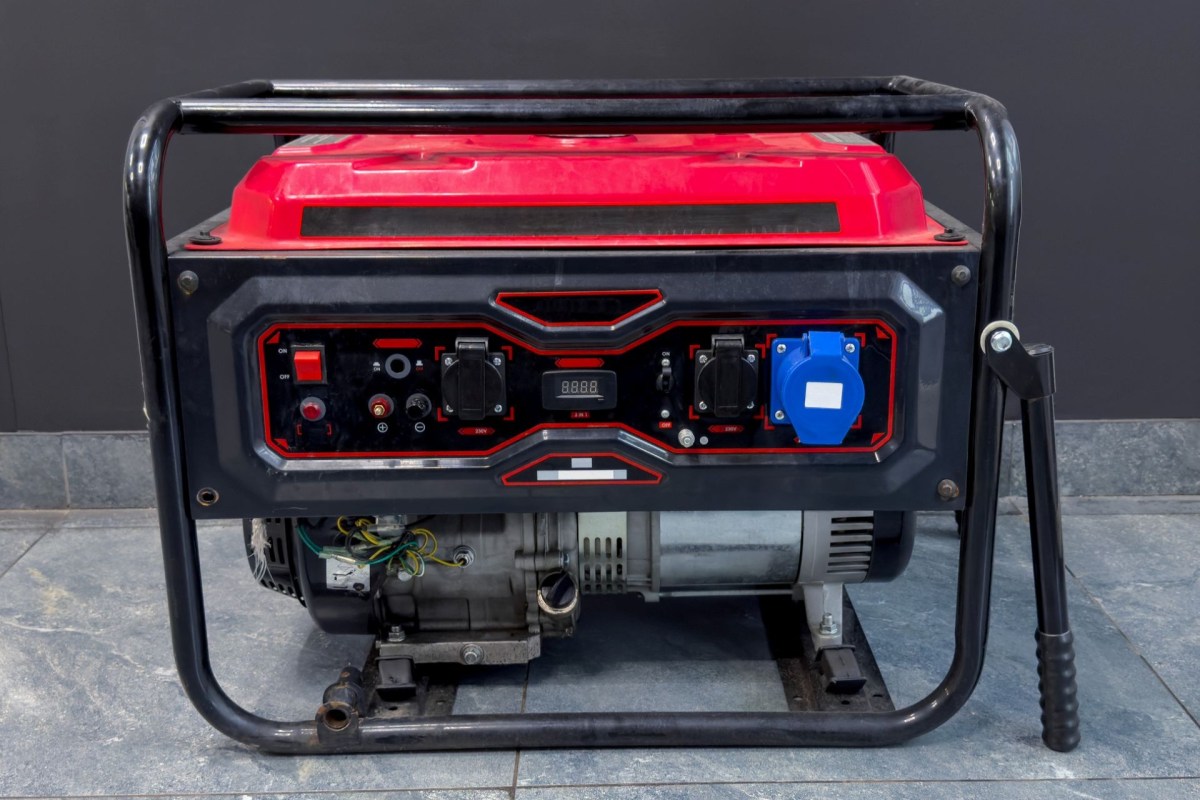
Buying a backup generator can offer peace of mind, until it's time to think about the fuel left sitting in the tank between outages.
One rural homeowner raised that exact concern online, and fellow generator owners offered a practical, low-cost solution.
Here's what to know
In a post on Reddit's r/Generator community, one user looking at a 13,000W Predator generator for their rural home said outages there tend to last a day or two. They wondered if there was an easier way to empty the tank afterward rather than manually disconnecting fuel lines.
This original poster wrote, "I don't want gas to sit in the tank for an extended period of time," before asking, "Are there any ways to make it easier to drain the gas quickly?"
In the comments section, one commonly suggested method was to use an inexpensive battery-powered transfer pump to pull out most of the gasoline and then let the generator consume what is left.
One commenter said, "There's these cheap battery powered fuel pumps that are designed to pump from a gas can to fuel things, they're like 12 dollars. They won't suck your gas tank completely dry, but they'll get most, and they're cheap and easy."
TCD Picks » Quince Spotlight
💡These best-sellers from Quince deliver affordable, sustainable luxury for all




People also pointed out that the same pump can make routine fueling easier, not just draining.
Several replies cautioned that clearing the tank is not the whole job. Gasoline can remain in the carburetor bowl and still gum up components if the generator is stored that way for too long.
Other commenters said fuel handling is easier when it is part of a set maintenance routine. One user recommended marking the tank with the octane rating, whether stabilizer was used, the date the gas was added, and when it should expire, and then doing that again each year.
Regular test runs came up as another important maintenance habit. Another commenter wrote, "You probably should be running the generator regularly so you have confidence that it will be ready when you need it. You don't want to be in the middle of a storm at 2am, trying to troubleshoot why it doesn't work"
One suggested approach combined several steps: adding fuel stabilizer, using ethanol-free or premium gasoline when possible, running the generator under load for about an hour every month, and finally, shutting the fuel petcock so the engine can burn through what remains in the line.
Where can I learn more?
For more on generator tradeoffs, solar-backed home batteries, and portable backup power, check out these stories.
• In Texas, one homeowner weighed a 190-pound generator against a late-night outage reality.
• An energy expert said solar alongside batteries can deliver quiet, seamless power a generator cannot.
• Homeowners are increasingly opting for next-gen models that replace old backup generators.

Get TCD's free newsletters for easy tips, smart advice, and a chance to earn $5,000 toward home upgrades. To see more stories like this one, change your Google preferences here.






