


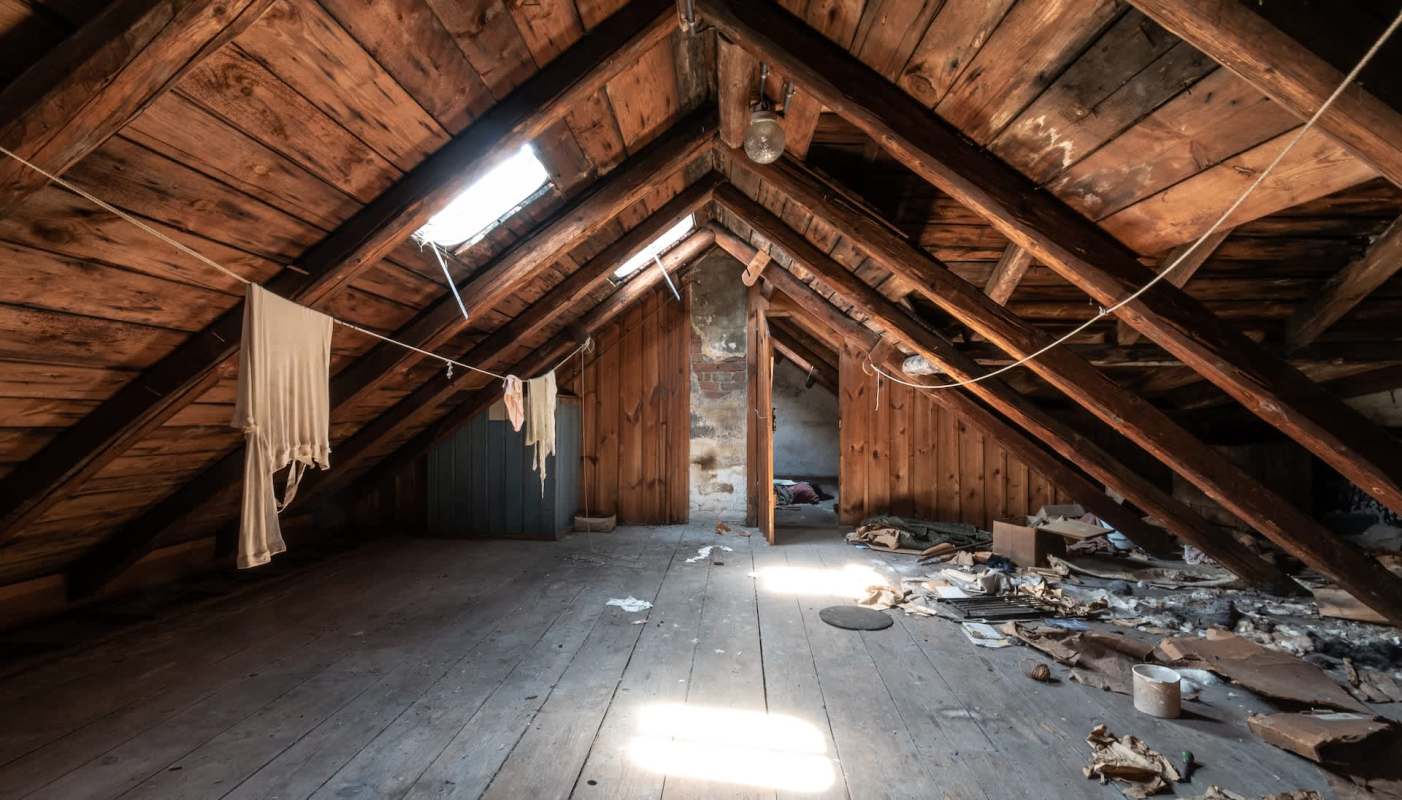
Conflicting advice on attic insulation left one Toronto homeowner caught between contractor recommendations and Reddit warnings.
The owner of a 1940 half-story house said several companies suggested closed-cell spray foam, while commenters cautioned that the approach could create a far bigger problem if moisture is already present.
Here's what to know
The debate started in a post on Reddit's r/insulation forum, where the Toronto-based homeowner explained their dilemma.
To illustrate the situation, the OP included a video of their attic. (If you can't see the video, click here.)
"I've had multiple quotes from multiple insulation companies saying I should go with closed cell spray foam saying that my particular house is quite challenging to insulate and that spray foam will have the best result with minimal risk," the original poster wrote.
"Would it be a terrible idea to use closed cell spray foam installed by professionals?" they asked Reddit.
TCD Picks » Quince Spotlight
💡These best-sellers from Quince deliver affordable, sustainable luxury for all




Commenters were quick to warn about the potential for spray foam to exacerbate preexisting moisture problems.
"Terrible idea to spray foam the underside of decking that's already experiencing moisture issues," wrote one Redditor. "You're essentially guaranteeing that it's going to never be able to dry (and will therefore rot instead)."
Spray foam has a number of advantages, particularly in older attics with awkward framing. It can air-seal and insulate at the same time, which can help reduce drafts, improve comfort, and lower winter heating costs. But if moisture is already getting into the roof assembly, the spray foam can trap the moisture in place, potentially transforming an energy-saving upgrade into a costly repair.
More background
While owners of older homes are often looking for ways to save on their energy bills, the wrong upgrade can end up costing more in the long run if done improperly.
In general, attic insulation can be a great way to increase comfort inside the home while saving on energy costs. This is particularly true in cold climates such as Toronto, where heat loss through the roof can push up monthly bills while leaving the inside of the home feeling cold and drafty.
Closed-cell spray foam is often presented as a high-performance option because it delivers a strong insulating layer in a relatively thin space, while also fitting into nooks and crannies. These features can be especially useful in half-story homes, where every inch matters.
Some commenters argued that, if it weren't for the moisture problems, spray foam would be a solid option for the OP's attic.
"If moisture isn't present, foam is a great way to go on an attic like that," wrote one.
However, another countered that foam "seems like a terrible, irreversible idea."
The exchange highlighted how homeowners are often asked to make expensive, long-lasting decisions about their homes while faced with conflicting advice from experts.
What should the homeowner do?
Before settling on any insulation plan, many commenters agreed that the most immediate issue facing the homeowner is the roof deck's current condition.
Addressing the roof deck's moisture problems means getting moisture readings, reviewing any history of leaks, and establishing a ventilation plan.
"Best way to do this is add a thick soffit baffle stapled down tied in to the soffit vents all the way up to the ridge vent," advised one commenter. "Then you could use closed cell over the baffles. This will still allow the roof to dry out and keep air flow."
Other options presented by Redditors included insulating the attic floor, using a different insulation material, or repairing and re-roofing first to better protect the house.
Where can I learn more?
To learn more about hemp insulation, wildfire-resistant cladding, cooling paint, resilient coastal design, and fire-safe building rules, check out the following articles.
• In Idaho, Hempitecture opened the first US hemp-insulation factory to expand lower-impact home materials.
• Researchers developed a fireproof mycelium cladding to help homes withstand wildfire heat.
• Scientists created paint that can sweat and cut building electricity use.
• In the Hamptons, architects designed robust structural boxes for a storm-resilient beach house.
• In Bend, Oregon, officials proposed fire-resistant materials requirements for new home construction.

Get TCD's free newsletters for easy tips, smart advice, and a chance to earn $5,000 toward home upgrades. To see more stories like this one, change your Google preferences here.






