


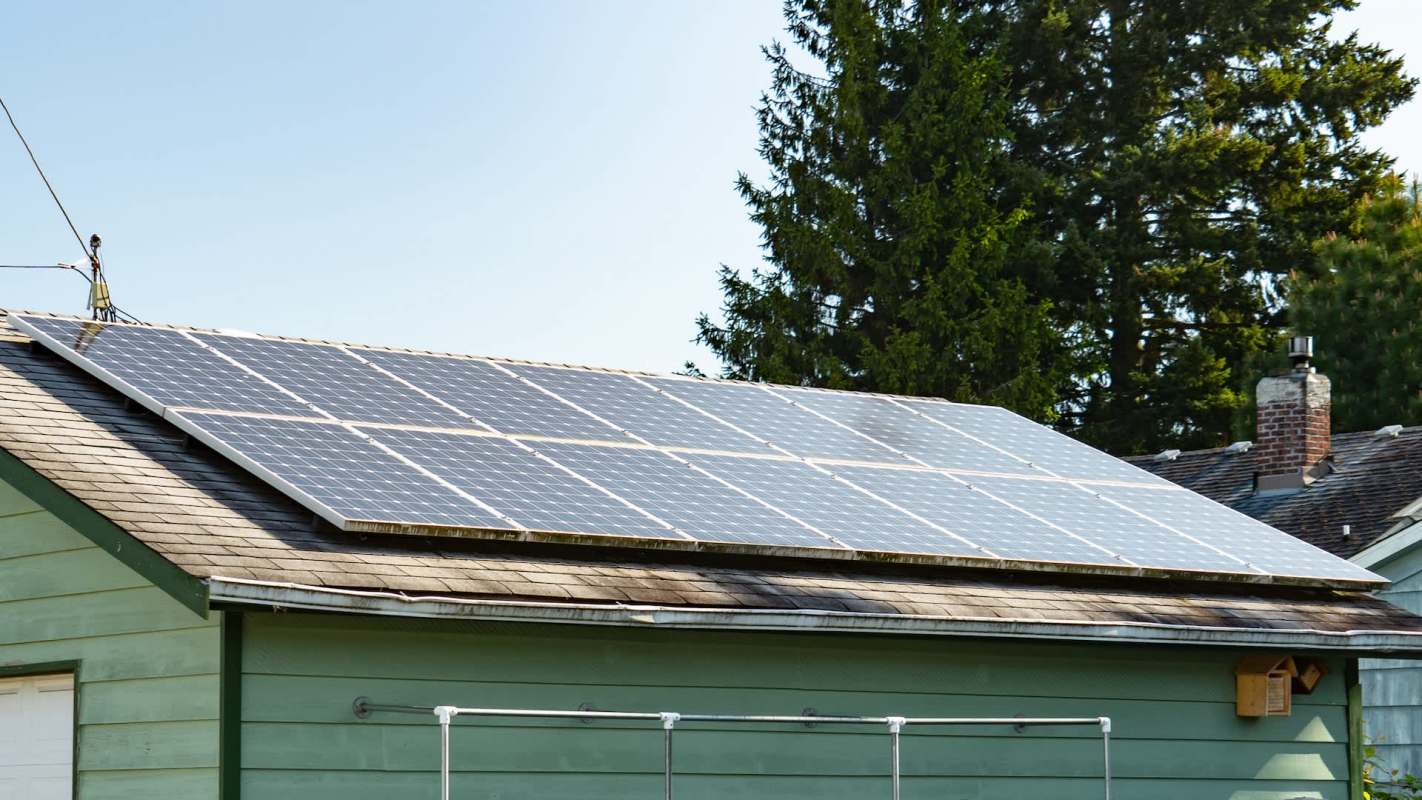
A homeowner turned to Reddit after breaker-panel work connected to a shed project appeared to make the home "use" power in almost the same pattern as its rooftop solar output, even though no major equipment was running.
For solar owners, it served as a useful reminder that strange app data after electrical work may point to a wiring issue, not a sudden jump in actual energy use.
Here's what to know
The homeowner described the problem in Reddit's r/SolarDIY, saying an electrician had rearranged breakers in the outdoor panel to make space for new shed circuits. Following that work, the app began reporting about 45 to 60 kilowatt-hours of daily household consumption despite having "absolutely nothing running" beyond the usual basics.
The odd part was the home's reported energy use rose and fell in close step with solar production. Commenters said that kind of graph can point to a measurement issue rather than real demand, particularly CT clamps or CT leads being reversed.
One commenter asked, "Are the CT's backwards? There is an arrow on them." Another wrote, "You can simply reverse the leads from the CTs in the inverter, but should be done with the power off and no solar backfeed."
The original poster had yet to follow up in the week the post has been live, so they have not yet confirmed any resolution, but the advice on where to begin troubleshooting is sound. In any case, contacting the solar installer with the data is always a good idea before attempting any changes, or at least a separate solar professional.
Going solar is one of the best ways to save money on home energy, but accurate monitoring is a key part of making sure those savings show up the way they should. If you're comparing options, EnergySage lets homeowners get free solar installation estimates and compare quotes.
More background
The underlying solar equipment may have been working properly. If CT clamps are installed backward, or if their leads are reversed during panel work, the software can misread imported and exported power, making the charts look bizarre even when the system itself is generating normally.
Save $10,000 on solar panels without even sharing your phone number Want to go solar but not sure who to trust? EnergySage has your back with free and transparent quotes from fully vetted providers that can help you save as much as $10k on installation. To get started, just answer a few questions about your home — no phone number required. Within a day or two, EnergySage will email you the best local options for your needs, and their expert advisers can help you compare quotes and pick a winner. |

If a usage graph suddenly mirrors generation after electrical work, the monitoring hardware and settings may warrant a closer look before you assume actual consumption has increased.
What can be done?
After a breaker-panel upgrade, inverter work, or rewiring, homeowners can review their monitoring data. If the numbers suddenly stop making sense, ask a qualified professional to inspect the CT orientation, wiring, and app configuration rather than assuming your household has suddenly started burning through power.
Homeowners can also use EnergySage's solar map, which shows the average cost of a home solar panel system on a state-by-state level, as well as details on solar panel incentives for each state. Together, those resources can help readers get the best price for rooftop solar panels and access available incentives.
Adding battery storage to a solar setup is also one of the best ways to protect your home during outages, save money on energy, and go off-grid. Homeowners interested in backup power can explore EnergySage for information about home battery storage options, including competitive installation estimates.
More From EnergySage
💡Go deep on the latest news and trends shaping the residential solar landscape

The original poster summed up the unusual pattern, saying, "I find it very strange that the house energy usage rises exactly like the solar generation towards the middle of the day and then drops off sharply to match the solar."
Where can I learn more?
Read more about solar billing surprises, neighbor-driven installations, and HOA conflicts over rooftop panels.
• In South Carolina, a homeowner saw steady export readings before a bill claimed 900 grid kWh.
• A PG&E customer got a surprise solar bill and wondered where the payback went.
• In Ohio, a retiree turned negative energy bills into a neighborhood talking point.
• In Florida, an HOA's petty actions allegedly target houses with solar panels.

Get TCD's free newsletters for easy tips, smart advice, and a chance to earn $5,000 toward home upgrades. To see more stories like this one, change your Google preferences here.






