


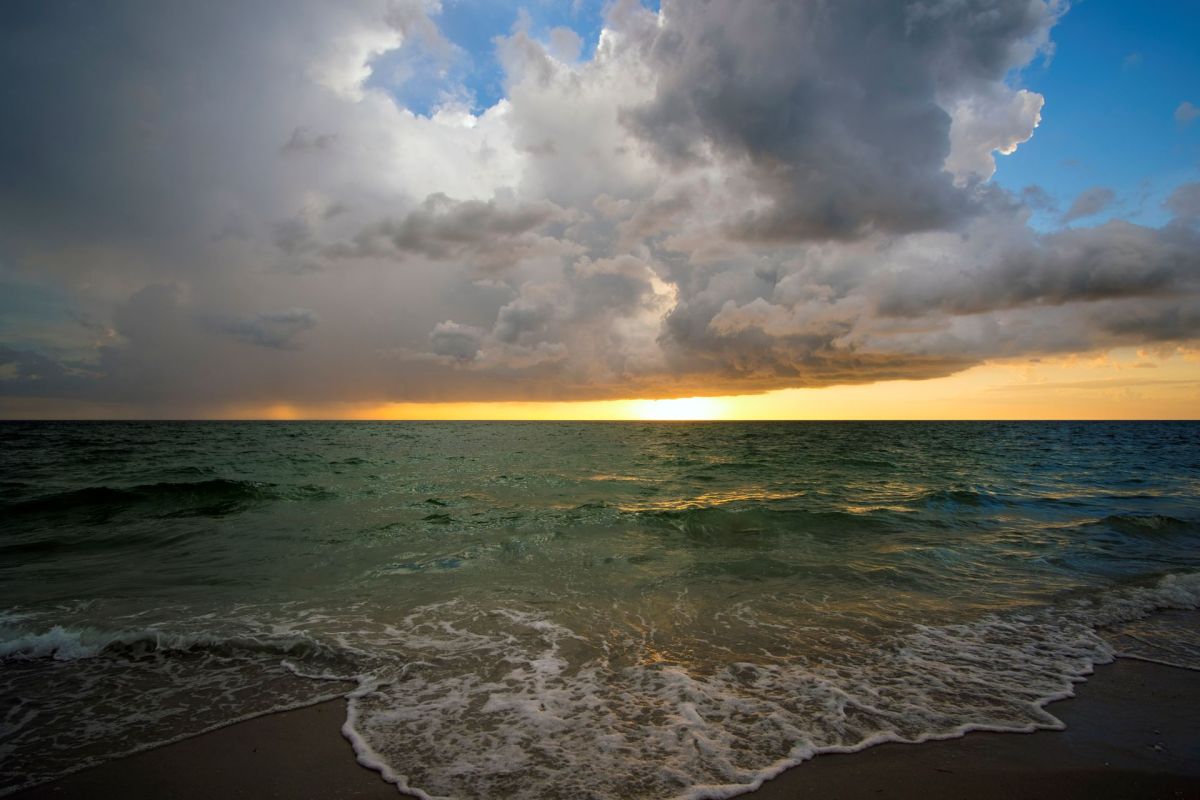
The current Atlantic hurricane season could end without producing a single hurricane, a stunning possibility not seen since 1914.
If that holds, it would mark a rare and historic quiet stretch.
Here's what to know
As The Weather Network detailed, Tropical Storm Fay could potentially turn into a hurricane, but it's far from a sure thing. With the Atlantic still hurricane-free, meteorologist Alex Sosnowski with AccuWeather said that none may form before the 2026 season ends, according to The Independent. The season began June 1 and runs through Nov. 30.
Forecasters have pointed to El Niño, which usually increases wind shear over the Atlantic and makes storm formation and strengthening more difficult. Sosnowski wrote, "Given the potentially record-setting El Niño conditions and the wind shear generated by it, it is possible for there to be no hurricanes through the remainder of the season."
Those totals stand out because mid-September usually arrives with much more activity already recorded. AccuWeather said the typical count by that point is nine tropical storms and four hurricanes, and the National Hurricane Center's August outlook called for 7-13 named storms and 2-6 hurricanes.
Regardless of whether a hurricane eventually forms, the season has already hit a record for the lateness of the Atlantic's first one since recording began more formally in 1966. The record had been Sept. 11, set in 2002 and matched in 2013.
TCD Picks » Quince Spotlight
💡These best-sellers from Quince deliver affordable, sustainable luxury for all




More background
El Niño's influence has not erased tropical danger so much as shifted it, helping suppress Atlantic activity while coinciding with a much busier Pacific season.
Flooding, storm surge, wind damage, and power outages can threaten public health, disrupt hospitals and transportation, damage homes and businesses, and strain local economies long after a storm has passed.
The Atlantic season has not been harmless: AccuWeather said its five tropical storms brought flooding across the Gulf Coast. Meanwhile, The Independent reported that three Pacific hurricanes developed near the California coast and moved westward, and that Hurricane Lowell clipped Hawai'i, where two people died, including a 90-year-old former kindergarten teacher.
What can be done?
Households in hurricane-prone areas still face risks before the season officially ends on Nov. 30.
Regardless of the predictions, checking emergency supplies, reviewing evacuation routes, keeping phones and backup batteries charged, and making sure flood-prone properties have a plan if heavy rain develops are all practical steps that can make a difference. Families that rely on refrigerated medicines or medical devices can also benefit from planning for backup power needs ahead of time.
More broadly, accurate forecasting remains one of the most important tools communities have. It helps emergency managers, utilities, hospitals, and residents prepare for fast-changing conditions, whether the threat comes from the Atlantic, the Pacific, or inland flooding tied to tropical moisture.
Forecasters are also not treating the Atlantic season as finished. As AccuWeather Lead Long-Range Meteorologist Paul Pastelok said, "If there is going to be an uptick in tropical activity in the Atlantic for the balance of the season, it is likely to be during late September to early October."
Where can I learn more?
Atlantic and U.S. storm patterns offer more context for this unusually quiet season. They also show why coastal risks can still linger, especially for forecasters, utilities, and residents watching for any late-season shift.
• Across the U.S., the first hurricane-free landfall season in a decade underscored how unusual Atlantic conditions had become.
• Coastal residents watched an unusually quiet start to the 2025 hurricane season confound forecasters' expectations.
• Along the Gulf Coast, utilities saw a lot of valuable exposure as forecasters assessed Atlantic threats.

Get TCD's free newsletters for easy tips, smart advice, and a chance to earn $5,000 toward home upgrades. To see more stories like this one, change your Google preferences here.






