


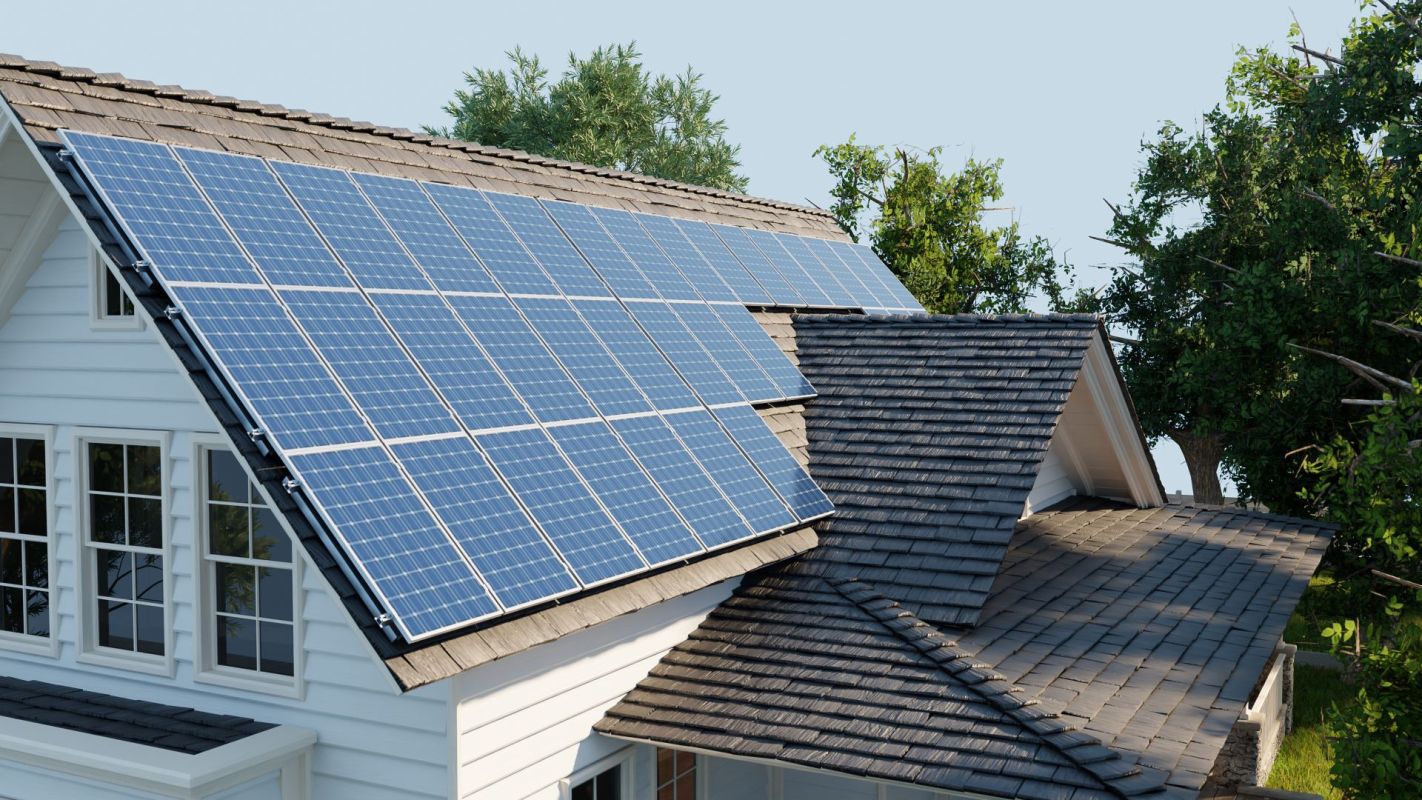
A California homeowner finally hit a breaking point after opening a $1,200 utility bill — and responded by installing a rooftop solar system with battery backup sized to power the house and two EVs.
While the homeowner anticipated massive savings on their energy bills for years to come, they turned to the internet to ask other solar converts what their real-world results had been.
Here's what to know
Writing on the r/solarenergy subreddit, the Marin County homeowner explained that their installation included 33 panels totaling roughly 15 kilowatts of generating capacity. They also added three Powerwalls with about 40.5 kilowatt-hours of usable storage.
The homeowner explained that they used their solar panels to power not only their entire home but also their two EVs.
Considering annual home energy expenses and transportation fuel costs, the original poster estimated that their home solar and battery setup would save them between $8,000 and $12,000 every year.
Meanwhile, they shared that the total project cost about $65,000. If the OP's estimates prove accurate, they would recover the cost of their system within about five or six years while continuing to benefit from savings for as much as a decade or two longer.
As the OP showed, for households dealing with skyrocketing utility bills, going solar is one of the best ways to save money on home energy. For those looking to learn more, EnergySage makes it easy with free installation estimates and quote comparisons.
More background
Some commenters chimed in about the big difference in solar installation costs throughout the U.S. One homeowner shared that the cost of a similar setup on the East Coast was $52,000 (but with only two Powerwall batteries), while another reported a $70,000 quote in New England for a 14-kilowatt system without batteries.
Save $10,000 on solar panels without even sharing your phone number Want to go solar but not sure who to trust? EnergySage has your back with free and transparent quotes from fully vetted providers that can help you save as much as $10k on installation. To get started, just answer a few questions about your home — no phone number required. Within a day or two, EnergySage will email you the best local options for your needs, and their expert advisers can help you compare quotes and pick a winner. |

Others advised the OP on how to take their solar savings even further, for example, by installing energy-efficient electric appliances and HVAC.
One homeowner described their heat-pump water heater as "definitely a saver," while others advised the OP to consider heat-pump HVAC, including mini-splits.
What can be done?
A recurring theme in the discussion was best practices for obtaining solar bids and having a successful installation. Users recommended getting as many different bids as possible, comparing the price per watt, and making sure the system is sized for both household demand and EV charging.
While going solar might seem complicated, EnergySage simplifies the process with free tools that let homeowners get competitive bids from vetted local installers without handing over their contact info until they are ready.
More From EnergySage
💡Go deep on the latest news and trends shaping the residential solar landscape


Additionally, with EnergySage's help, the average person can save up to $10,000 on solar purchases and installations.
To make things even easier, EnergySage's solar map shows the average cost of a home solar panel system by state, along with solar incentives for each state. Together, those resources can help homeowners get the best price for rooftop solar panels and access available incentives.
Adding battery storage to a solar setup is one of the best ways to protect your home during outages, save money on peak-hour rates, and go off-grid. Homeowners can explore EnergySage for information about home battery storage options, including competitive installation estimates.
As one commenter wrote, "The best part of solar with batteries is not having to care anymore. All anxiety about wasting electricity is gone."
Where can I learn more?
The following articles delve into other aspects of home solar, including solar tax credits, installation costs, battery economics, and rooftop panel upkeep.
• A homeowner learned up to $9,000 off a solar install could still come via tax credits.
• Energy expert Liam Madden warned lucrative incentives for rooftop solar could vanish under a utility-friendly proposal.
• EnergySage COO Charlie Hadlow broke down interconnected factors behind solar pricing, from labor to local permitting.
• Homeowners found rooftop cleaning and repairs can shape long-term savings after going solar.
• In the Philippines, researchers found that the trustworthiness of providers remains a major barrier to adoption.

Get TCD's free newsletters for easy tips, smart advice, and a chance to earn $5,000 toward home upgrades. To see more stories like this one, change your Google preferences here.






