


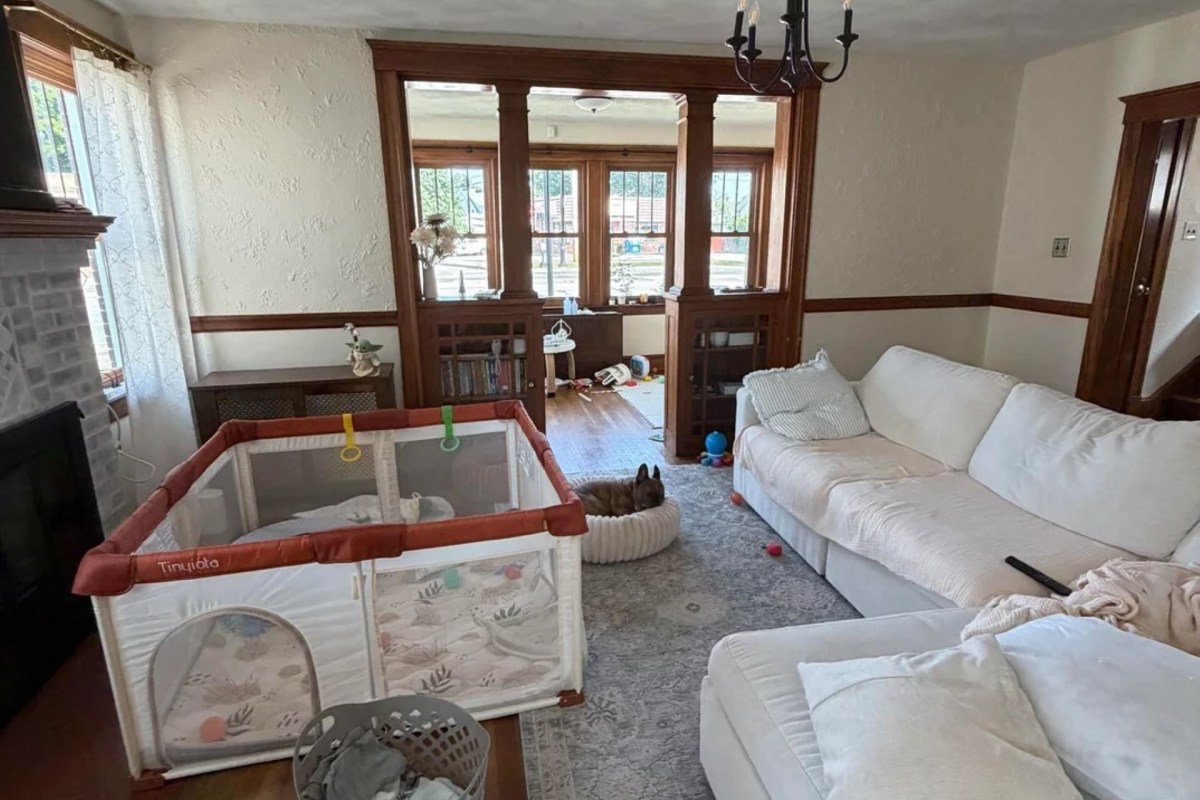
A parent shared a deeply personal warning for anyone living in an older home after a pediatric screening found elevated lead levels in their 1-year-old.
Among the suspected sources, the family pointed to a worn closet rod in the child's room that tested positive for lead.
Here's what to know
The parent posted their warning on Reddit's r/centuryhomes. Lead concerns surfaced after the family bought a 1930 house. Despite the house's age, the parent decided not to have the home tested for lead prior to moving in.
It is a decision they now deeply regret.
At their child's 1-year checkup, the child tested positive for elevated levels of lead. Subsequent inspections found lead on multiple surfaces in the home, according to the original poster.
Responding to commenters' questions, the parent said the child's lead level was 6. They explained that the child's doctor had conducted two finger-prick tests, as well as a follow-up intravenous test.
TCD Picks » Quince Spotlight
💡These best-sellers from Quince deliver affordable, sustainable luxury for all




The OP said they had identified several possible exposure routes, including drilling into old woodwork, nearby construction, and typical baby behavior around painted surfaces.
After testing more areas for lead using a kit from the U.S. Environmental Protection Agency, the parent said one result in particular stood out.
"His closet rod was the only one that tested positive," the OP wrote. "His smaller hangers cause a ton of friction on the deteriorating wooden rod, so I suspect this is a huge contributing factor."
Commenters agreed with the OP's assessment that the closet rod was likely a source of the child's lead exposure.
"Actually friction surfaces are a major source of lead dust," said one.
More background
Despite decades of working to eradicate lead from homes, lead exposure remains a serious public health issue, particularly in older housing.
According to the EPA, frequent sources of lead contamination include paint, dust, soil, drinking water, and consumer products.
"Even small amounts of lead can cause serious health problems," per the Mayo Clinic. "Children younger than age 6 are especially vulnerable to lead poisoning, which can severely affect how a child's body grows and brain develops."
"At very high levels, lead poisoning can be fatal," the Mayo Clinic warned.
With these risks in mind, the original poster must now live with the regret of not having their home tested sooner.
"The parent-guilt is crushing me," they wrote.
Where can I learn more?
These articles look at other ways that people are working to make their homes and workplaces safer. They examine topics such as flame-resistant materials, parents pushing back on pollution, and factory-linked health risks.
• Scientists developed a naturally flame-resistant material that blends cotton without harmful chemical additives.
• Parents with Moms Clean Air Force pushed for policy change after noticing children's declining health.
• Near GAF's West Dallas factory, residents warned that health risks in Southern communities were worsening.

Get TCD's free newsletters for easy tips, smart advice, and a chance to earn $5,000 toward home upgrades. To see more stories like this one, change your Google preferences here.






