


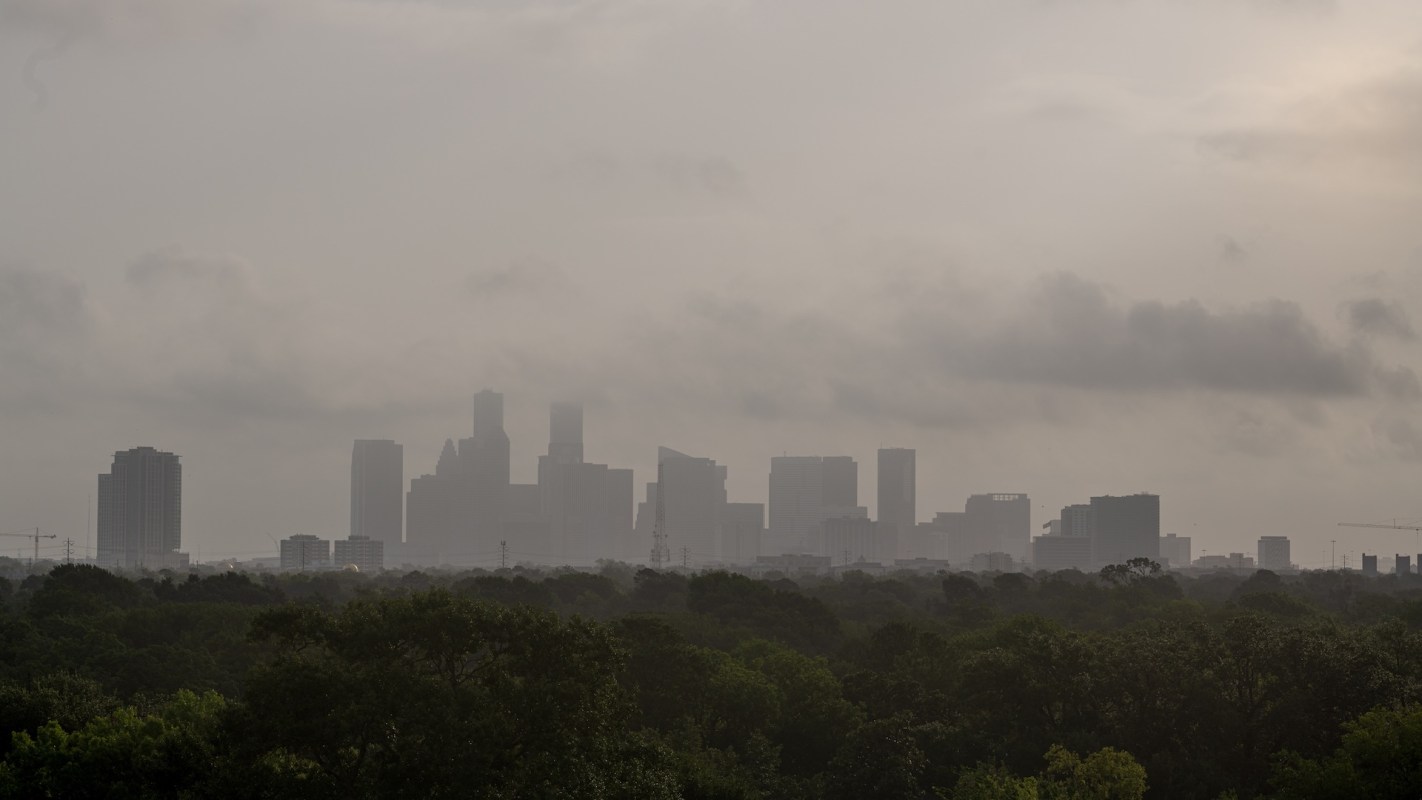
The Rio Grande Valley is drying up because of a worsening drought, and it is putting millions at risk of losing vital water supplies.
Here's what to know
The Rio Grande travels from Colorado to the southernmost tip of Texas, along the border with Mexico. It is now considered one of the most threatened rivers in the United States, Texas Standard reported.
"In huge stretches, hundreds of miles of stretches along this river, it's already running dry," Texas Monthly reporter Jack Herrera told Texas Standard. "And this is a huge problem because over 15 million people depend on the Rio Grande for their drinking water."
"The worst estimates see millions of these people running out of their drinking water, potentially within the next year. This is not a problem that's a decade off. This is happening right now."
In fact, it's barely considered a drought anymore. Instead, researchers have been calling it "aridification," which describes "a fundamental shift in the climate where this part of the world is getting drier and we can expect less rain and less snow," Herrera added.
It's reportedly been centuries since the Rio Grande Valley has experienced conditions like this.
TCD Picks » Quince Spotlight
💡These best-sellers from Quince deliver affordable, sustainable luxury for all




"It's one of the worst droughts on record," Herrera continued. "The last time North America was being affected by a drought of this scale was back in the year 800. But the thing that's shocking is that that is not the greatest threat to the Rio Grande. The real engine of this crisis is overuse downstream."
What can be done?
Conserving water wherever possible can help alleviate drought concerns. That means fixing leaks quickly, cutting back on unnecessary outdoor watering, and paying close attention to any guidance from local utilities or municipalities.
"The only solution to this problem is finding out a way that we can use less water, specifically in agriculture, but other industries as well," Herrera said. "There's no future of the Rio Grande where we can continue using water at the rate we're currently using it."
Simple changes can make a difference, such as running full loads of laundry and dishes, using drought-tolerant landscaping, and watering plants during cooler parts of the day to reduce evaporation. Even modest reductions can help when a region is under prolonged stress.
Even if a few scattered showers pop up, their coverage may be too patchy to bring meaningful improvement across the region as a whole.
For now, the Valley remains in a pattern where drought keeps worsening while rain chances stay marginal, leaving a region in need of steady rainfall with little more than occasional showers in sight.
Where can I learn more?
Water shortages aren't limited to Texas, with areas worldwide contending with resource depletion as rainfall becomes scarcer, demand for water increases, and rising temperatures drain water sources.
• In Corpus Christi, officials are drilling new wells as water shortages intensify.
• At World Water Week, experts busted common myths about drought's widespread impacts.
• Scientists have said land-based rain agriculture faces added drought vulnerability across exposed regions.
• Researchers have warned that megadroughts can last for decades, bringing cascading impacts worldwide.

Get TCD's free newsletters for easy tips, smart advice, and a chance to earn $5,000 toward home upgrades. To see more stories like this one, change your Google preferences here.







