


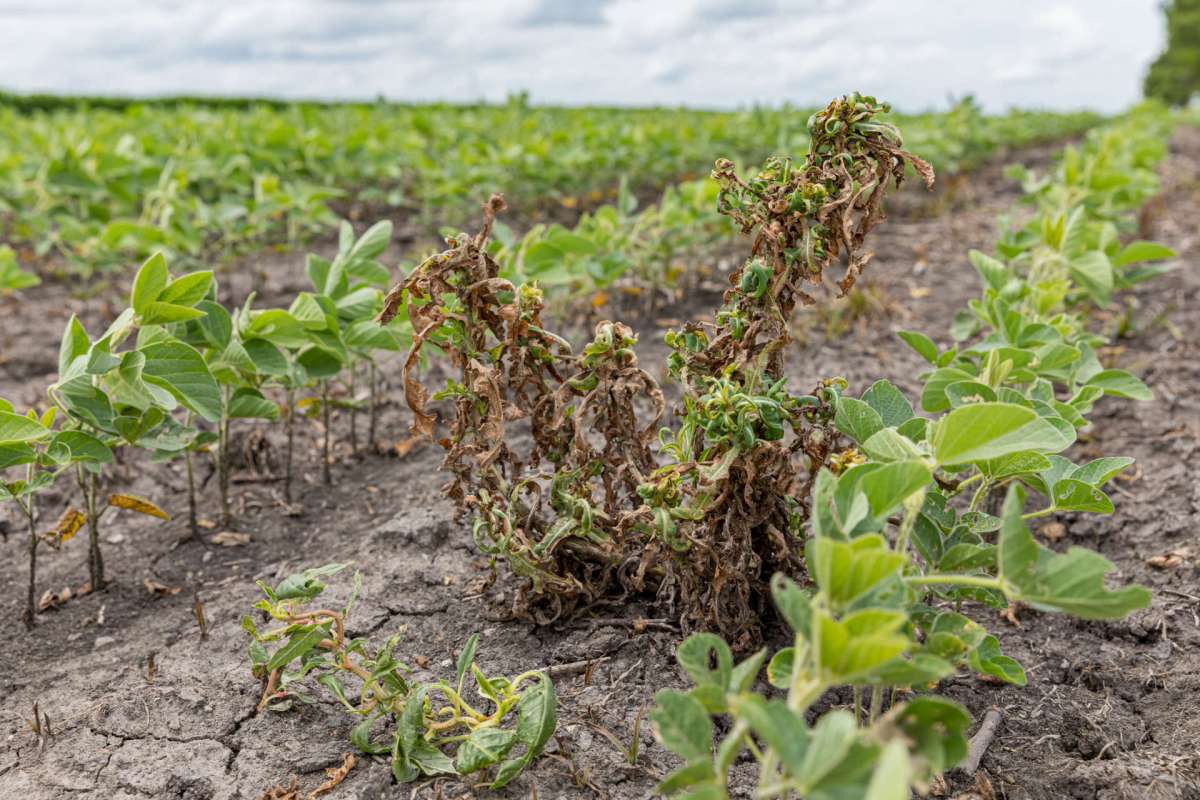
The Environmental Protection Agency is facing renewed scrutiny after internal records showed it asked Bayer to choose among restrictions for the herbicide dicamba.
The chemical has a long history of drifting beyond treated fields and harming nearby crops and vegetation, according to The Guardian.
Here's what to know
Records released in ongoing litigation show the EPA gave Bayer a set of regulatory choices for dicamba and then carried the company's selections into a proposed rule.
Those materials indicate Bayer was invited to comment on measures aimed at curbing dicamba's volatility and runoff. For one safeguard, the company reportedly picked the least restrictive option; for another, it selected a middle-tier approach, and it also won an extra revision it had sought.
A longstanding problem with dicamba is that it does not always stay where it is sprayed. The chemical has drifted beyond treated fields and harmed nearby crops, orchards, vegetable plots, home gardens, native vegetation, trees, and wildlife refuges.
Dicamba has additionally been associated with liver cancer and non-Hodgkin lymphoma, which has deepened concern about what reduced protections might mean for people who live and work close to treated areas.
TCD Picks » Quince Spotlight
💡These best-sellers from Quince deliver affordable, sustainable luxury for all




Nathan Donley, environmental health science director at the Center for Biological Diversity, described the exchange as "crossing a line," and said: "It becomes troublesome when the EPA allows them to regulate themselves by choosing the mitigations."
More background
The fight over dicamba is not new. Even after courts twice removed the herbicide from the market because of drift-related problems, the EPA approved it again.
At a May 2025 meeting, Bayer was reportedly presented with two possible ways to address dicamba's volatility. The tougher approach would have stopped spraying when temperatures exceeded 85 degrees Fahrenheit, while the alternative would have permitted use up to 95 degrees so long as fewer acres were sprayed.
For runoff, the EPA laid out three options. An EPA manager said the agency next needed input from registrants on "what mitigation and mitigation implementation option they would like to move forward with."
What's being done?
The records became public through litigation filed by the Center for Biological Diversity together with the Center for Food Safety.
Former chemical-industry officials occupy the EPA's four top toxics-office posts, among them Kyle Kunkler, a former pesticide lobbyist who now serves as a deputy assistant administrator overseeing the pesticides program.
In a statement to The Guardian, the EPA said: "Make no mistake: this is not a compliance failure; it is the regulatory system working exactly as intended." The spokesperson added: "To be explicitly clear: the registrant does not dictate terms."
Donley said, "The EPA is allowing Bayer to choose its preferred measures to limit dicamba's damage as if it was ordering up a late-night dinner à la carte from Chili's."
Where can I learn more?
These stories look at pesticide spray drift, herbicide damage, and disputes over the EPA's oversight of toxic farm chemicals.
• Federal officials are tightening rules on pesticide spray drift that harms nearby people and farms.
• EPA faces criticism as paraquat remains approved despite disease risks to agricultural workers.
• California officials said paraquat is too dangerous, yet the herbicide is still legal nationwide.
• A wildlife group said toxic malathion use could threaten more than 1,500 species.

Get TCD's free newsletters for easy tips, smart advice, and a chance to earn $5,000 toward home upgrades. To see more stories like this one, change your Google preferences here.






