


An old house can come with some surprisingly expensive comfort problems. One Kentucky homeowner said even only cooling the rooms they actually use in a 100-year-old brick house is driving summer electricity costs to around $500 per month — and the advice they received was not to rush out and buy new HVAC equipment.
Here's what to know
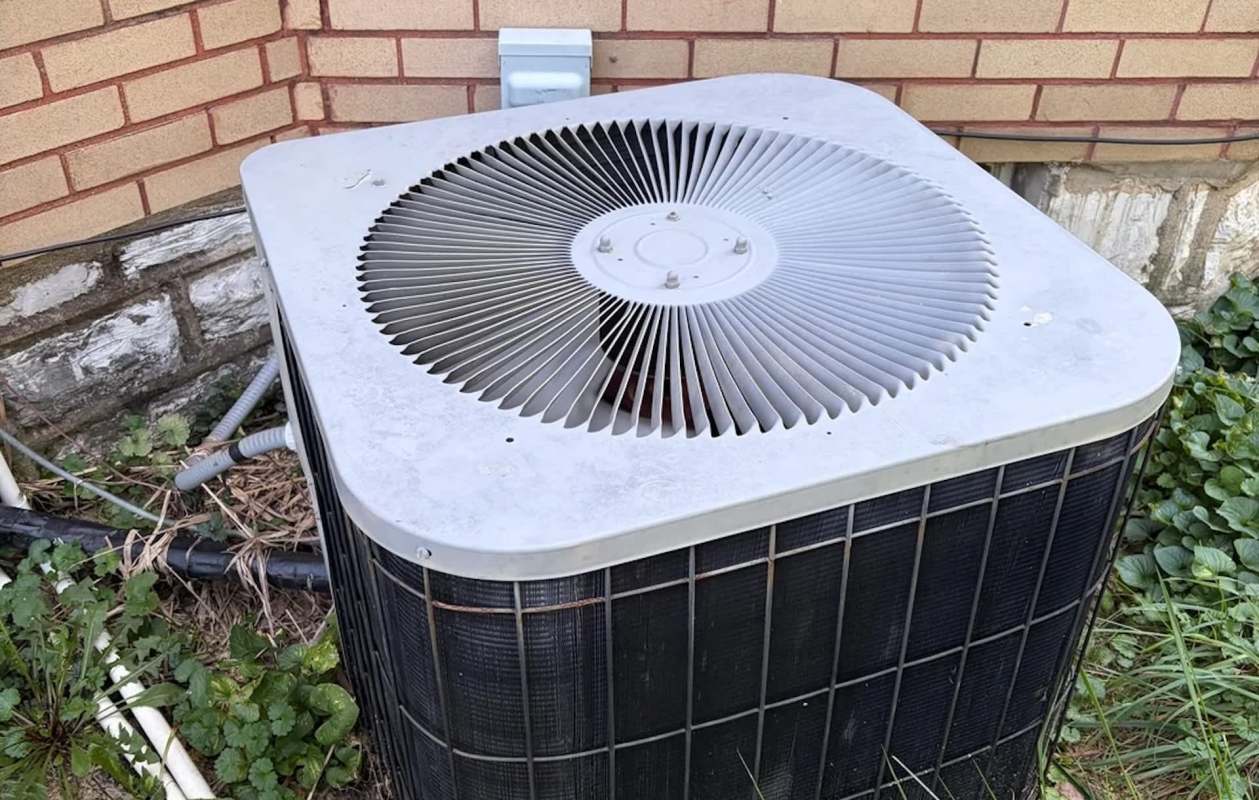
In a Reddit thread on r/hvacadvice, the homeowner described a setup with a basement gas furnace, three outdoor fan units, and attic equipment serving two upstairs zones, writing, "I currently pay about $500/ month for electric during the summer to keep the rooms we use to 72 degrees."
Rather than cooling the entire upstairs evenly, the homeowner said some bedrooms are deliberately allowed to stay much warmer, to around 84 Fahrenheit, to try to save money. Even so, they asked whether the equipment was simply too old or if moving to a heat pump would make more sense.
Instead of blaming the HVAC system alone, commenters said the bigger issue may be the house itself.
One wrote, "You have good equipment. If the AC is still blowing cool I'd focus on insulation or maybe windows."
Another said that although the system could be nearing 30 years old, "The new equipment is not going to cut your electric bills much," adding that replacement might cost over $20,000 while reducing summer power bills by only $50 to $100.
More background
Upgrading heating and cooling equipment is often one of the most effective ways to lower utility bills and protect against rising energy costs, but the building envelope matters just as much. In older homes, poor insulation, air leaks, overheated attics, and inefficient windows can force any AC system to labor far harder than it should.
That is especially important in a century-old brick home, where owners may be reluctant to make changes that compromise the original design.
Save $10,000 on solar panels without even sharing your phone number Want to go solar but not sure who to trust? EnergySage has your back with free and transparent quotes from fully vetted providers in your area. To get started, just answer a few questions about your home — no phone number required. Within a day or two, EnergySage will email you the best options for your needs, and their expert advisers can help you compare quotes and pick a winner. Solar panels can save you more than $50k over their 25-year lifespan, and EnergySage can help you save as much as $10k on installation. Which begs the question — isn't that worth an email or two? |

For homeowners trying to determine whether insulation, a heat pump, or a full system replacement makes the most sense, Palmetto can help homeowners understand their HVAC options and slash their energy bills with new, efficient HVACs and heat pumps. Palmetto's Comfort Plan network can help you find efficient heating and cooling solutions for your home and connect you with vetted installers.
The comments pointed to a common frustration: A home can have aging equipment that still works while the real source of energy loss comes from everything around it. That can make a straightforward equipment replacement a poor financial choice unless it is paired with broader efficiency upgrades.
What can be done?
The first step is often figuring out where cooled air is being lost. That can include checking attic insulation, sealing duct leaks, cleaning outdoor condensers, and replacing filters regularly before committing to a costly replacement. A home energy audit can also help identify which improvements are most likely to deliver the biggest return.
If replacement does make sense, Palmetto can also be part of that next step. If you're not ready to spend up front, the Comfort Plan includes $0-down options that can lower your heating and cooling costs by up to 50%. Palmetto Comfort Plans also include 12 years of free maintenance, which can help protect long-term savings.
Homeowners can also pair solar panels with electric appliances, including efficient HVACs, to drive utility costs down even further. EnergySage makes it easy to find the best solar system and installer for your home and budget, with potential savings of up to $10,000 on installations.
After getting that advice, the original poster replied, "Thank you to everyone who replied!" One commenter had also stressed, "Focus on insulation first. New equipment, you're gonna be sacrificing reliability for 'efficiency,' that's if other variables are correctly suited for it like insulation."
Where can I learn more?
These articles cover thermostat tricks, peak-hour cooling costs, phantom energy use, and a heat pump water heater upgrade.
• Homeowners are using fan and thermostat settings to stay cooler without cranking AC.
• Nest users say small thermostat tweaks can trim summer AC costs substantially.
• In California, families are avoiding pricey peak-hour cooling to blunt summer bill spikes.

Get TCD's free newsletters for easy tips, smart advice, and a chance to earn $5,000 toward home upgrades. To see more stories like this one, change your Google preferences here.






