


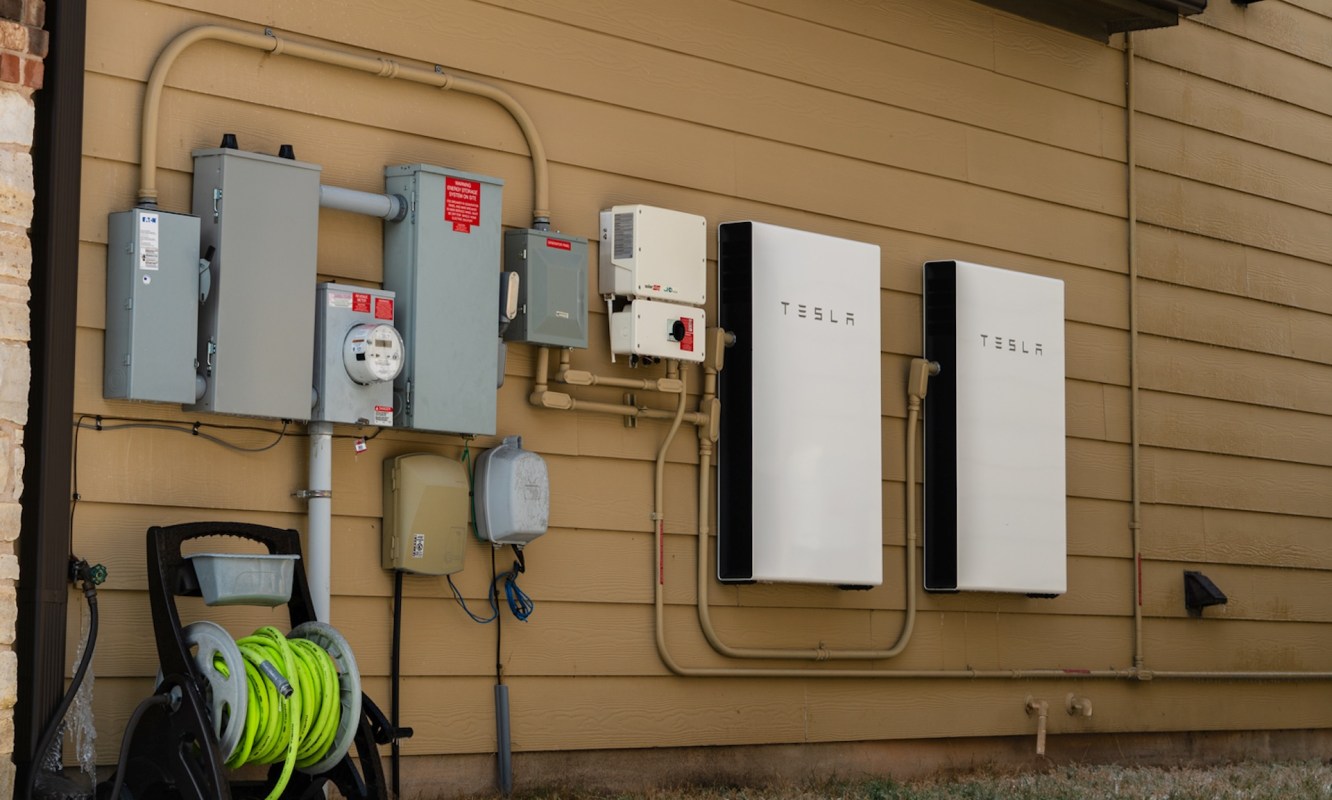
A Tesla Powerwall buyer went online looking for a simple answer after a site survey recommended installing the Tesla Powerwalls outside, but the homeowner believed them to be better inside.
The discussion highlights a common issue for homeowners investing in backup power, as installer preferences do not always align with what local code actually allows.
Here's what to know
In a discussion on Reddit's r/TeslaSolar, the original poster said: "He stated he wanted to put the PW's outside, I thought inside would offer better protection. Can you guys recommend the best place to store them?"
Commenters repeatedly pointed to local code and enforcement as the real deciding factor, rather than any universal Tesla rule.
One user said Tesla may still push exterior placement on its own jobs, writing: "If Tesla is doing the work, they have an internal policy to only install outside."
Another commenter said Tesla eventually acknowledged "their AHJ rules for my area were incorrect and fixed them internally."
Battery storage can protect a home during outages, save money on energy, and support off-grid use when necessary. A battery can store solar power or cheaper off-peak electricity for later use, helping homeowners avoid expensive peak rates while keeping essential appliances running during blackouts.
You can check out EnergySage's free tools for information about home battery storage options, including competitive installation estimates. Plus, EnergySage has teamed up with Qmerit to guarantee you get the best price. If you're not ready for a big investment, Pila's plug-and-play batteries cost a fraction of a whole home backup system.
Save $10,000 on solar panels without even sharing your phone number Want to go solar but not sure who to trust? EnergySage has your back with free and transparent quotes from fully vetted providers in your area. To get started, just answer a few questions about your home — no phone number required. Within a day or two, EnergySage will email you the best options for your needs, and their expert advisers can help you compare quotes and pick a winner. Solar panels can save you more than $50k over their 25-year lifespan, and EnergySage can help you save as much as $10k on installation. Which begs the question — isn't that worth an email or two? |

More background
"Inside or outside" is not just a matter of convenience. It can affect equipment exposure, garage space, permitting timelines, and peace of mind. Some homeowners prefer indoor placement because batteries and associated electronics may be better protected from heat, weather, and debris.
Garage installations may also come with extra requirements from the local authority having jurisdiction, which is often a city building department or fire official.
In the thread, one commenter said: "My city requires both heat detectors and sprinklers in the garage."
Another described a broader list of conditions: "The city just asks for solid core, self closing door leading into the house, can't be within X amount of feet of that door, and vehicle impact protection if required. The fire department requires both an interconnected heat detector and sprinklers."
What can be done?
Homeowners considering a Powerwall or similar system can protect themselves by asking for the exact code basis behind any installer recommendation. If a company says indoor installation is prohibited, it is reasonable to ask whether that rule comes from local code, fire department guidance, or internal company policy and to seek a copy to fully understand the ins and outs.
It may also help to speak directly with the local permitting office or inspector before approving a final design. Some buyers have found a disconnect between what sales or survey staff say and what officials will actually allow.
Where can I learn more?
These articles look at Tesla Powerwall alternatives, installation growth, rebates, battery earnings, and financing.
• A master electrician says the best next-gen alternatives to Tesla batteries changed his mind.
• California homeowners could make up to $1,500 a year by sharing battery power.
• Some homeowners can now get home backup batteries without paying upfront installation costs.

Get TCD's free newsletters for easy tips, smart advice, and a chance to earn $5,000 toward home upgrades. To see more stories like this one, change your Google preferences here.






