


For people trying to get more out of the awesome value of solar panels, seasonal changes can be a frustrating hurdle to predictability and consistency.
One Reddit user on the r/Ecoflow_community subreddit shared that challenge after shorter days and longer shadows started cutting into their small portable charging setup. With some quick thinking, though, they still managed to get more than 90% efficiency from a pair of portable panels.
Here's what to know
Writing on Reddit, the user said stored solar power from their stations covers a broad mix of daily loads, including kitchen devices, computer and internet gear, window fans, and charging batteries for tools.
In the post, they said that approach works for a lot of routine use, but becomes far harder to sustain once the sun sits lower and shading gets worse through the season.
"Even in the best of times I have shade issues for my solar panels, so longer shadows means it is more difficult to get my stations charged," they wrote. "I try to extend my usage season as long as possible (winter months, forget it - even my 20x400w rooftop solar panels won't keep up)."
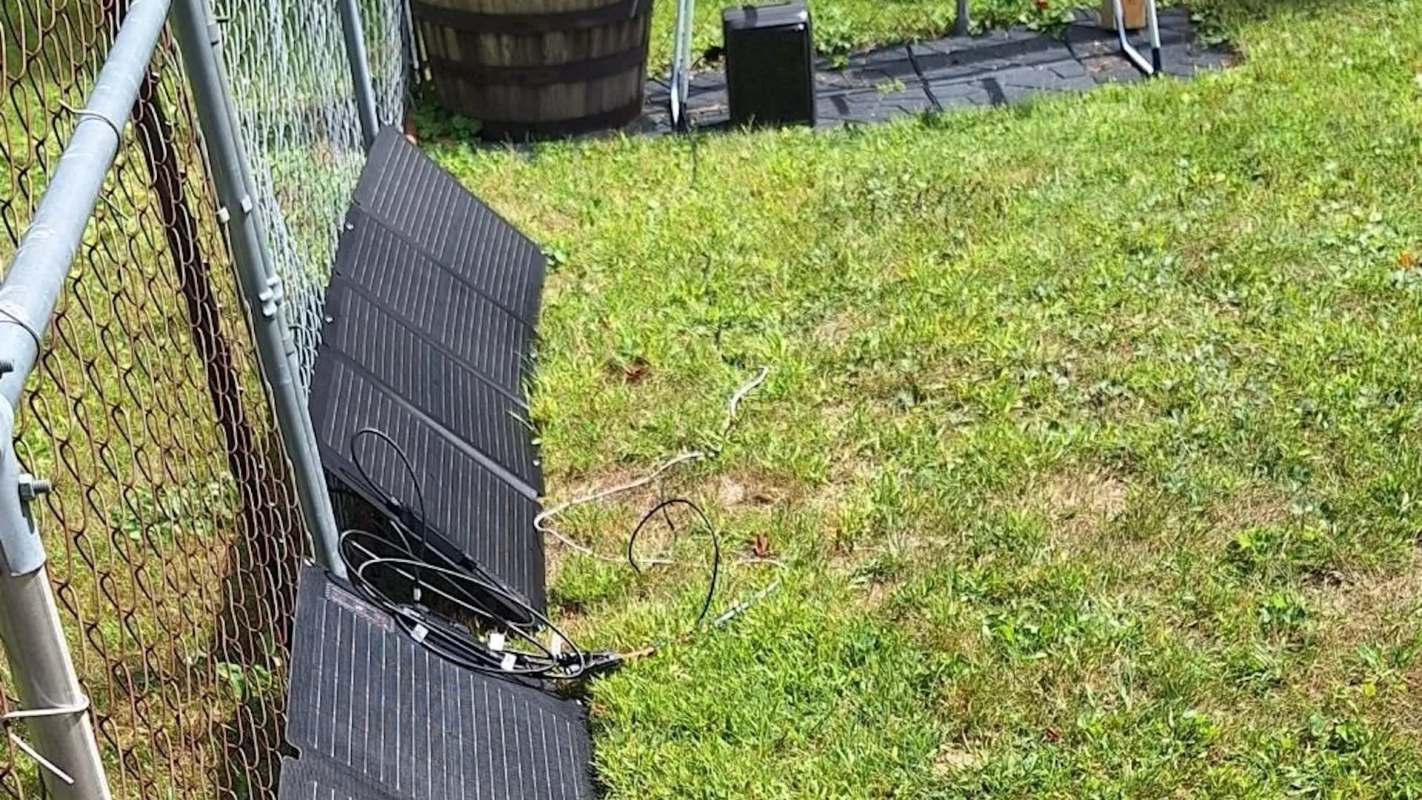
For this attempt, the poster set two 110-watt portable panels beside a fence with a roughly southern exposure and connected them in parallel to the Delta 3 Air.
TCD Picks » Quince Spotlight
💡These best-sellers from Quince deliver affordable, sustainable luxury for all




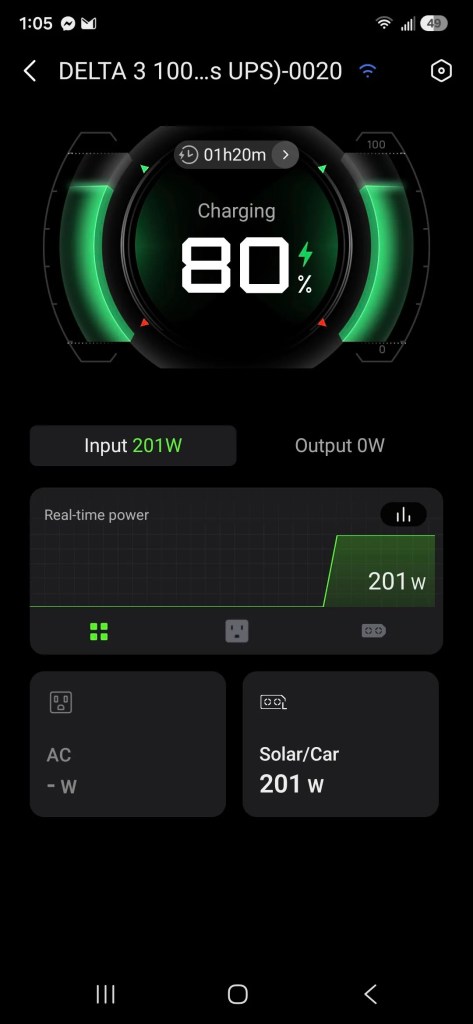
"Much to my delight, out of the possible 220w total production, I got a little over 200w," they revealed. "That translates to over 90% efficiency in 1 shot. Can't complain about that!"
Those results drew praise from commenters.
"That's excellent nominal efficiency," one wrote. "I once got 106W from two EF 60Wp folding panels, which is 88% of the theoretical maximum."
More background
Even well-designed systems can lose output when the sun sits lower in the sky, clouds roll in, or nearby trees and buildings cast longer shadows.
Portable panels can help bridge those gaps, especially for people who want to keep essential electronics, internet equipment, or small appliances running without pulling as much electricity from the grid.
Battery systems paired with solar can also offer benefits beyond direct savings. They can provide extra resilience during outages, help keep communication equipment powered during severe weather, and give households more flexibility as utility bills continue to rise.
For renters or homeowners who can't install an ideal rooftop setup, portable equipment can also offer a lower-commitment way to capture solar energy where and when sunlight is available.
What can be done?
Moving panels to a sunnier spot, adjusting their angle, and reserving them for priority devices can all improve real-world performance.
It can also help to be strategic about which devices get powered first. Internet gear, laptops, fans, and battery chargers typically use far less electricity than large heating or cooling appliances, making them practical candidates for stored solar energy.
Consumers considering this route may want to start with a small battery and portable panel combination, then expand if it meets their needs. That approach can reduce upfront costs while still providing backup power and some utility savings.
For anyone looking for more ways to reduce household energy use, options such as improving home efficiency or installing solar panels can complement a battery-based setup.
Where can I learn more?
Leveraging portable solar gear, addressing needed panel maintenance, and testing experimental solar designs are all tools to try to improve upon the results of a conventional setup.
• Homeowners are using portable solar panels to capture electricity without committing to rooftop installation.
• Dust, debris, and worn connections can quietly cut output until maintenance and cleaning happen.
• Engineers are testing fascinating solar designs that could fit places standard panels cannot.

Get TCD's free newsletters for easy tips, smart advice, and a chance to earn $5,000 toward home upgrades. To see more stories like this one, change your Google preferences here.






