


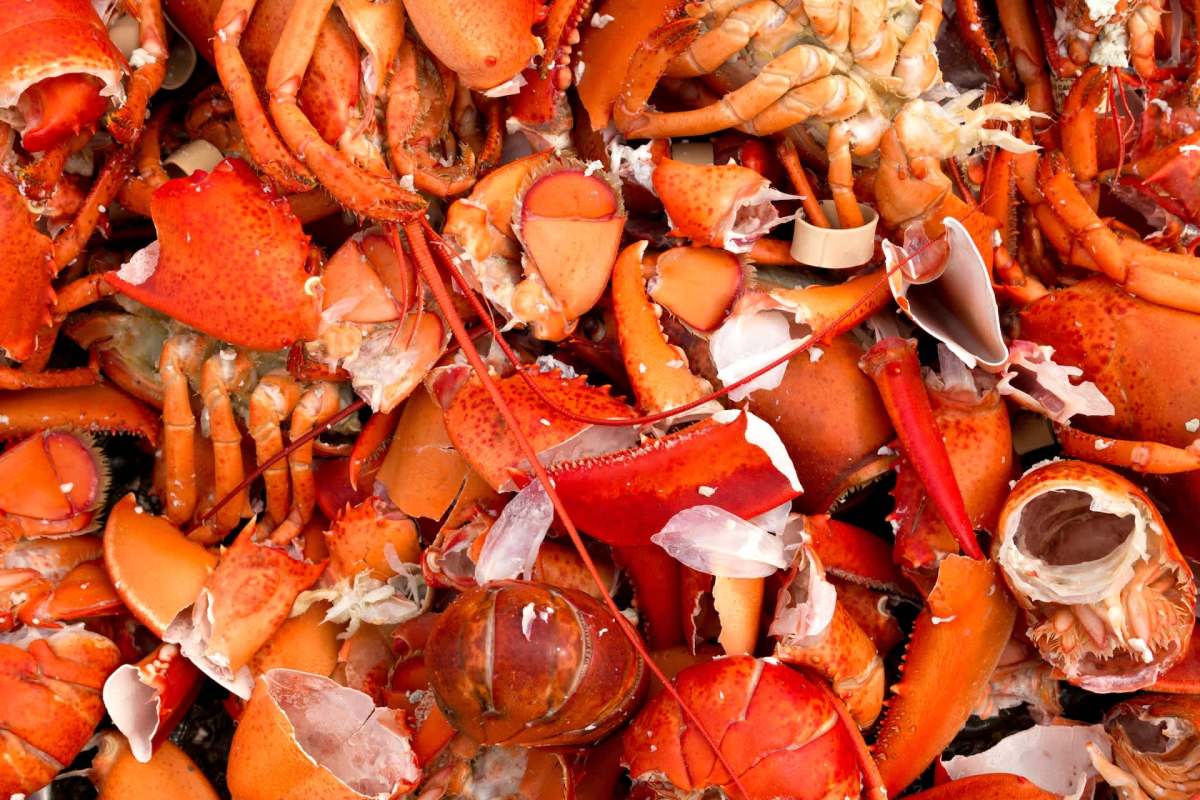
At the University of Maine, researchers are turning discarded lobster shells into golf tees, creating an unexpected product with potentially wide-reaching benefits for both the environment and the state's signature seafood industry.
Here's what to know
The golf tee project grows out of more than 10 years of University of Maine work focused on practical uses for shell waste from Maine's lobster business.
Maine's lobster industry generates about 50,000 tons of lobster shells each year, and some processors pay to have that material sent to landfills.
For this effort, Shucks Maine Lobster Company supplies the shells. Researchers dry them, crush them, mill them into powder, and screen that powder before combining it with other natural materials through a proprietary process that creates a rigid composite for golf tees and other products.
Researchers can also use natural food dyes to produce different colors, and they are testing the lobster-shell tees against standard wood and plastic versions.
More background
In the United States, more than 1 billion wooden golf tees are discarded every year.
TCD Picks » Quince Spotlight
💡These best-sellers from Quince deliver affordable, sustainable luxury for all




Plastic tees create a different issue: when they break, pieces can remain on courses, where they may harm wildlife and interfere with maintenance equipment. A tee made partly from shell waste could offer a more natural option in a product category often treated as disposable.
The project is also aimed at an economic problem. If a byproduct with little value can be turned into something marketable, processing facilities could lower disposal costs while creating new opportunities across the lobster supply chain.
Finding additional uses and markets for material already being produced could help strengthen Maine's blue economy.
What's being done?
The University of Maine team is working to determine whether the composite can stand up to real-world use.
One of the researchers involved is Gregory Simms, a materials science and engineering doctoral candidate and staff member at UMaine's Advanced Structures and Composites Center, who has been helping test and improve the material.
If the tees are durable enough, the material could have applications beyond golf. Researchers have already studied shell-based composites for agricultural uses, temporary applications, and other single-use items, pointing to broader potential as a replacement for some conventional plastics.
Products made from repurposed natural waste can help reduce reliance on virgin materials while supporting more circular manufacturing systems. For those looking to make similar choices in everyday life, choosing plastic-free options for everyday products can be a practical place to start.
Project lead David Neivandt described the goal by saying, "What we're doing in this project is using an underutilized waste material from the fishing industry, from the lobster industry. We are trying to create value-added products that can return revenues to those lobster fishermen as well as the processing facilities."
Where can I learn more?
These articles look at new materials and products made from shrimp shells, food scraps, and plastic waste.
• Researchers have turned shrimp waste into high-performance carbon material for water-cleaning systems.
• New York startup TOMTEX has raised funding for leather made from shrimp shells and coffee waste.
• Canadian company Genecis converts scraps into biodegradable plastics using bacteria instead of fossil fuels.

Get TCD's free newsletters for easy tips, smart advice, and a chance to earn $5,000 toward home upgrades. To see more stories like this one, change your Google preferences here.






