


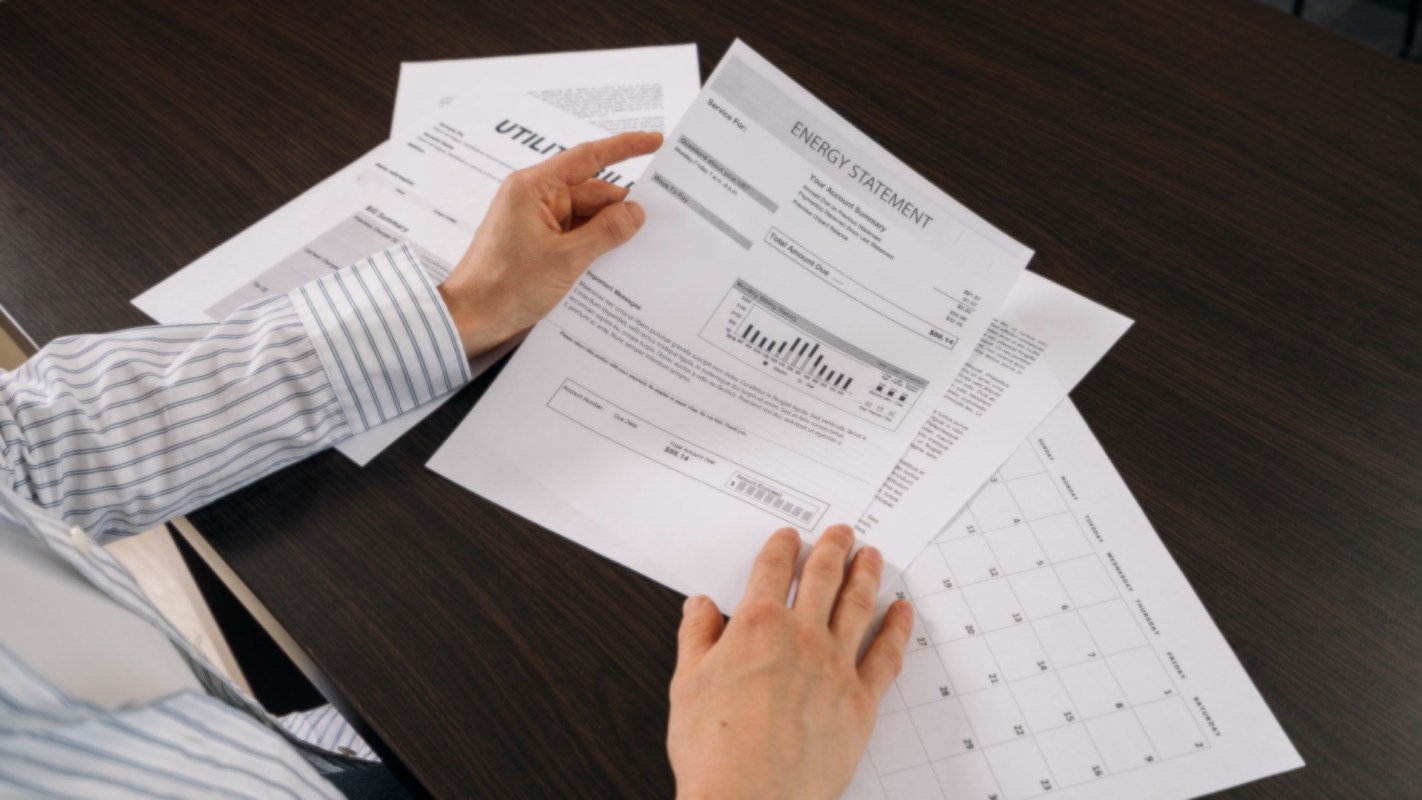
Several residents in Winnfield, Louisiana, say their monthly utility bills have been much higher than normal and are questioning whether the city is reading meters correctly after their charges reportedly fell when meters were checked a second time, according to KALB.
That left households in Winnfield pressing for answers about how their power use is being measured — and why one unexplained fee reportedly climbed into the hundreds of dollars.
Here's what to know
In Winnfield, complaints about steep monthly utility charges led residents to question whether the city's meter readings are accurate.
Customers reported that their totals fell after the city performed a second meter check.
Winnfield resident Brannon Hayes explained that the confusion has only grown because customers have struggled to get straightforward answers.
"Call the electric company, and you go up there, they say call city hall. Won't nobody give you an answer," Hayes told KALB.
Another source of frustration is a bill line labeled "PCA," which residents said hasn't been clearly explained.
"The PCA charge, I mean, they say it's a pass-through charge, but you start doing the math, and it just don't add up. I mean, your light bill, you use $86 worth of power and then your PCA charge is $255?" Hayes began.
Save $10,000 on solar panels without even sharing your phone number Want to go solar but not sure who to trust? EnergySage has your back with free and transparent quotes from fully vetted providers that can help you save as much as $10k on installation. To get started, just answer a few questions about your home — no phone number required. Within a day or two, EnergySage will email you the best local options for your needs, and their expert advisers can help you compare quotes and pick a winner. |

"Come on, there's got to be something wrong with that. You ask the mayor, and he says he don't know," he added.
For homeowners looking for longer-term ways to cut energy costs, going solar is one of the best ways to save money on home energy, and EnergySage provides free solar installation estimates and competitive quotes.
More background
Winnfield operates its own electric utility, and the city buys power through the Louisiana Electric Power Authority, or LEPA.
When fuel costs rise, LEPA's charges to the city increase too, and part of that added expense is then passed on to customers.
More From EnergySage
💡Go deep on the latest news and trends shaping the residential solar landscape


In that setup, a household's bill can climb even if residents' electricity use hasn't changed much.
Even so, residents demanded a clearer explanation of how those charges were calculated.
What can be done?
Consumers facing a bill that seems unusually high can ask for a meter re-read, compare the bill with previous months, and request a line-by-line explanation of unfamiliar charges.
In Winnfield, those steps have already led to lower bills for some residents.
It can also help to document everything, including account history, photos of the meter if possible, and the dates of calls or in-person visits.
If a utility uses pass-through fees such as a PCA, customers can ask how the charge is determined and whether the formula is publicly available.
For people considering bigger long-term savings, EnergySage's free services make solar shopping far easier.
Adding battery storage to a solar setup is also one of the best ways to protect your home during outages, save money on energy, and go off-grid. Homeowners can explore EnergySage for information about home battery storage options, including competitive installation estimates.
"The billing department is either messing up, pocketing, or lining their pockets; something is going on. I mean, we just want answers. Why? Why, and we can't get none?" Hayes told KALB.
Where can I learn more?
These stories look at how households and communities have lowered power bills through rebates, energy-saving habits, and solar upgrades.
• One homeowner found hidden energy vampires at home that were quietly driving up monthly costs.
• In Massachusetts, utilities launched an innovative heat pump discount that lowers monthly electric costs.
• Some homeowners say solar panels erased their bills and even pushed totals below zero.
• On Cape Cod, a government-backed solar program cut one homeowner's summer bills to nothing.

Get TCD's free newsletters for easy tips, smart advice, and a chance to earn $5,000 toward home upgrades. To see more stories like this one, change your Google preferences here.






