


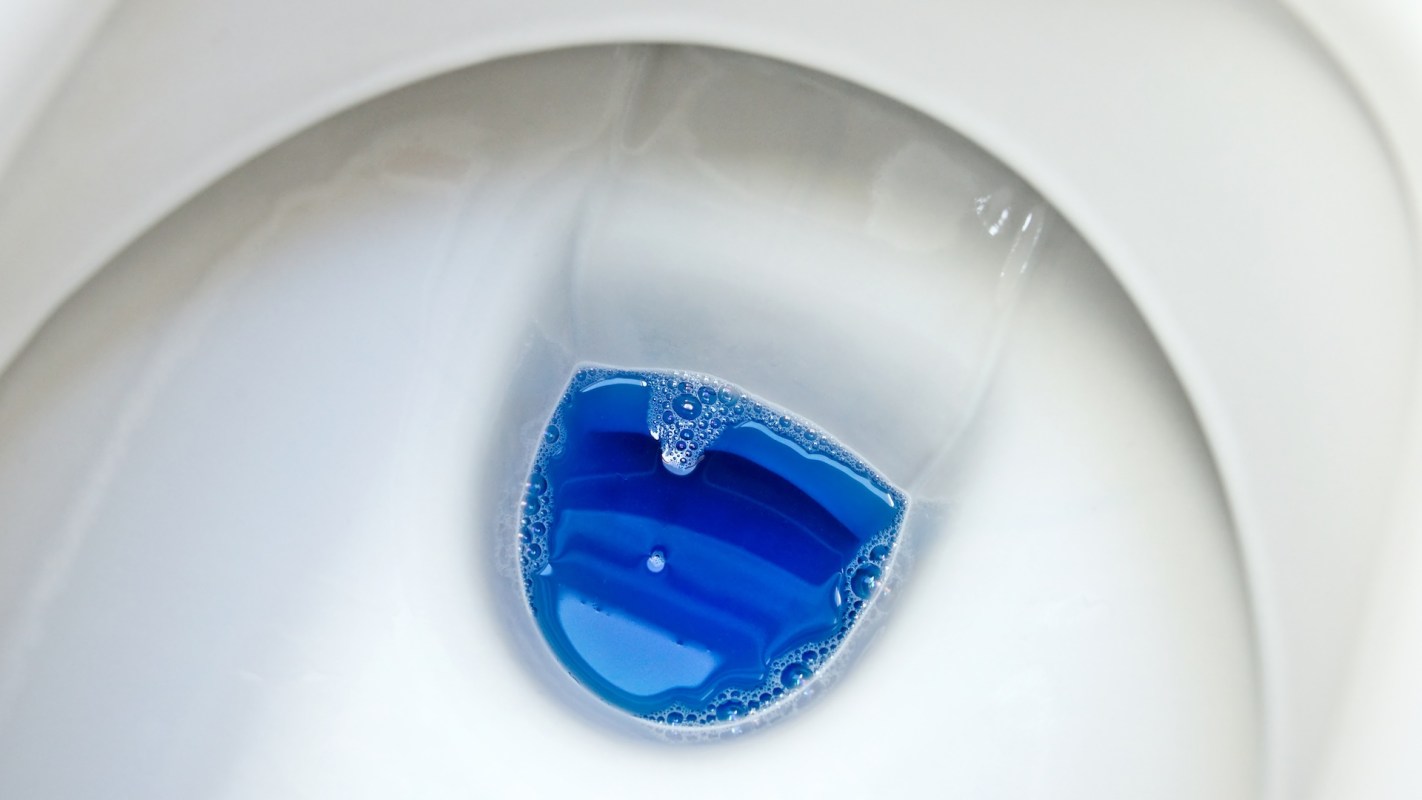
A product that dyes toilet water blue and cuts odor may make it easier for households to use less water by skipping some flushes after urinating. That apparent benefit, however, seems to fade once guests are in the picture.
A small study out of the United Kingdom found that many users were comfortable not flushing when using the pellet. The results suggest that concern about how others might react may matter more than the flushing habit itself.
Here's what to know
At the University of Surrey, researchers examined Wizso, a commercially available dissolvable pellet designed to turn toilet water blue and help mask odor. As reported, 20 adults in the U.K. used the product for a week, then discussed their experience in interviews.
Users mostly described the pellet as easy to adopt and responded positively overall. Several also said the blue water felt reassuring because it reminded them of bleach and toilet tank blocks.
That confidence was much weaker in social situations, though.
Sophia Shaw-Brown, a postgraduate research student, said: "We think that social expectations — the fear or stigma of what people might think of them if they were 'found out' not to flush — are a bigger problem than the habit of flushing itself. We found that our participants who lived alone were more than comfortable with leaving the toilet unflushed, and most were comfortable around partners, children and other family members. However, normal flushing resumed when guests arrived."
TCD Picks » Quince Spotlight
💡These best-sellers from Quince deliver affordable, sustainable luxury for all




In the U.K., toilet flushing makes up nearly one-quarter of household water use, and a single flush uses 4 to 13 liters (1.1 to 3.4 gallons) of drinking-quality water.
More background
With people typically flushing about six times per day, that works out to roughly 25 to 80 liters (6.6 to 21.1 gallons) of water per person each day just for flushing.
Social concerns remained a major limitation. Participants said they were much more likely to return to normal flushing when guests were visiting because they worried about being judged for their hygiene, and researchers said female participants automatically flushed when menstrual blood was visible despite their environmental intentions.
The U.K. water industry is trying to lower average individual water use from 145 liters (38 gallons) a day to 110 liters (29 gallons) while also confronting a projected freshwater gap of 5 billion liters (1.3 billion gallons) per day by 2050.
What can be done?
The study points to one way to cut water use at home: reducing unnecessary flushing after urinating, especially when no one else is using the bathroom. Products like toilet pellets may help some households feel more comfortable doing that by masking odors and changing the water's appearance.
Researchers said people were more likely to stick with conservation habits when a product fit easily into everyday routines and addressed emotional barriers such as embarrassment or disgust.
The research suggests there may be room for more low-tech, behavior-friendly tools to save water.
Where can I learn more?
These stories share toilet water-saving tricks, DIY fresheners, and simple ways to unclog a toilet.
• A DIY dad shared a water-saving hack that helps toilet bowls refill faster after flushing.
• A homeowner mixed DIY fizzy toilet bombs that freshen the bathroom in seconds.
• A plumber demonstrated a quick toilet fix that cleared a blockage in seconds.

Get TCD's free newsletters for easy tips, smart advice, and a chance to earn $5,000 toward home upgrades. To see more stories like this one, change your Google preferences here.






