


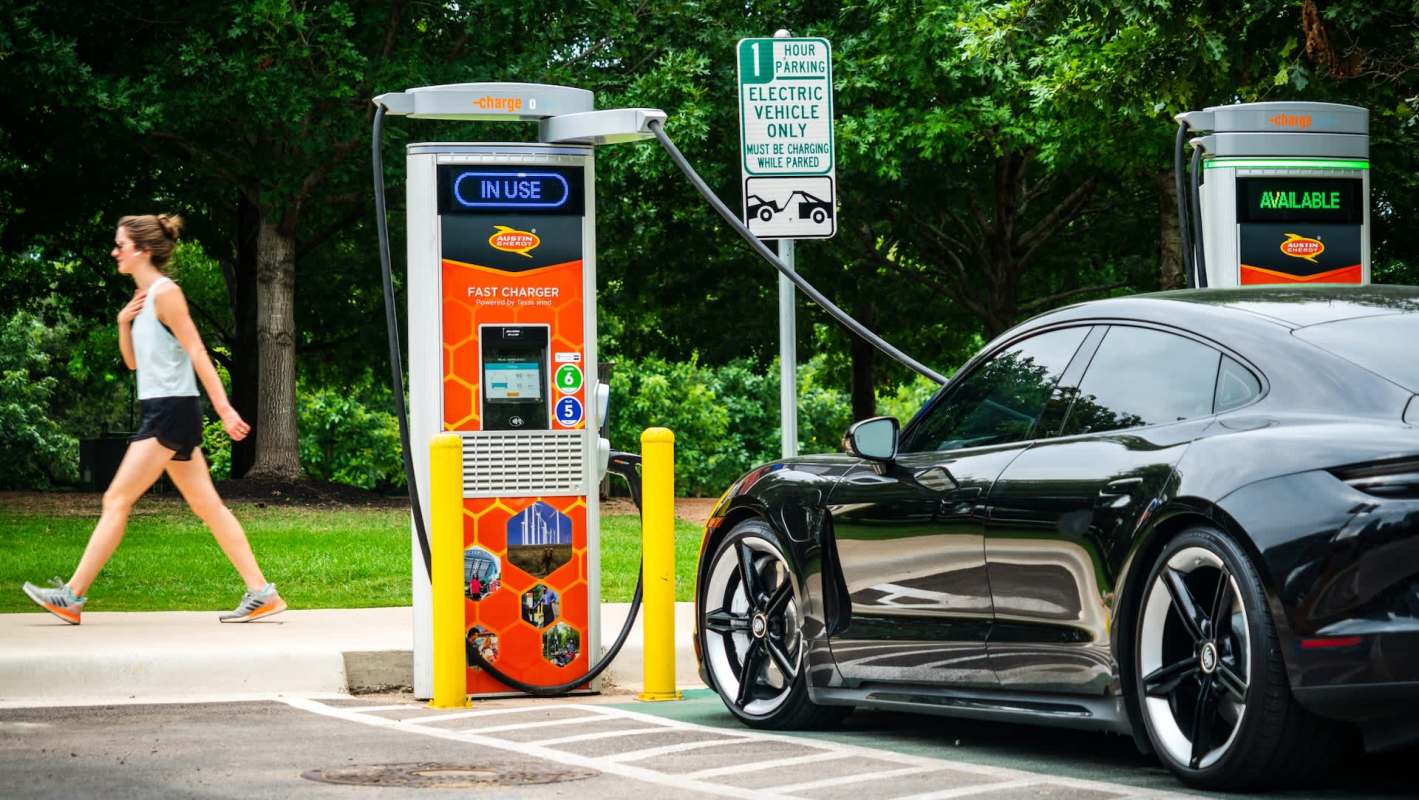
While electric vehicle demand may not be drawing the same level of hype, drivers are still plugging in.
A new ChargePoint report suggests that motorists are using public chargers faster than new ones are being installed.
Here's what to know
As Ars Technica detailed, ChargePoint's 2025 data showed charging sessions climbed 34%, while new charger installations grew only 16%.
Taken together, those figures indicate that U.S. charging expansion still is not keeping pace with EV use.
At the same time, the market is still moving ahead. Ars Technica noted that analysts said EV sales had already exceeded 1.8 million by the end of August, while rising fuel prices are pushing more U.S. drivers to take another look at EVs they may have dismissed before.
ChargePoint CEO Rick Wilmer argued that the EV market is robust in comments to the outlet.
TCD Picks » Quince Spotlight
💡These best-sellers from Quince deliver affordable, sustainable luxury for all




"All in all, things are moving forward," he assessed. "I think the North American market has been better shaped than a lot of the press reports."
More background
The report captures a tension that has defined the EV transition. Interest is growing, but infrastructure remains uneven. That uneven build-out especially affects people who cannot easily charge at home, including apartment renters, condo residents, and drivers who rely on charging during road trips.
Wilmer pointed to signs that demand is holding steady.
"Part of it is just the data we see in terms of the amount of RFPs [request for proposals] that we receive for charging solutions," he told Ars Technica. "They haven't slowed down. We reported quarter-over-quarter growth in the last quarter we reported. And you look at the data around used EVs going up in price because the demand is so high."
One of the clearest figures he cited to the outlet was retention, according to a JD Power study.
"I saw a recent report … EV retention rates are 96%," Wilmer added. "So those folks that are putting their leased cars on the used market, they're not going back to gas — they're going to another EV."
What's being done?
Even with installation growth trailing usage, ChargePoint's numbers suggest businesses, property owners, and other groups are still pursuing additional charging projects. Wilmer suggested to Ars Technica that demand for charging solutions has remained active, signaling continued planning and investment rather than a market freeze.
Wilmer also pointed to affordable EV offerings as a sign of where future charging demand could come from. He cited lower-cost electric trucks from Slate and Ford as evidence that automakers are getting closer to the kinds of EVs that North American shoppers actually want.
"When you look at how much interest there is in the used EVs that are at parity with an equivalent gas vehicle, that tells you the appetite is there for EVs if it's the right vehicle at the right price point," Wilmer told the outlet.
The decision may come down less to whether EVs are catching on than to whether charging access fits into a daily routine. As more lower-cost models and used EVs enter the market, the convenience of home, workplace, or nearby public charging could tip the balance.
Where can I learn more?
Home charging is still the gold standard for EV drivers, but drivers and municipalities are getting creative to find solutions when home charging isn't feasible.
• Boston is using an experimental method to add curbside chargers in dense neighborhoods.
• Across the U.S., charging where you park matters more to drivers than range.
• For many EV owners, home charging solution preferences shape everyday convenience more than public networks.

Get TCD's free newsletters for easy tips, smart advice, and a chance to earn $5,000 toward home upgrades. To see more stories like this one, change your Google preferences here.






