


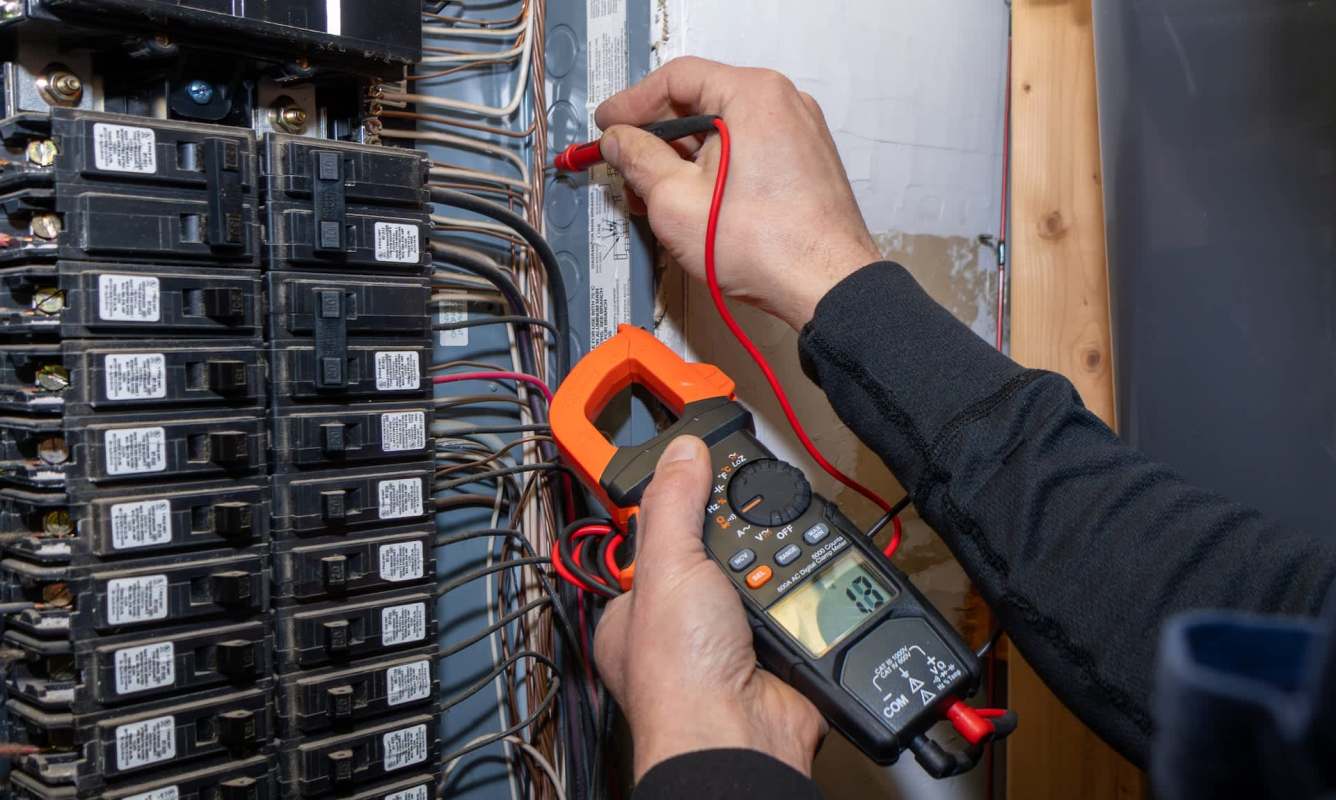
Inaccurate listings can cost homebuyers time, money, and trust.
One homebuyer said they thought they were purchasing a four-bedroom house with 200-amp electrical service, only to discover after inspections and follow-up calls that the property was legally a three-bedroom home with 100-amp service instead.
Here's what to know
The buyer wrote in a post to Reddit's r/RealEstate forum that the problems surfaced after they were already under contract and beyond their contingency deadlines.
According to the post, the home had been marketed on the MLS and Zillow as a four-bedroom house with 200-amp service, but the buyer later said it was legally a three-bedroom property with 100-amp service.
Because the buyer's state bases legal bedroom count on septic capacity, the septic system became central to the dispute. They said 2006 design plans seemed to indicate a four-bedroom expansion, yet a second septic inspection found "there is a drywell instead of a leach field and therefore it was never upgraded."
When the buyer sought help with the electrical mismatch, the seller agreed to cover part of the expenses (about half), but certainly not all of it.
TCD Picks » Quince Spotlight
💡These best-sellers from Quince deliver affordable, sustainable luxury for all




The original poster then asked the Reddit community, "Is there any legal recourse for false information in the listing?"
Commenters on the thread largely agreed that the buyer's strongest practical option was negotiation, rather than an easy legal victory. One commenter put it bluntly, explaining, "Your leverage is that you can walk and likely use all this to get your earnest money back."
Others cautioned that even earnest money disputes can become drawn out and complicated.
Some commenters also noted that standard listing disclaimers may offer little reassurance when the disputed details are material to the transaction. As one commenter wrote, "You can't disclaimer yourself out of material misstatements."
Another user added, "You have the ability to walk, if you do not like the results of the negotiations, do not move forward." But OP's position was just as clear when they added, "We do not want to walk at this point!"
More background
Bedroom count can affect a home's value, resale potential, insurance considerations, and whether a septic system is being used within legal limits. Electrical service can also be a major factor, particularly for households planning renovations, appliance upgrades, or future additions such as EV chargers.
When listings misstate details tied to wastewater capacity or core infrastructure, the consequences can extend beyond a single sale.
Buyers can (and should) independently verify major property details rather than relying solely on a listing sheet. That can mean checking septic permits and system records with the appropriate local authority, confirming the legal bedroom count, and asking an electrician or the power utility to verify service amperage if it is important to future plans.
Getting numbers in writing can also strengthen discussions once a problem is uncovered. Here, the buyer said their realtor passed along both electrical quotes to the seller, giving the parties at least some basis for partial concessions.
Where can I learn more?
These stories look at buyers and tenants dealing with omitted details, misleading listings, and electrical disputes.
• First-time homebuyers became heartbroken over balcony restrictions that surfaced after the listing.
• In Staten Island, one buyer sounded the alarm over photoshopped listing images.
• An EV owner fought an HOA over shared charger costs after neighbors objected.

Get TCD's free newsletters for easy tips, smart advice, and a chance to earn $5,000 toward home upgrades. To see more stories like this one, change your Google preferences here.






