


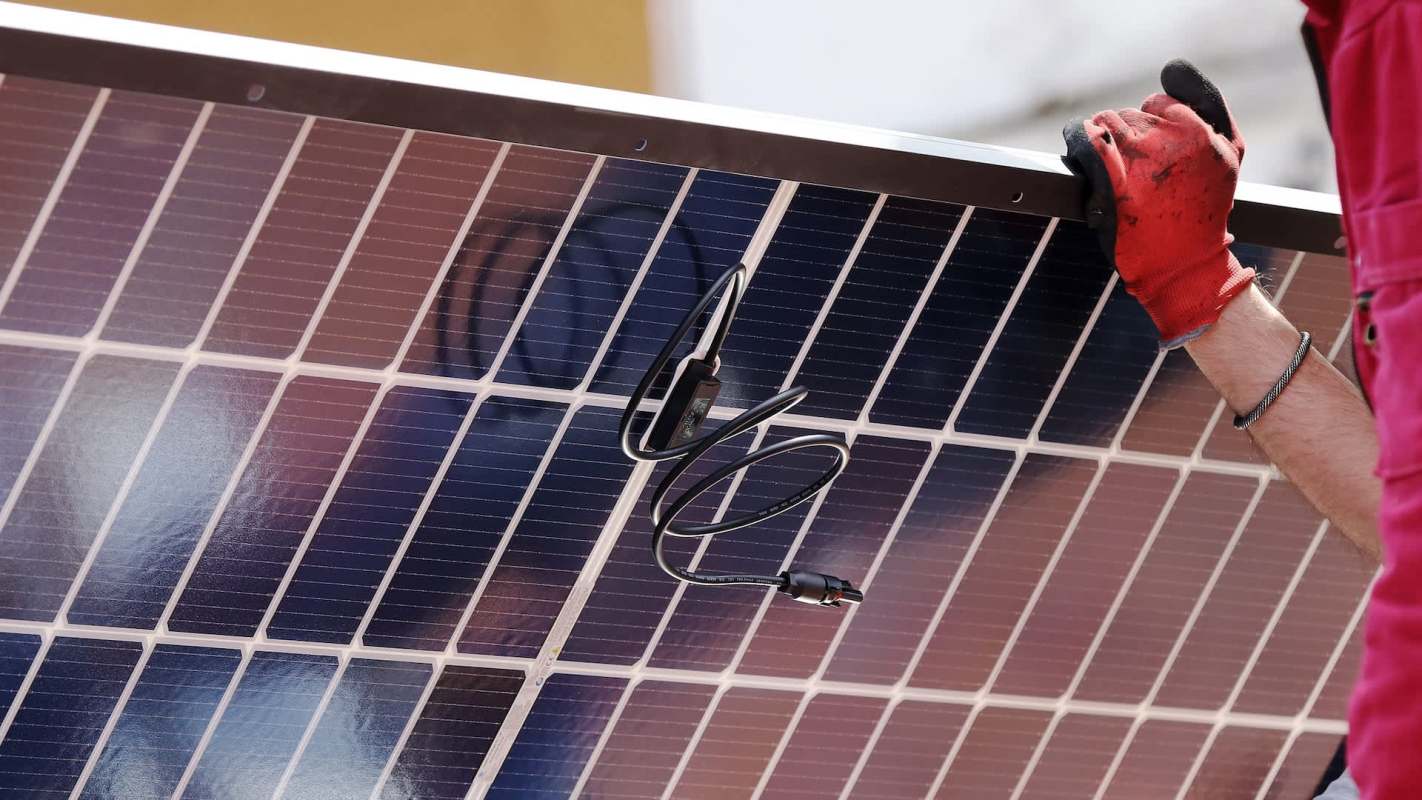
A homeowner planning a DIY solar setup sparked a useful debate after laying out a careful, low-cost way to test three possible panel locations before committing to a full installation.
In a Reddit thread in r/SolarDIY, the poster said they were considering a trial run: putting one panel in each possible location and tracking the results for a few months before deciding how large the full system should be.
Here's what to know
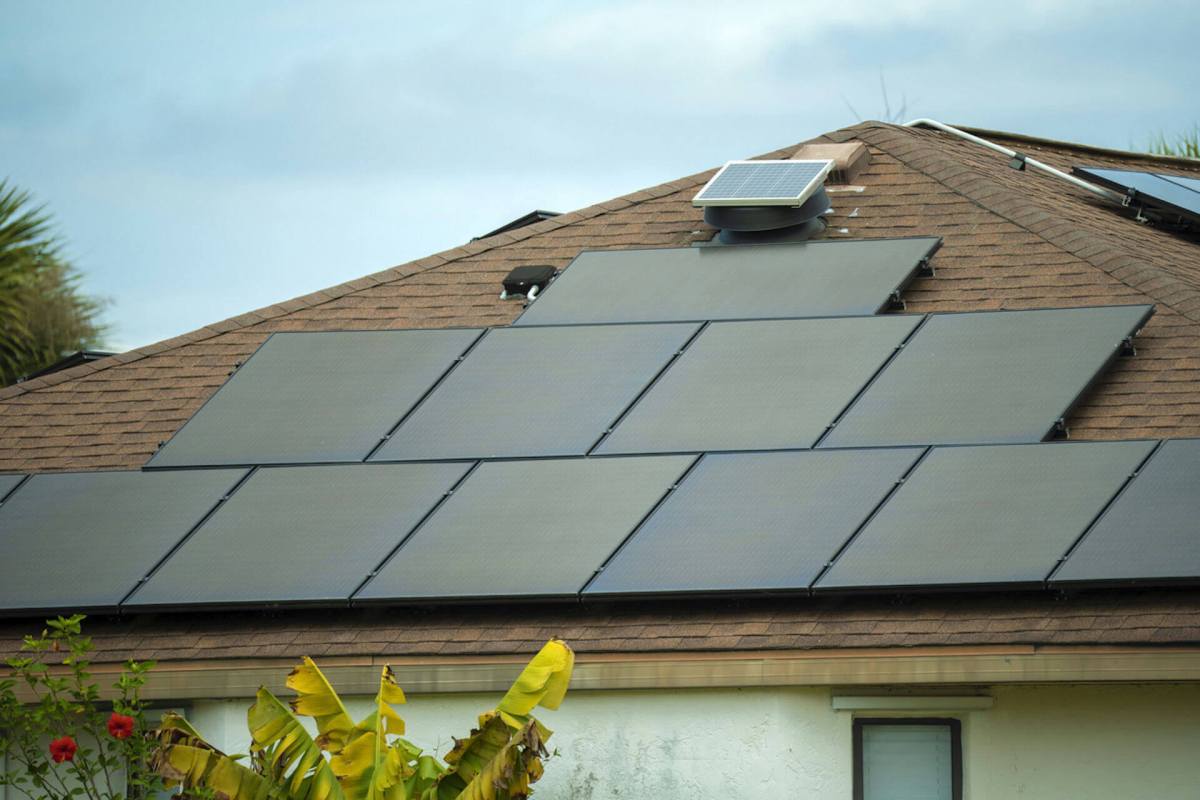
Because meeting the home's current electric demand may require panels across "three locations (two roof pitches, one ground)," the poster said it was not easy to estimate the eventual array size. With each area offering different tilt and sky access, they wanted production data from the actual sites before making a larger purchase.
To get that information, they planned to buy three panels and spread them across the possible mounting spots for monitoring.
"This should give me some good insights into the production of each location and let me plan out the size of my array accordingly," they wrote.
Not everyone thought the experiment was necessary.
"Just buy all the panels you can fit/afford, they are cheap, stop being an optimizer (often called a maximizer), one who seeks the absolute best possible choice by analyzing every option, instead be a satisficer, one who chooses the first option that meets their threshold of 'good enough,'" one commenter wrote.
Other replies suggested outside mapping tools and installer-grade modeling instead.
Save $10,000 on solar panels without even sharing your phone number Want to go solar but not sure who to trust? EnergySage has your back with free and transparent quotes from fully vetted providers that can help you save as much as $10k on installation. To get started, just answer a few questions about your home — no phone number required. Within a day or two, EnergySage will email you the best local options for your needs, and their expert advisers can help you compare quotes and pick a winner. |

"Have you checked projectsunroof for your address?" one commenter asked. "My output varies wildly by month and season."
Going solar is one of the best ways to save money on home energy, especially if you are trying to lower a steep monthly utility bill. If you're considering the switch, you can explore EnergySage to get free solar installation estimates and compare quotes.
More background
When that suggestion came up, the poster replied that projectsunroof was "a bit out of date" for their property because landscaping changes had improved roof exposure and opened more ground space. Solar estimates can shift when shade patterns change, trees come down, or site conditions change.
A small test like the one they described can reveal whether a section of roof that looks promising on paper consistently produces less power in daily use, potentially helping someone avoid overspending on a layout that underdelivers in practice.
More From EnergySage
💡Go deep on the latest news and trends shaping the residential solar landscape


Several commenters also emphasized that professionals already use imaging and design software for this type of assessment.
"I always recommend getting a few professional quotes. They have tools and experience and will give you a good idea where to start," one commenter wrote.
What can be done?
Free comparison tools can make that process much easier. EnergySage's solar map and related resources can help readers compare options.
Adding battery storage to a solar setup is one of the best ways to protect your home during outages, save money on energy, and go off-grid. It can also let homeowners store extra electricity for later instead of relying entirely on live production. You can explore EnergySage for information about home battery storage options, including competitive installation estimates.
Where can I learn more?
These stories look at solar installation costs, discounted used panels, and tax credits.
• Former EnergySage COO Charlie Hadlow broke down solar panel costs for homeowners weighing an installation.
• On Facebook Marketplace, solar-curious homeowners found eye-popping deals for solar that slashed upfront costs.
• On Reddit, a homeowner learned that up to $9,000 off could hinge on timing.

Get TCD's free newsletters for easy tips, smart advice, and a chance to earn $5,000 toward home upgrades. To see more stories like this one, change your Google preferences here.






