


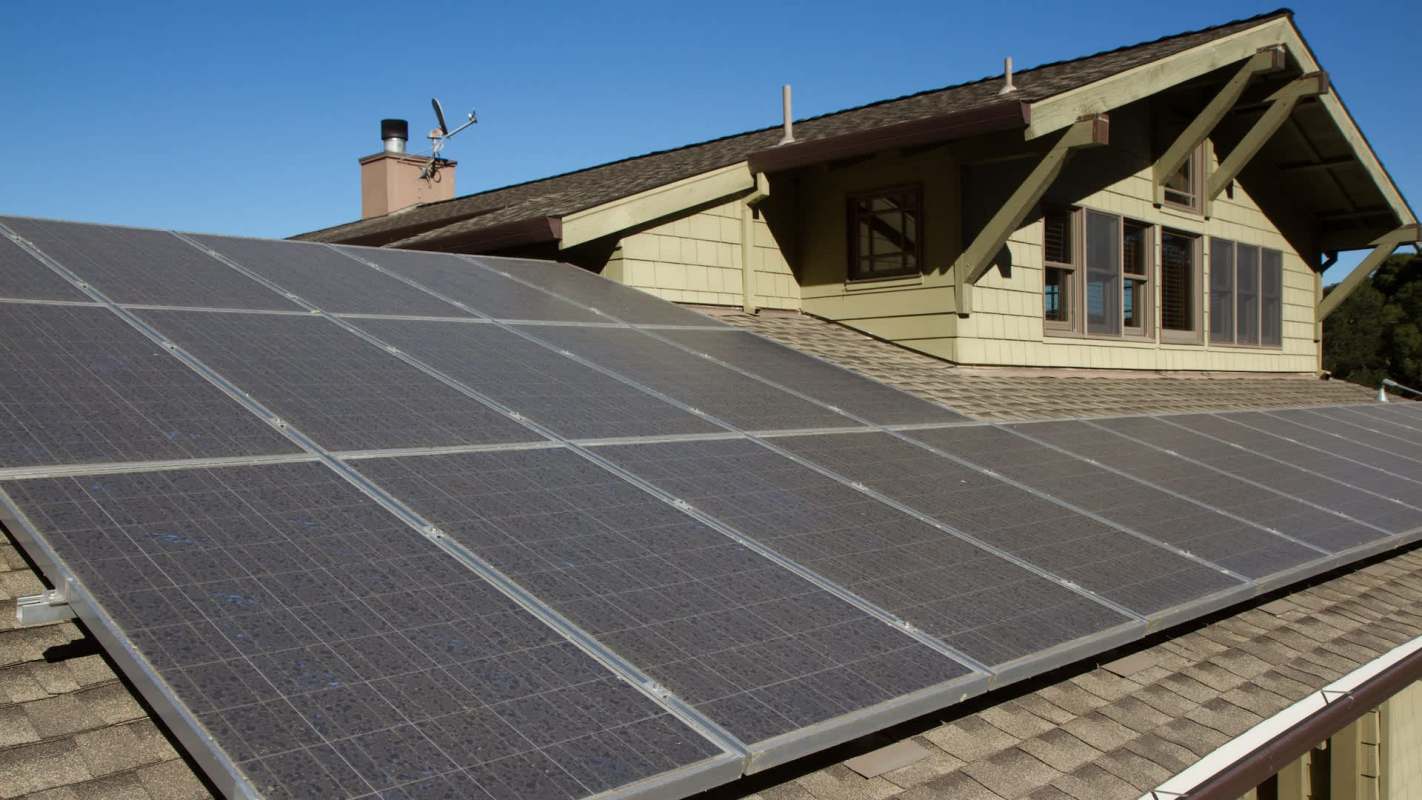
A U.K. homeowner's 15-year update on rooftop solar is offering the kind of real-world data many shoppers wish they had before making a major energy decision.
Here's what to know
In a Reddit thread, the original poster said the system had produced about 51.4 megawatt-hours over 15 years, which works out to roughly 9.4 kilowatt-hours per day on average. The array consists of 16 west-facing 250-watt panels, and the homeowner added that during their first full summer with an EV, the car was "charged solar-only from mid May to the end of August."
The setup is west-facing rather than ideally south-facing, and it also lost much of one spring's output after an inverter failure went unnoticed until a quarterly meter reading.
The panels were cleaned for the first time in November, when bird skirts were also installed, and when asked whether the cleaning increased production, the original poster replied, "It's really hard to tell!"
Going solar is one of the best ways to save money on home energy, particularly for households that can use more of their own electricity during the day. If you're weighing the upfront cost, you can explore EnergySage to get free solar installation estimates and compare quotes.
More background
The original poster also shared quarter-by-quarter figures showing stronger generation after cleaning, though weather may have played a role as well.
"A clean every few years is enough usually. If you have lots of trees around or dusty traffic they will need a clean more regularly," one commenter wrote.
Another commenter said adding storage alongside a cheap overnight tariff made a major difference for their home, writing, "For me, it's definitely worth it."
Save $10,000 on solar panels without even sharing your phone number Want to go solar but not sure who to trust? EnergySage has your back with free and transparent quotes from fully vetted providers that can help you save as much as $10k on installation. To get started, just answer a few questions about your home — no phone number required. Within a day or two, EnergySage will email you the best local options for your needs, and their expert advisers can help you compare quotes and pick a winner. |

Still, the original poster said that with a 5p night rate and a roughly £6.5k (~$8,703 USD) price for a 10-kilowatt-hour battery, financing or forgone-interest costs would come to about £1 ($1.34) per day.
What can be done?
Tools such as EnergySage's solar map show the average cost of a home solar panel system on a state-by-state level, as well as details on solar panel incentives for each state. Together, those resources can help readers get the best price for rooftop solar panels and access available incentives.
EnergySage's free services can also make the shopping process feel less overwhelming. With EnergySage's help, the average person can save up to $10,000 on solar purchases and installations. That kind of quote comparison can be particularly useful when long-term performance stories like this one show how much value a well-sized system may deliver over time.
Adding battery storage to a solar setup is one of the best ways to protect your home during outages, save money on energy, and go off-grid. It can also help households store extra solar power for later use or shift cheaper electricity into pricier hours. Explore EnergySage for information about home battery storage options, including competitive installation estimates.
More From EnergySage
💡Go deep on the latest news and trends shaping the residential solar landscape




Where can I learn more?
These articles cover home solar savings, the U.K.'s installation boom, efficient new panels, and adoption hurdles abroad.
• Across U.S. homes, cost savings from rooftop solar can reach roughly $700 each year.
• In the U.K., solar panels are going up at record rates after policy changes.
• Maxeon says next-gen solar can slash household bills with some of 2025's most efficient panels.
• In the Philippines, trustworthiness of providers remains a major hurdle for home solar adoption.

Get TCD's free newsletters for easy tips, smart advice, and a chance to earn $5,000 toward home upgrades. To see more stories like this one, change your Google preferences here.






