


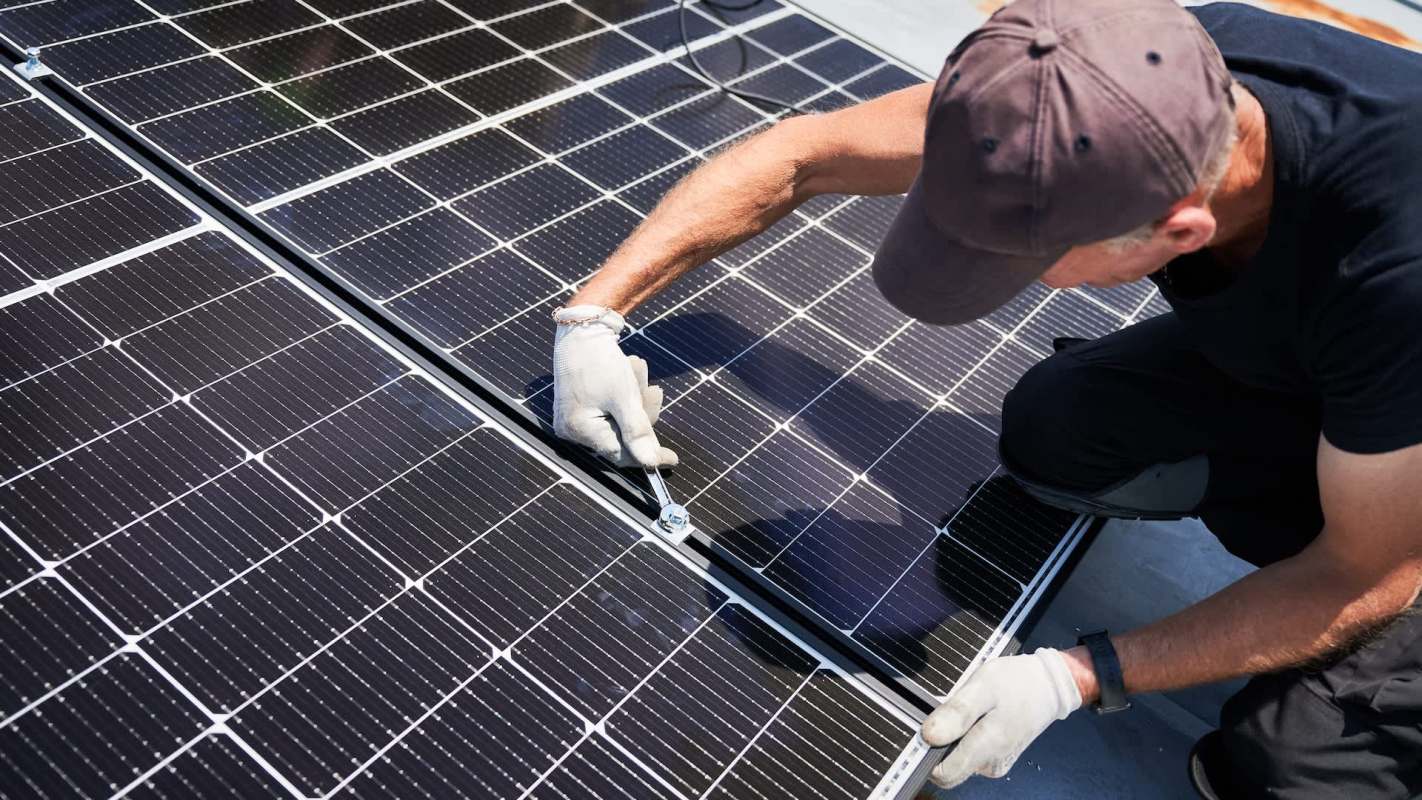
A California homeowner hoping to copy a friend's 6-kilowatt solar setup sparked a practical debate online after asking whether it was worth paying an extra $3,000 for a dedicated solar contractor or if a licensed electrician could handle the job for less.
The discussion points to a broader financial question for homeowners trying to lower utility bills without overpaying for equipment, permits, or labor.
Here's what to know
In a thread on r/solarenergy, the original poster said they received solar plans from someone they knew in a neighboring town and wanted to duplicate that installation. They asked whether an electrical contractor alone could take on the project, saying, "I'm basically trying to get the same exact system (6kw)," while also questioning whether buying the components themselves could help them avoid contractor markup.
A commenter said the key question was familiarity with local rules, not the size of the system.
"If your electrician is licensed and familiar with California solar code & interconnection rules, they can absolutely handle this 6kW install," the commenter wrote. "The $3000 fee mainly covers the solar contractor's design and permit coordination work. If your electrician can manage paperwork, you may skip hiring a solar contractor."
Homeowners who want the best deal can explore EnergySage to get free solar installation estimates and compare quotes before choosing an installer or system design.
More background
Even when two homes are near each other, the right solar plan can change based on roof structure, main panel needs, battery plans, and local permitting requirements. Commenters also noted that a grid-tied system would still need a permit, and that being in a nearby town does not guarantee the same roof structure.
The financial upside may still be meaningful, particularly for a homeowner who already has an electrician available and wants to avoid hefty equipment markups.
Save $10,000 on solar panels without even sharing your phone number Want to go solar but not sure who to trust? EnergySage has your back with free and transparent quotes from fully vetted providers that can help you save as much as $10k on installation. To get started, just answer a few questions about your home — no phone number required. Within a day or two, EnergySage will email you the best local options for your needs, and their expert advisers can help you compare quotes and pick a winner. |

One user argued, "You're gonna pay like a 2X mark up at a minimum if anyone sources the stuff for you."
But commenters said some of the added contractor price may reflect roof penetrations, paperwork, and coordination work that a standard electrician may not regularly handle.
What can be done?
Homeowners trying to cut costs may want to start by collecting multiple quotes and asking exactly who would handle the design, permits, roofing work, and interconnection paperwork. An option that looks cheaper at the outset may lose its appeal quickly if the job creates roof problems.
Adding battery storage to a solar setup is one of the best ways to protect your home during outages, save money on energy, and go off-grid. Homeowners interested in backup power can also explore EnergySage for information about home battery storage options, including competitive installation estimates.
More From EnergySage
💡Go deep on the latest news and trends shaping the residential solar landscape

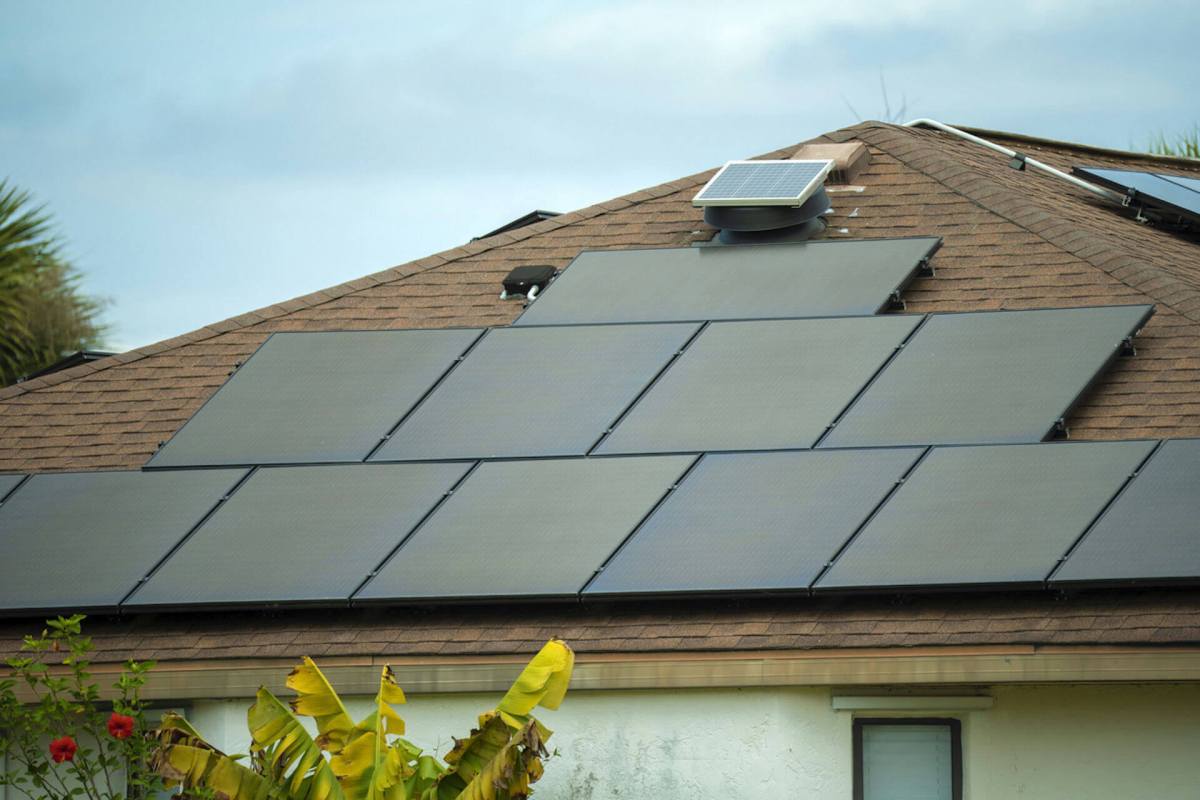

Free comparison tools can make a major difference when prices vary widely from installer to installer. With EnergySage's help, the average person can save up to $10,000 on solar purchases and installations. EnergySage's solar map shows the average cost of a home solar panel system by state, along with solar panel incentives for each state, helping shoppers find the best price for rooftop panels and access available savings.
Where can I learn more?
These stories look at solar quotes, tax credits, and utility bill outcomes.
• Near Chicago, a homeowner saw incentives cut the net cost on a $37,000 solar quote below $18,000.
• A homeowner learned tax credits could still knock as much as $9,000 off installation costs.
• One solar owner found his utility bill dropped to negative $500 after installation paid off.
• A new homeowner's first power bill hit $420 even with rooftop panels already installed.

Get TCD's free newsletters for easy tips, smart advice, and a chance to earn $5,000 toward home upgrades. To see more stories like this one, change your Google preferences here.






