


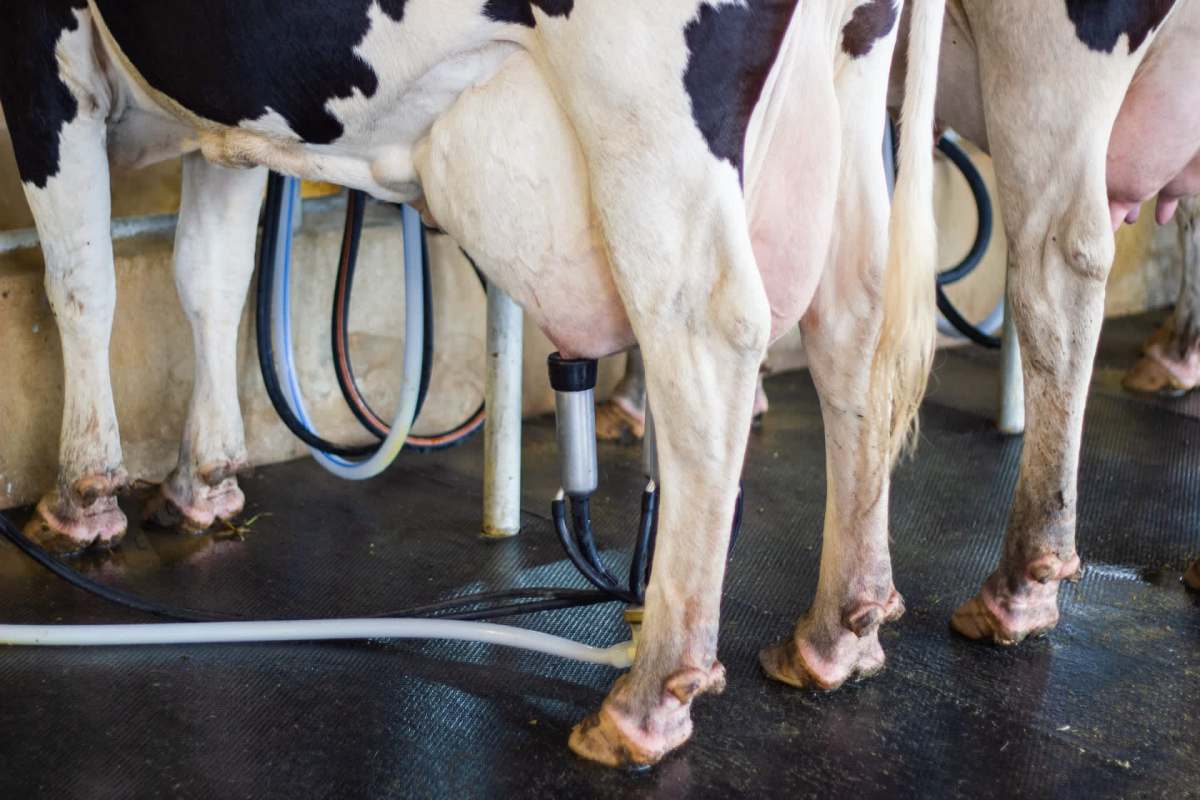
A British cheesemaker that has been operating for almost 200 years has found an unexpected way to cut energy waste: capturing heat from milk straight after it leaves the cow.
Here's what to know
Three of the seven milking parlors at Barber's Farmhouse Cheesemakers now use "milk-source" heat pumps, which the south-west England company introduced in 2024, the Guardian reported. The system says it has cut electricity use in half, reduced annual costs by about £70,000 ($93,750), and lowered carbon pollution by nearly 66 tons each year.
Instead of taking heat from the air, the ground, or water, Arkaya Energy's technology uses the warmth in fresh milk during milking. The U.K. startup's system then does two jobs at once, cooling the milk to 35 degrees Fahrenheit while heating water to 198°F, just shy of a boil.
That combination fits the daily needs of a dairy farm. Operators need to cool milk and produce very hot water every day for cleaning animals and milking equipment, but older setups often still rely on separate electric-resistance heaters or fossil-fuel boilers to reach the highest temperatures.
For Barber's, the financial case is hard to ignore.
What's being done?
Arkaya entered the market in 2024, has 27 units installed, and expects another 34 by the end of 2026. It is focusing on the U.K.'s roughly 7,000 dairy farms before expanding into Ireland and then the wider European market.
TCD Picks » Quince Spotlight
💡These best-sellers from Quince deliver affordable, sustainable luxury for all




At Barber's, the family is already planning the next step. After installing the systems at three parlors, it plans to convert the remaining four by 2028. Arkaya's system received the Royal Association of British Dairy Farmers' innovation award for 2026.
Where can I learn more?
These stories look at dairy technology, solar milking equipment, refrigeration, and efficient heat pump systems.
• At another dairy, milk-powered HVACs save roughly $94,000 a year in electricity.
• Researchers have built a solar-powered cow-milking device aimed at cutting farm energy
costs.
• Across the food supply chain, sun-powered fridges can help feed more people with less waste.
• In the U.S., heat pumps could drop overall energy demand by about half.
• Harvest Thermal is betting next-gen home heating and cooling will soon become a no-brainer.

Get TCD's free newsletters for easy tips, smart advice, and a chance to earn $5,000 toward home upgrades. To see more stories like this one, change your Google preferences here.






