


The blockbuster rise of GLP-1 weight-loss drugs is beginning to threaten one of Big Food's most dependable profit centers. Junk food such as chips, candy, and other heavily processed snacks could be in trouble.
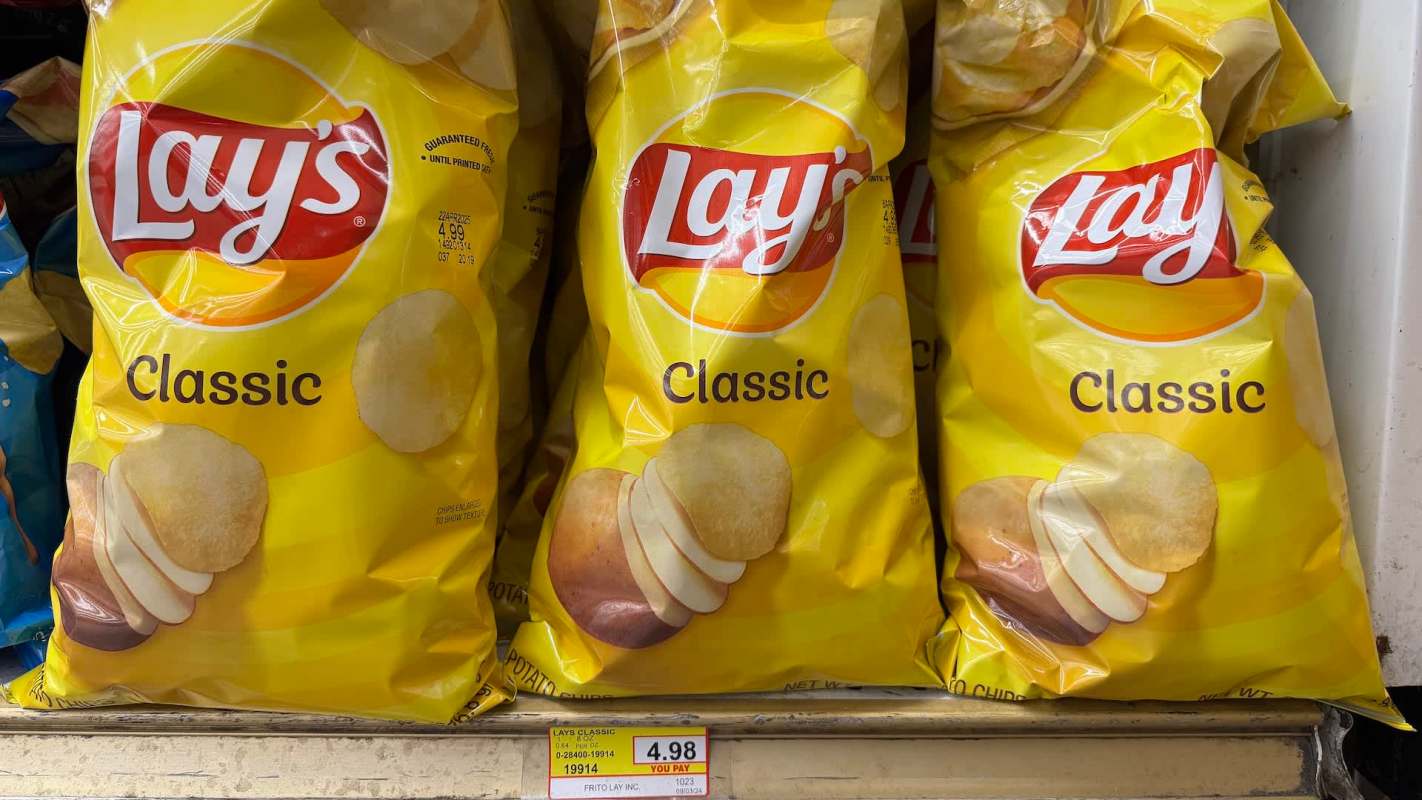
In that scenario, a Brand Finance analysis suggests Lay's has the most to lose.
Here's what to know
Brand Finance says the company, known for its potato chips, is the most globally exposed to expanding GLP-1 use among food brands, as Food Dive detailed. The analysis found that 45% of the company's brand value is tied to categories the firm views as structurally at risk from reduced eating.
The report also found that seven of the 10 most exposed brands are American, among them Doritos, Hershey's, Cheetos, Kellogg's, and Reese's.
Because GLP-1 drugs curb appetite, they pose a particular problem for companies that depend on people snacking repeatedly. In Brand Finance's breakdown, savory snacks plus confectionery and chocolate make up 53% of the brand value under pressure, even though those segments account for only 30% of overall brand value.
As Food Dive noted, analytics firm Gallup says GLP-1 use for weight loss among U.S. adults has risen to roughly 11%, up from 3% in 2024.
TCD Picks » Quince Spotlight
💡These best-sellers from Quince deliver affordable, sustainable luxury for all




More background
The brands most at risk are some of the industry's biggest names, and much of their worth is tied to foods many shoppers are already trying to limit. If appetite-reducing medications keep spreading, everyday snack products may no longer offer the same dependable growth.
Research cited by Food Dive alongside the report points in the same direction. Cornell University found a 6% drop in grocery spending in households with at least one weight-loss-drug user, while a 2025 FAIR report said people on GLP-1s consume about 700 fewer calories per day and tend to pull back most on processed foods, sugar-sweetened beverages, refined grains, and beef.
"GLP-1s could redraw the competitive landscape for the food industry," Henry Farr, valuation director for Brand Finance, told Food Dive.
That could begin to reshape what fills store shelves, promotions, and family grocery carts. If fewer shoppers reach for chips and candy, companies may need to rethink the foods they prioritize and question whether pushing cheap, calorie-dense products still makes sense in a shifting health landscape.
What's being done?
That does not mean the companies behind these brands are facing an immediate crisis. Brand Finance said several of the brands with the highest exposure are also doing well, which gives their parent companies time to adapt before any hit to demand deepens.
Farr told the outlet this strength lets companies respond through product innovation or acquisitions of brands that better match new tastes. More broadly, manufacturers may look to preserve margins by emphasizing foods that suit smaller appetites and shifting preferences.
That will not automatically solve the broader problem of unhealthy food systems, but it adds pressure on major manufacturers to move away from overreliance on sugary and salty snacks. That could eventually mean more options that align with people trying to eat fewer calories and less processed food.
"At the scale of the world's biggest food brands, even relatively modest changes in those habits can have significant commercial consequences," Farr concluded, per Food Dive.

Get TCD's free newsletters for easy tips, smart advice, and a chance to earn $5,000 toward home upgrades. To see more stories like this one, change your Google preferences here.






