


A would-be homebuyer thought they had found their dream property — a beautiful house with a freshly redone interior. Then the inspections began.
What initially looked like a move-in-ready property quickly turned into a warning about hidden moisture, mold, and the price of cosmetic renovations that may be covering much deeper problems.
Here's what to know
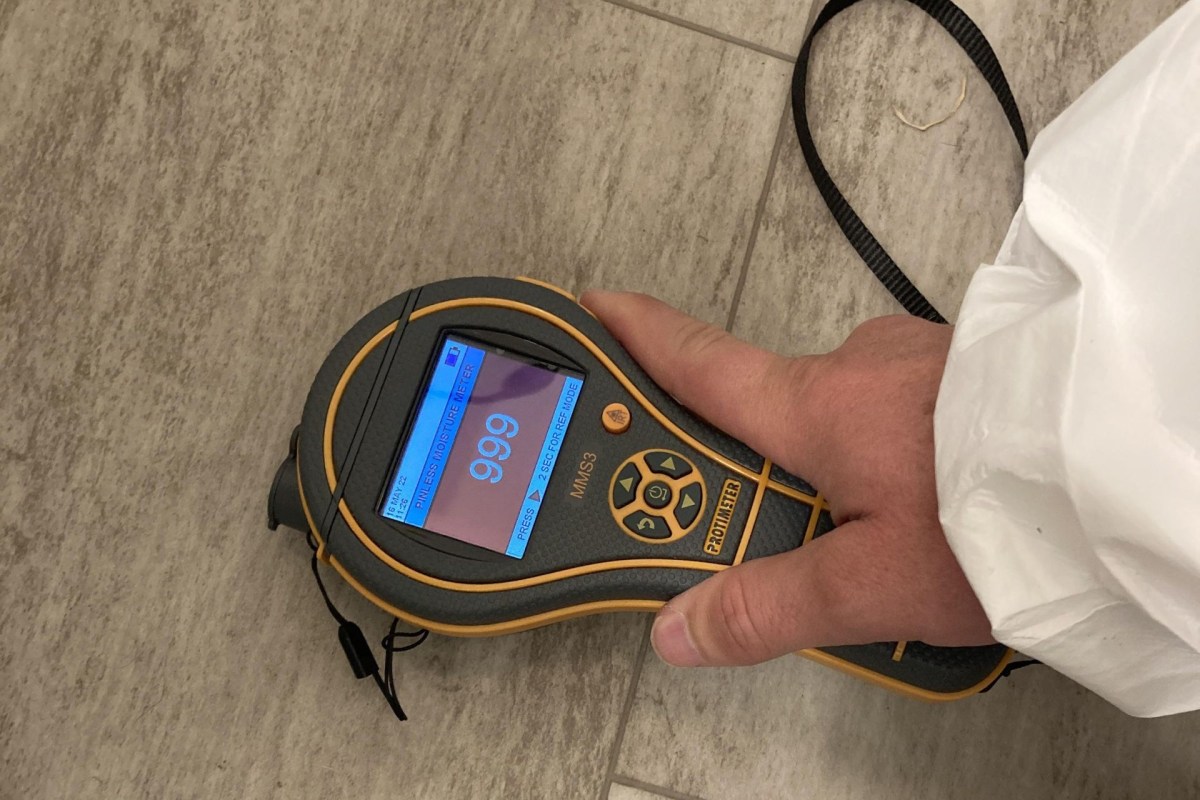
According to a Reddit thread on the site's r/FirstTimeHomeBuyer forum, an inspector found extremely high moisture readings in the home.
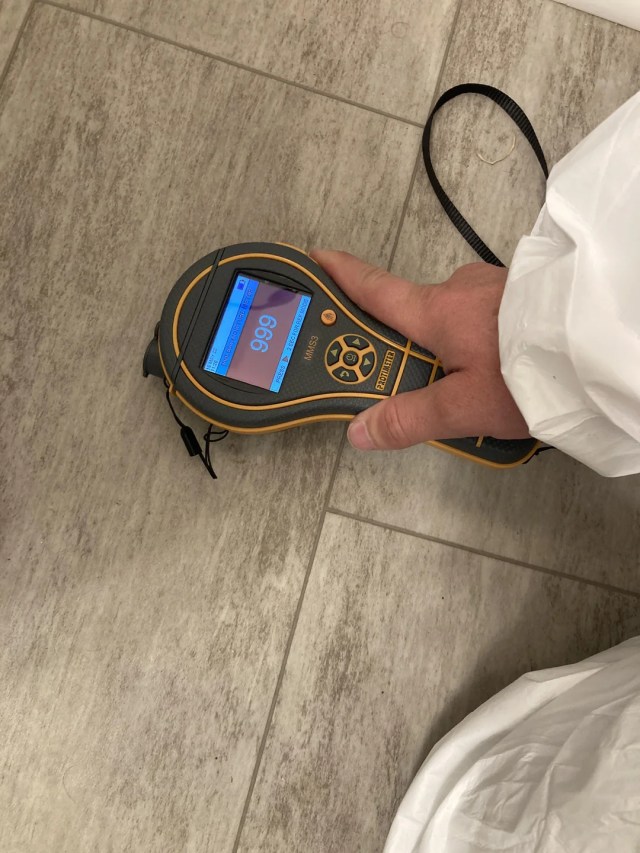
The bathroom floors hit a moisture score of "999" on a 1,000-point scale, the walls were in the high 700s, and the issue had reportedly spread into the bedrooms. The inspector said remediation could cost "tens of thousands" of dollars.
The original poster then asked whether the purchase had become too risky or whether the seller could make the needed repairs before move-in.
The OP also said there was "clear evidence" that the yard floods during rainy periods, adding to concerns that the property may have a broader water-management problem.
TCD Picks » Quince Spotlight
💡These best-sellers from Quince deliver affordable, sustainable luxury for all




Most commenters urged the buyer to back out. One person wrote: "Just walk away. Significant moisture where it's not expected means there's a ton of underlying problems that need to be addressed even before you start remediating any mold."
Another said the property looked more like a flip than a true renovation and warned: "Anything you do find is likely to be the tip of the iceberg. And if the seller does offer any concessions it's likely so that you will close and not look for any further issues."
Another Reddit user pushed back on part of the inspection. Identifying themself as a mold remediation specialist, they wrote: "I would get a second opinion. You can not get an accurate moisture reading on tile floors," but added, "The wall part is concerning though. If you want a REAL mold inspection, you need to have an indoor environmental professional. Not a remediation company."
More background
When an LLC buys a distressed home, updates it quickly, and puts it back on the market, buyers can be left wondering whether the underlying defect was actually repaired or whether the work mainly improved the home's appearance.
One commenter said the key question is where the water is entering, writing: "If it's the roof the roof needs to be fixed. If it's the foundation then there's a lot of external work that needs to be done to divert water away from the house."
Several replies also stressed that the source of the moisture needs to be known before paint, flooring, or other cosmetic updates are considered.
The OP also asked: "Does this stuff ever go away?" One commenter answered that question bluntly: "Only if you make it go away."
Where can I learn more?
These stories cover home and yard issues involving drainage, odors, landscaping damage, and maintenance mistakes.
• After heavy rain, concrete patio runoff left one homeowner dealing with avoidable yard damage.
• One homeowner faced a neighbor's drainage mistake that turned their yard into a health hazard.
• At a condo, a chemical odor problem lingered as the homeowners association dismissed complaints.

Get TCD's free newsletters for easy tips, smart advice, and a chance to earn $5,000 toward home upgrades. To see more stories like this one, change your Google preferences here.






