


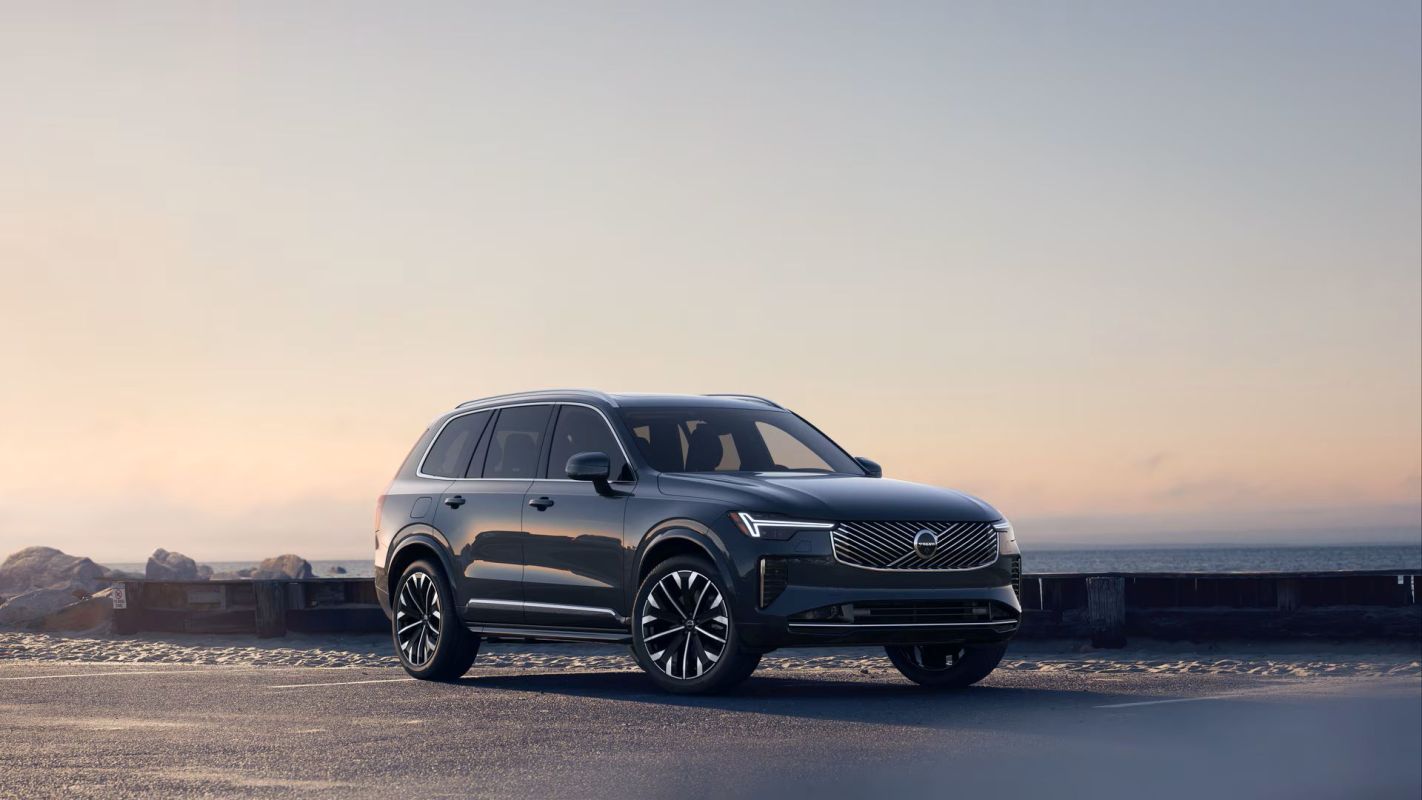
Volvo is substantially expanding the electric capability of its plug-in hybrids. For the 2028 model year, the XC90 and XC60 are both slated to get a new "long-range" plug-in hybrid system, with the XC90's electric-only range climbing to 73 miles.
Here's what to know
The biggest changes are on the electric side: As Car and Driver recently reported, Volvo is adding a stronger motor and a much larger battery while keeping the turbocharged 2.0-liter four-cylinder engine and eight-speed automatic transmission.
For the XC90 plug-in hybrid, the battery grows to 38 kilowatt-hours from 15 kWh.
Volvo says the update will increase the XC90's MPGe (miles per gallon of gasoline equivalent) from 58 to 61 and raise its estimated electric-only range to 73 miles from 32 miles — more than doubling the outgoing model's battery-powered reach. For drivers who charge regularly, that could mean fewer stops for gas.
The automaker has not yet announced 2028 pricing. Still, Car and Driver said the lineup should land near current models' pricing. The non-hybrid XC90 starts at around $62,500, while the plug-in hybrid starts at just under $81,000.
Volvo also said the smaller XC60 will get the same long-range plug-in hybrid system, although the report focused mostly on the XC90's specs.
TCD Picks » Quince Spotlight
💡These best-sellers from Quince deliver affordable, sustainable luxury for all




More background
A plug-in hybrid with more than 70 miles of electric range could handle many daily commutes, school drop-offs, and errands before the gas engine kicks in.
Drivers who use electricity for most local trips often spend less on fuel, and electrified vehicles also tend to need less routine maintenance than traditional gas-only models because they have fewer wear-heavy components tied to engine use.
The shift also comes as more shoppers weigh whether buying a fully electric vehicle makes sense for their lifestyle or whether a plug-in hybrid offers a more practical transition.
For drivers who want electric driving for everyday use but still want gas backup for road trips or longer travel, a longer-range PHEV (plug-in hybrid electric vehicle) can make that middle ground more attractive.
Volvo is also keeping gas-only versions in the XC90 lineup, including 247-horsepower B5 and 295-horsepower B6 trims, while the plug-in hybrid remains rated at 455 horsepower total.
What can be done?
If most trips are short, a plug-in hybrid with substantial electric range can help cut gas costs while easing range anxiety. If most driving is local and home charging is readily available, a full EV may offer even greater fuel and maintenance savings.
That kind of home setup can also make a big difference for plug-in hybrid owners, since frequent charging lets them maximize electric miles and minimize gasoline use. Without regular charging, a PHEV functions much more like a conventional gas vehicle.
Where can I learn more?
These other TCD stories cover other aspects of the shift toward EVs, including automaker battery plans, home charger setups, and other questions about EV costs and ownership.
• Toyota says its solid-state battery could deliver 745 miles and 10-minute charging.
• A home Level 2 charger installation can make overnight EV charging far more practical.
• Many drivers say switching to electric cars slashes fuel costs and routine maintenance.
• Common myths about EV costs still shape how shoppers judge prices and pollution.

Get TCD's free newsletters for easy tips, smart advice, and a chance to earn $5,000 toward home upgrades. To see more stories like this one, change your Google preferences here.






