


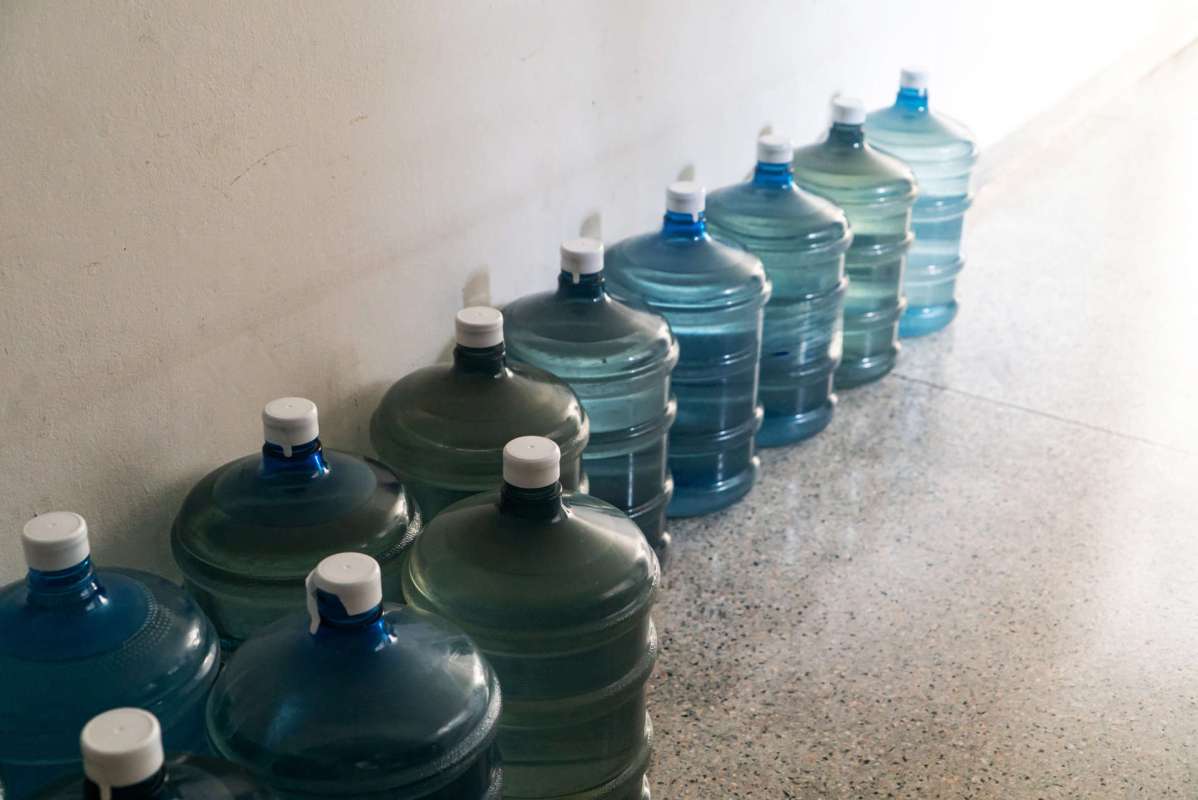
A simple question about old water jugs struck a nerve in the doomsday prepper community.
One homeowner took to Reddit's r/Preppers community to ask: If you refill empty gallon containers with tap water and store them in the pantry, are you setting up a smart emergency backup, or creating a problem waiting to happen?
Here's what to know
In the Reddit thread, the original poster wrote, "I've been saving water by filling the gallon jugs of purified water with tap water once I've finished them. I write the date I filled it with tap water and put it in the pantry"
After opening one that had been filled in 2024 and finding it "smells like nothing and looks clear still," the poster asked whether the practice made sense for short-term emergencies. OP also asked, "Should I empty these 2024 bottles, rinse them, and fill them up again?... If so, how often?"
One commenter answered bluntly, saying, "Replace it once a year and treat it with Clorox." But as another commenter put it, "Remember that all the Clorox bleach is not the same. You have to get the specifically disinfectant bleach, not the splashless laundry bleach."
Another user added, "Here's a better idea. Drink the tap water, store the bottled water and rotate it. You're basically adding a higher risk of contamination. Just filter your tap water, drink that regularly, and use the bottled water in an emergency. But, be sure to occasionally drink the stored water and replace with new bottles of water."
TCD Picks » Quince Spotlight
💡These best-sellers from Quince deliver affordable, sustainable luxury for all




Much of the discussion focused on upkeep rather than the container itself. Commenters who thought the method was fine stressed that the water should be rotated on a regular basis, and those recommending bleach treatment repeatedly warned that different bleach products vary in type and strength.
There was also disagreement about whether any extra treatment was needed in the first place. One commenter argued, "Absolutely unnecessary with municipal tap water. Complete waste of time."
A storm, a pipe break, or a service interruption can quickly make water an immediate concern.
And reusing empty gallon jugs is appealing for another reason, as it is inexpensive and the containers may already be in your home. There is an environmental benefit, too. Reusing containers before recycling them can help cut down on additional plastic purchases and reduce waste, while still giving households a practical backup option.
Where can I learn more?
These articles look at ways people reuse household containers, carry water, spot leaks, and organize supplies.
• Homeowners are giving empty laundry detergent jugs a second life for household storage.
• Many households can save about $1,300 a year with a reusable water bottle.
• A simple plumbing check can help homeowners spot leaks before repair bills climb.

Get TCD's free newsletters for easy tips, smart advice, and a chance to earn $5,000 toward home upgrades. To see more stories like this one, change your Google preferences here.






