


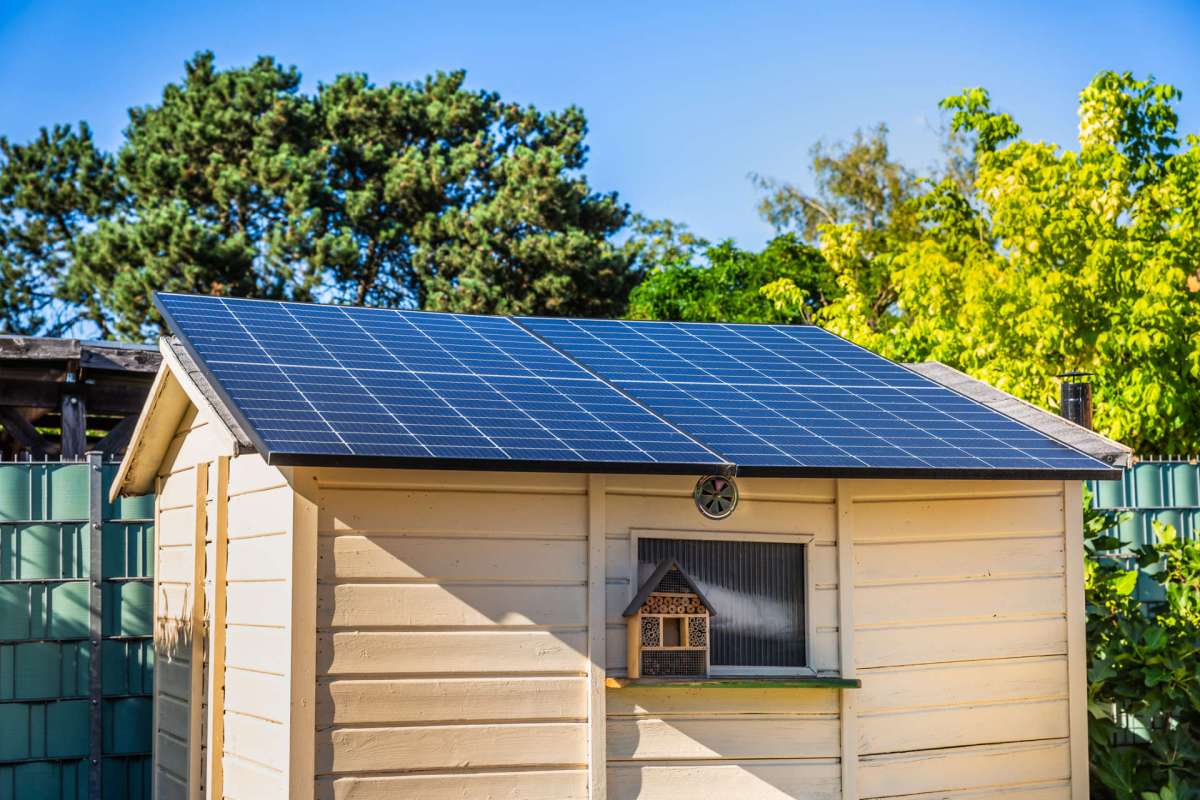
A homeowner hoping to power an isolated shed with a solar panel ran into a common off-grid reality check: Figuring out the panels may not be the hardest part. The bigger question is how much electricity the shed's devices will actually need.
The shed's power needs were fairly basic: a fan, some form of humidity control, charging for batteries and a phone, and occasional use of a small heater.
But in a Reddit thread, the original poster said the building was about 500 feet from available power, making a line extension too expensive.
Here's what to know
Commenters quickly identified the shed's likely energy hog.
As one commenter put it: "That dehumidifier is going to be a big power draw." Another added that "the size of the panel matters far less than the output."
Small off-grid solar setups are often constrained less by available space than by daily energy demand. Charging a phone or powering a fan may be manageable, but adding a dehumidifier or heater can quickly increase the amount of battery storage and solar capacity needed.
Rather than starting with panel size, one commenter said the homeowner should begin with a full estimate of how much energy the shed would use in a day and then look at each device's wattage and expected run time, use that to determine overall energy needs, and choose battery storage and solar capacity from there.
They also warned that panels often produce much less in real conditions than their listed ratings suggest, so a system may need more capacity than expected.
Save $10,000 on solar panels without even sharing your phone number Want to go solar but not sure who to trust? EnergySage has your back with free and transparent quotes from fully vetted providers that can help you save as much as $10k on installation. To get started, just answer a few questions about your home — no phone number required. Within a day or two, EnergySage will email you the best local options for your needs, and their expert advisers can help you compare quotes and pick a winner. |

More background
For many households, going solar is one of the best ways to save money on home energy over time. If a bigger home setup is on the table, it can be worth exploring EnergySage to get free solar installation estimates and compare quotes.
Off-grid projects are not always simple, plug-and-play upgrades. When a building is far from the grid, solar can look especially appealing, but appliance choices suddenly matter much more because every additional watt affects both panel size and battery cost.
A lower-power alternative also came up in the discussion, with commenters mentioning desiccant dehumidifiers as a possible swap for a traditional unit.
What can be done?
In cases like this, cutting the load first can shrink the whole project. Better sealing, more efficient fans, LED lighting, and limiting when equipment runs can all bring down the size — and cost — of a solar-plus-battery system.
More From EnergySage
💡Go deep on the latest news and trends shaping the residential solar landscape
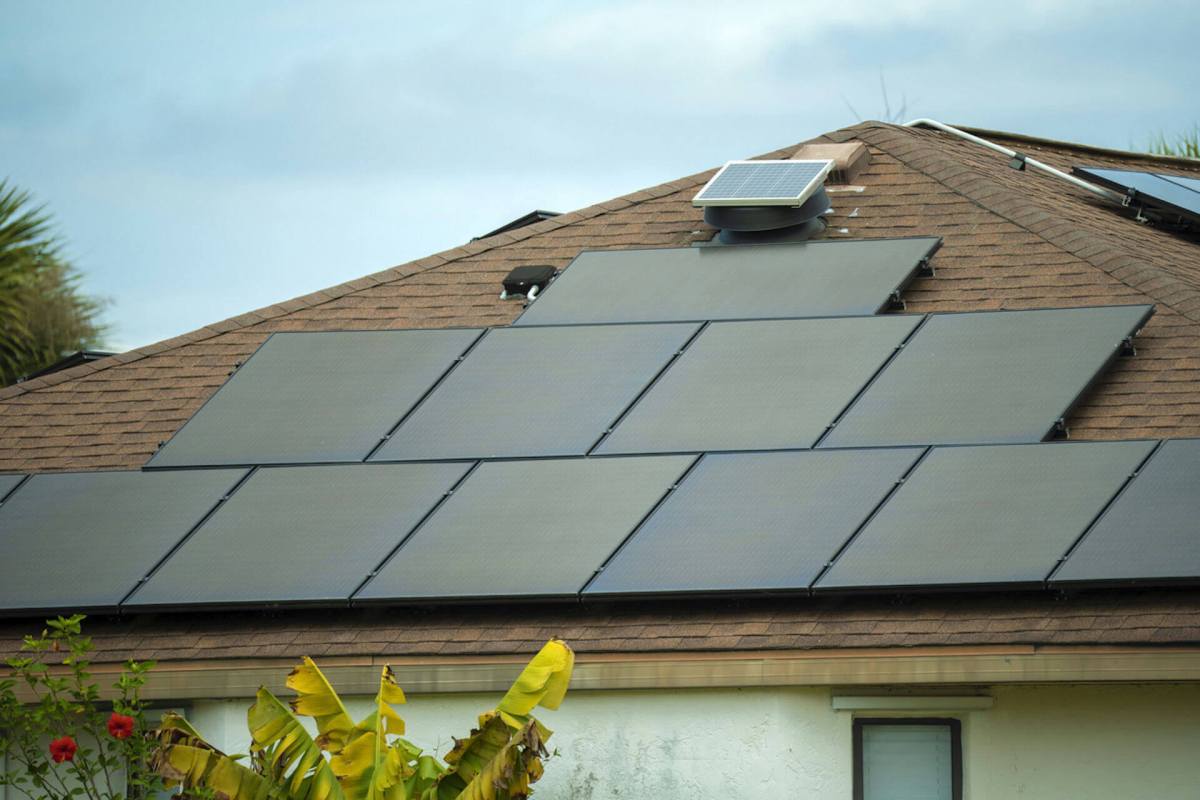

For homeowners curious about rooftop solar rather than a fully off-grid shed, EnergySage can help you curate competitive bids from local installers without them getting your contact information unless you decide to move forward. That can make it easier to compare realistic options without committing too early.
EnergySage's free services can also be valuable once you start pricing systems in earnest. And EnergySage's solar map shows the average cost of a home solar panel system on a state-by-state level, plus solar panel incentives available in each state, which together can help readers get the best price for rooftop solar panels and access available incentives.
Adding battery storage to a solar setup is also one of the best ways to protect your home during outages, save money on energy, and go off-grid. It can turn a daytime-only solar system into something much more flexible and resilient. Readers can also explore EnergySage for information about home battery storage options, including competitive installation estimates.
Where can I learn more?
These articles look at off-grid home planning, dry-cabin life, solar pricing, policy hurdles, and how rooftop panels affect the grid.
• On Reddit, a homeowner found a lot to learn here while planning off-grid solar.
• In a dry cabin, one homeowner faced no water connection and had to adapt.
• At EnergySage, Charlie Hadlow broke down factors that drive solar prices for homeowners.
• In California, homeowners said a brick wall in front of their solar suddenly appeared.
• A new study found solar-powered households benefit the grid while lowering energy costs.

Get TCD's free newsletters for easy tips, smart advice, and a chance to earn $5,000 toward home upgrades. To see more stories like this one, change your Google preferences here.






