


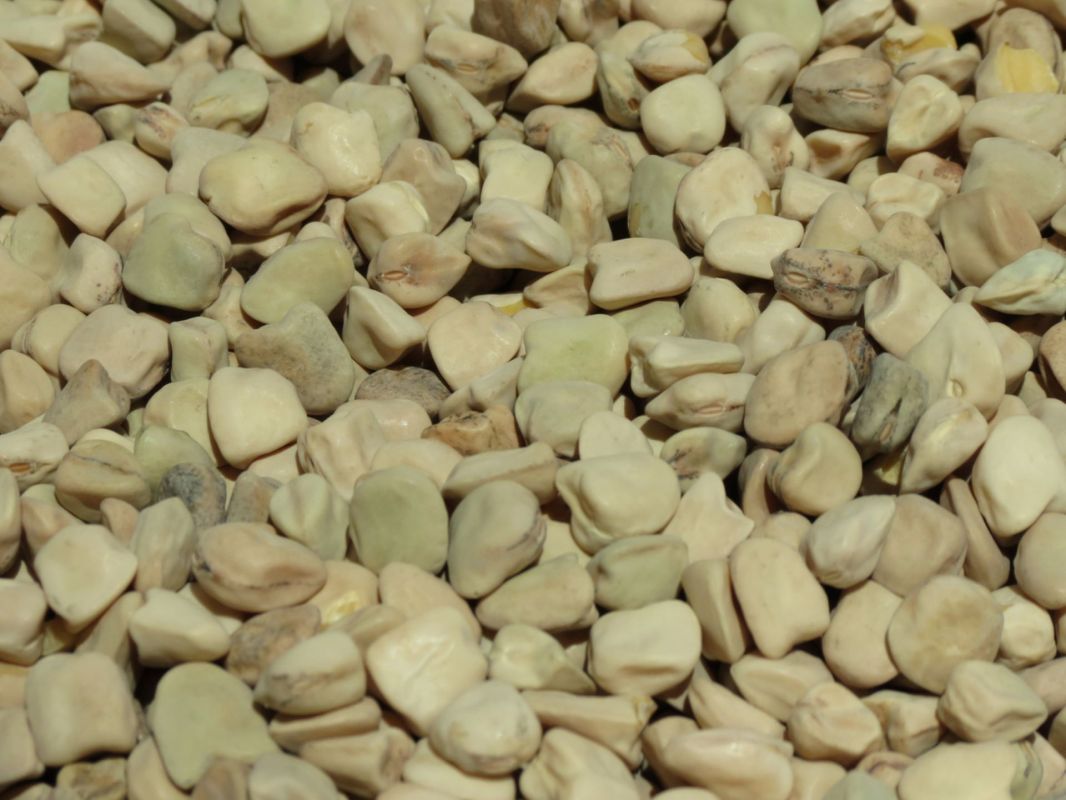
A poisonous pea could transform the way we eat as the planet overheats — thanks to efforts from scientists who are seeking to remove its toxic qualities.
The grass pea, known to scientists as Lathyrus sativus, is a nutritious, protein-rich legume that can resist massive droughts, which makes it an attractive insurance crop in areas that need short-term backups when primary crops have failed, according to the Guardian. However, the grass pea also houses a chemical that, under the right conditions, can cause those who eat it to undergo permanent paralysis.
Scientists are now developing ways to strip the grass pea of its least attractive side effect.
"Very soon, we will be able to make safe versions of the grass pea and provide our undernourished, overheated planet with a very valuable crop," Anne Edwards, a scientist at the John Innes Centre in Norfolk, told the Guardian.
Researchers plan to create a new future for the crop by using gene editing and more traditional breeding.
"Obviously you don't want to create a version of the grass pea that does not make toxins and then find out that it is also no longer drought-resistant," Edwards told the Guardian. "However … it seems there is no penalty from removing the toxin or having very, very low levels of it."
TCD Picks » Quince Spotlight
💡These best-sellers from Quince deliver affordable, sustainable luxury for all




The crop has a number of positive side effects as well: Its roots contain a bacteria that converts airborne nitrogen into ammonium, which fertilizes the soil that it inhabits, according to the Guardian. Additionally, its roots are so widespread that it has the power to enhance the soil quality of the areas in which it grows.
"As we prepare for increased climate change, we are going to need crops that can cope with drought or flooding or inundations of salt water," Peter Emmrich, from the Norwich Institute for Sustainable Development, told the Guardian. "Grass pea can survive such conditions."

Join our free newsletter for cool news and cool tips that make it easy to help yourself while helping the planet.







