


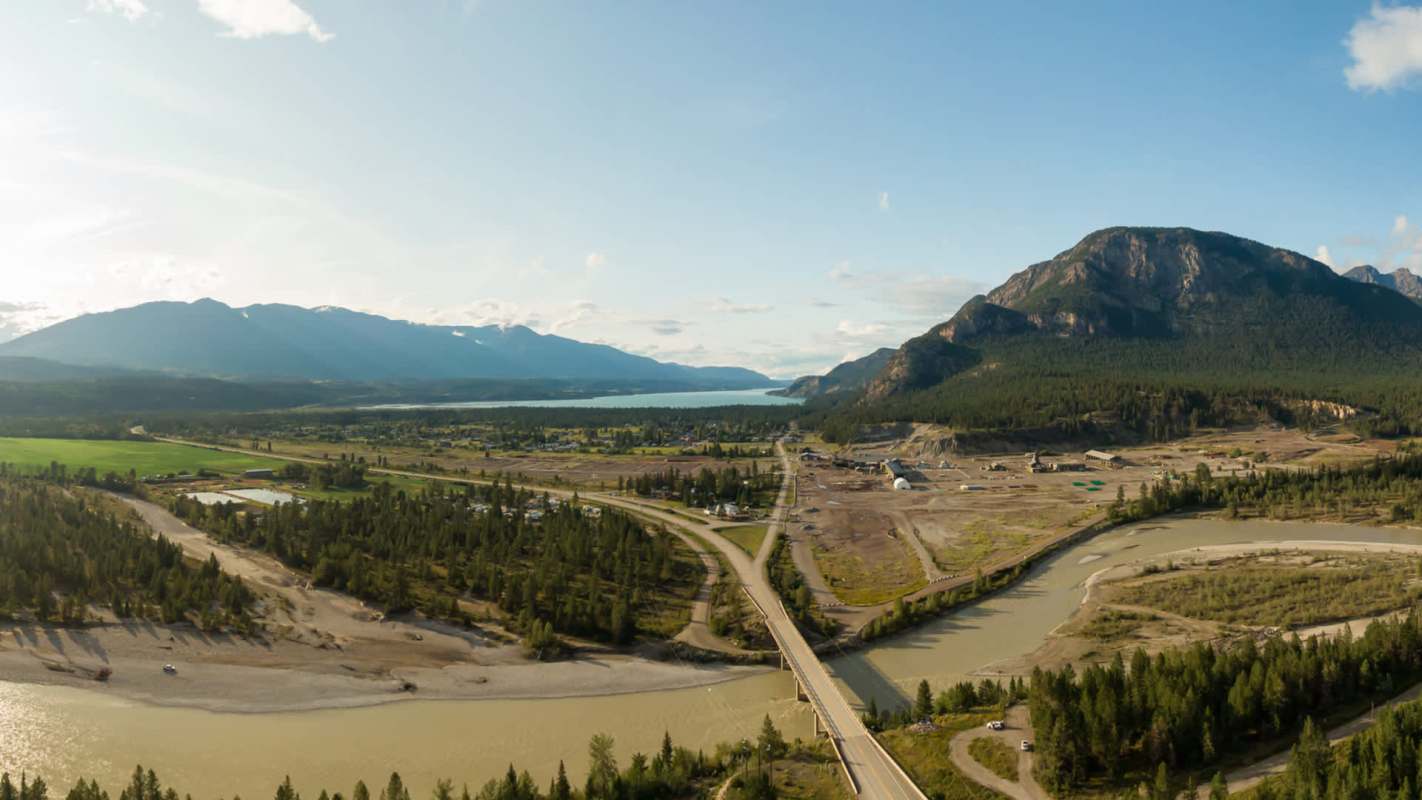
A tiny village in British Columbia is reporting a level of water use that looks striking on paper: nearly double the national average. But officials in Canal Flats say the figure may say as much about what the community cannot measure as about what residents are actually using.
Here's what to know
Canal Flats, a village of around 889 people in B.C.'s East Kootenay region, was listed at about 182 gallons of water use per person each day in 2025 — well above the Canadian average of 88.5 gallons, according to CBC News.
With no water meters in place, village staff can tell how much water enters Canal Flats' system but not how much reaches end users. That means the high per-person figure is raising questions not only about conservation, but also about how limited the community's data is.
The village's 2025 drinking water report says the system has 472 connections in all — 442 residential, 10 commercial, two for schools, and 18 owned by the village. Without metering, officials still cannot tell whether the elevated water-use number reflects heavy residential consumption, leaks, or a mix of both.
The report also urges residents to "make every effort to reduce their consumption both inside and outside the home."
More background
This kind of uncertainty can make planning much harder. If a significant share of treated drinking water is being lost before it ever reaches household taps, that can mean higher maintenance costs, more strain on aging infrastructure, and less resilience during hotter, drier conditions.
TCD Picks » Quince Spotlight
💡These best-sellers from Quince deliver affordable, sustainable luxury for all




Parts of Canal Flats' water system date back decades, and aging mains may be helping drive a problem that has built up over time.
The effects can include service interruptions, delayed infrastructure improvements, and rising costs tied to reactive repairs.
"We're in a position that a lot of communities are where we're being reactive to things that weren't being dealt with. And it would be nice to be able to shift into a proactive stance," said Cynthia White, the village's chief administrative officer.
The village's situation also points to a challenge facing many smaller towns, where limited budgets and aging public works systems can leave officials trying to manage major water issues without complete data.
What's being done?
Canal Flats is expected to begin leak-detection work, a step that could help determine whether underground losses are driving the village's unusually high water-use numbers. Officials are considering splitting the system into four or five sections, with crews likely doing leak detection in one area each year.
That means the effort could take four to five years, depending on what crews uncover and which repairs emerge as the highest priority. Officials have not yet discussed installing water meters because they first need stronger leak-detection data.
Outside Canal Flats, British Columbia is funding similar monitoring efforts. A $50 million water-monitoring pilot announced in May 2025 by the Ministry of Housing and Municipal Affairs is expected to provide nearly 15,000 automated water meters for 19 small, rural, and First Nations communities. It will also cover all eligible costs in some cases, help save up to 396 million gallons of water each year, and cut water use by as much as 30%.
Canal Flats was not among the communities selected, making its local leak-detection work especially important.
The village's immediate task is figuring out what is happening below ground.
"At this point, we don't have the data to know what it is that we need to do next," White said.
Where can I learn more?
Read more in these stories about water-hungry data centers, ancient irrigation, rainwater collection, and snowmelt research.
• Utah residents are pushing back as proposed new data centers could deepen drought strain.
• In Spain, communities are reviving traditions from a 1,000-year-old irrigation system to stretch scarce drought water.
• At home, longtime preppers are building DIY water barrel systems to save runoff.
• In remote mountains, scientists found boulders can slow snowmelt and reshape water availability.

Get TCD's free newsletters for easy tips, smart advice, and a chance to earn $5,000 toward home upgrades. To see more stories like this one, change your Google preferences here.






