


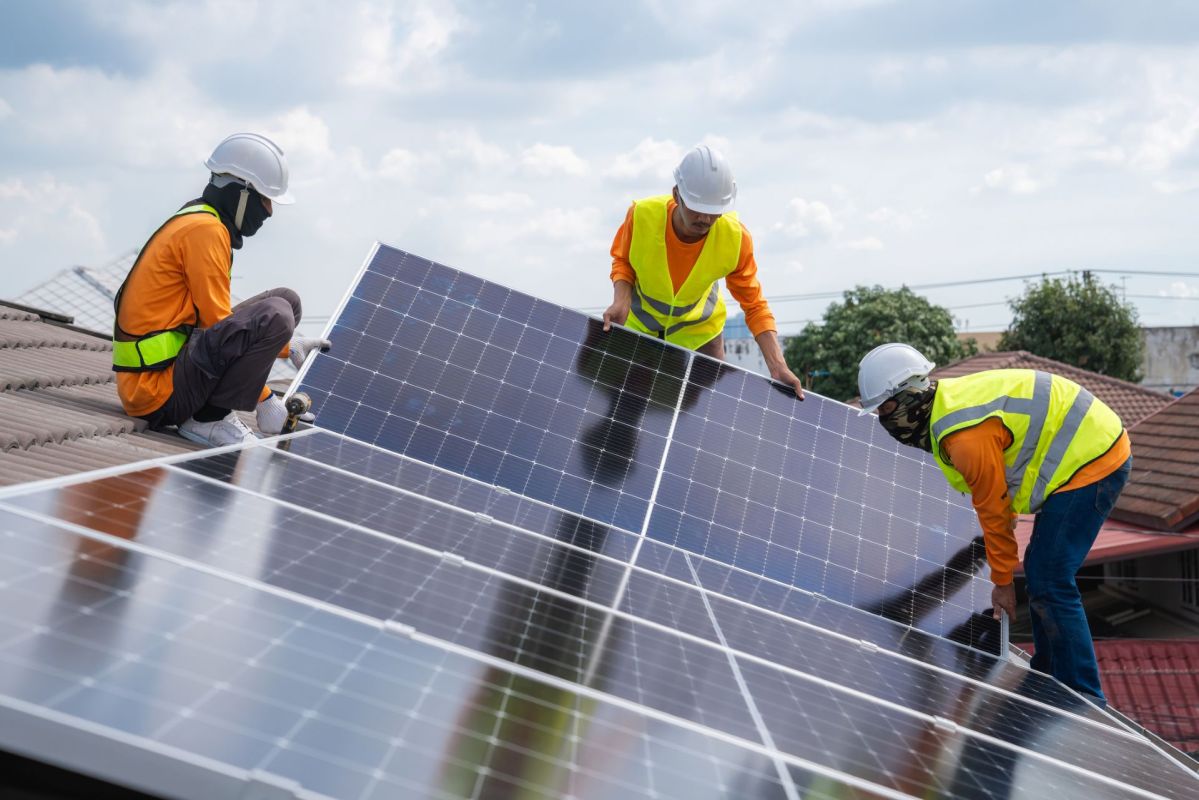
After a prospective solar panel buyer got a suspiciously high quote for a 9.88-kilowatt setup, they took to the internet for a reality check.
Here's what to know
In a thread on Reddit's r/Solar community, the shopper shared an estimate for a 9.88 kW system priced at about $44,000, including nearly $20,000 for installation and around $15,000 for supporting equipment.
The original poster's reaction was blunt, writing, "Am I crazy? I did a little digging beforehand and was expecting like half this price, am I missing something?... Wtf?"
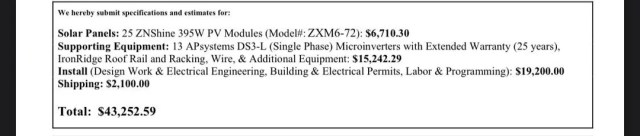
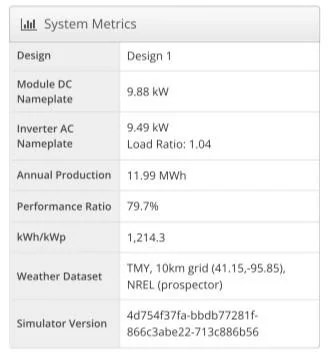
Rather than focus only on the line items, several commenters reduced the proposal to a common benchmark (dollars per watt). That figure varies by area rather than having a strict nationwide benchmark, but one commenter said the proposal came to "$4.35/watt of solar, which is crazy. Maybe the market has shifted, but $3/watt was 'about right.' I think I paid like $2.45 or $2.75 or something before adding in battery backup."
One user added, "Not sure where you are located, but for most of the US, over $4/w cash price and for lower tier equipment is very very overpriced." Another wrote, "For comparison, I paid $49,282.50 for a 17.6kw system last year, but that was when the tax credit was still in effect."
After looking over the listed parts, some commenters said the equipment pricing alone seemed inflated by about $11,000. But more broadly, others said the full proposal landed well outside what they would view as a reasonable bid.
One commenter summed up the community's reaction by saying, "RUN. run very far away."
More background
A quick way to evaluate any offer is to divide the total price by the system's output in watts, which makes it much easier to compare one installer's bid with another's.
Save $10,000 on solar panels without even sharing your phone number Want to go solar but not sure who to trust? EnergySage has your back with free and transparent quotes from fully vetted providers that can help you save as much as $10k on installation. To get started, just answer a few questions about your home — no phone number required. Within a day or two, EnergySage will email you the best local options for your needs, and their expert advisers can help you compare quotes and pick a winner. |

Battery storage was another point raised in the discussion, because batteries are often priced separately instead of being folded into a solar system's per-watt figure. Even so, many commenters said the quote in question looked expensive based on the base system alone, before batteries entered the equation.
Shopping several installers is the safest move. Always compare the cost per installed watt along with the equipment brands, labor pricing, warranty coverage, and any extra fees. When one quote is dramatically higher than the rest, that is usually a sign to dig deeper or move on.
If you're shopping around, EnergySage can help you get free solar installation estimates and compare quotes side by side. With EnergySage's help, the average person can save up to $10,000 on solar purchases and installations.
Plus, EnergySage's solar map shows the average cost of a home solar panel system by state, along with incentive details for each state.
More From EnergySage
💡Go deep on the latest news and trends shaping the residential solar landscape




And adding battery storage to a solar setup is one of the best ways to protect your home during outages, save money on energy, and go off-grid. If you're considering that route, EnergySage also offers information about home battery storage options, including competitive installation estimates.
Where can I learn more?
These stories cover solar pricing scams, ways homeowners can save, and utility charges.
• Energy experts warned homeowners that a common solar panel scam can make no-cost promises expensive.
• EnergySage experts have used competitive quote shopping tactics to cut homeowner solar costs.
• One solar owner blasted ridiculous utility charges after receiving an unexpectedly high bill.

Get TCD's free newsletters for easy tips, smart advice, and a chance to earn $5,000 toward home upgrades. To see more stories like this one, change your Google preferences here.






