


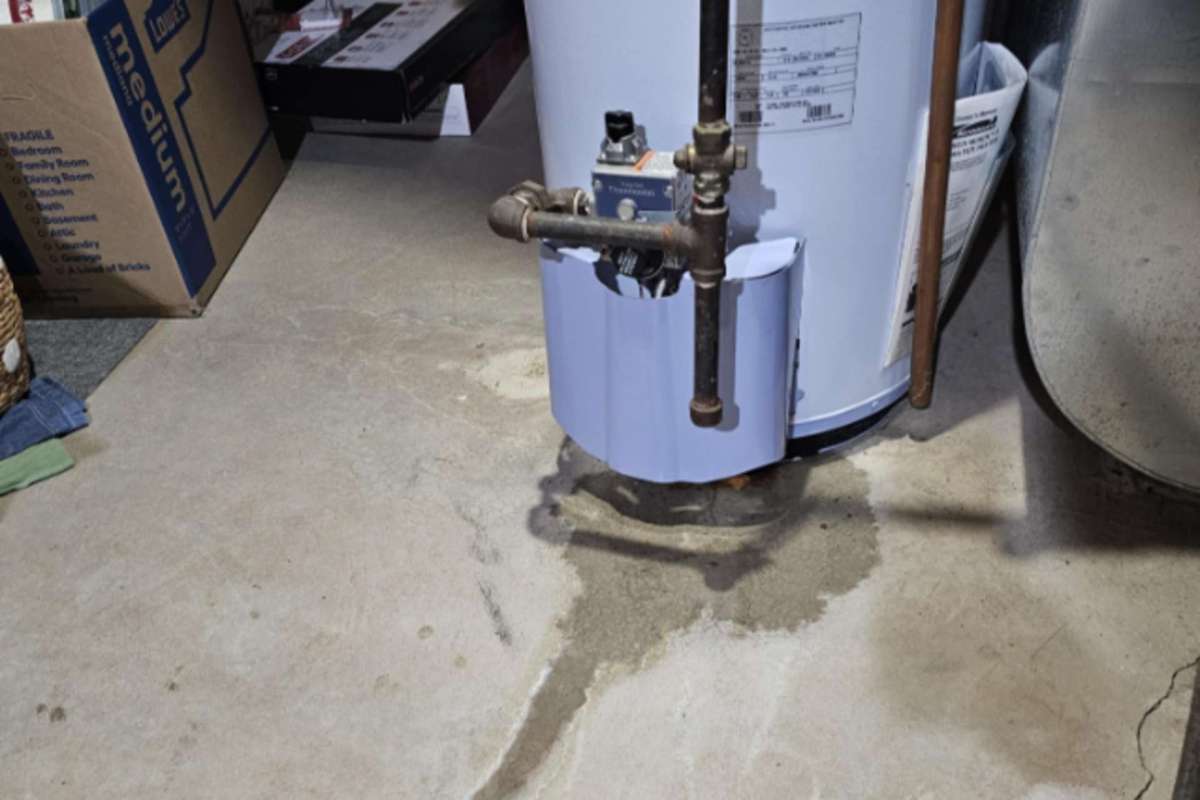
A small puddle under an old water heater can seem minor — until it turns into soaked flooring and a far bigger repair bill. That concern drove one homeowner's question about a leaking unit they've had since 2008.
Here's what to know
In a post on r/homeowners, the original poster wrote, "Noticed this small amount of water coming from the bottom of the water heater. It's from 2008. What do we think?" Many responses treated the leak as something worth taking seriously.
Because the unit dated back to 2008, several readers zeroed in on its age. One replied that "nearly 20 years with a hot water tank is a pretty good life cycle," and others said moisture at the base of a heater that old can point to an internal tank problem rather than an easy repair.
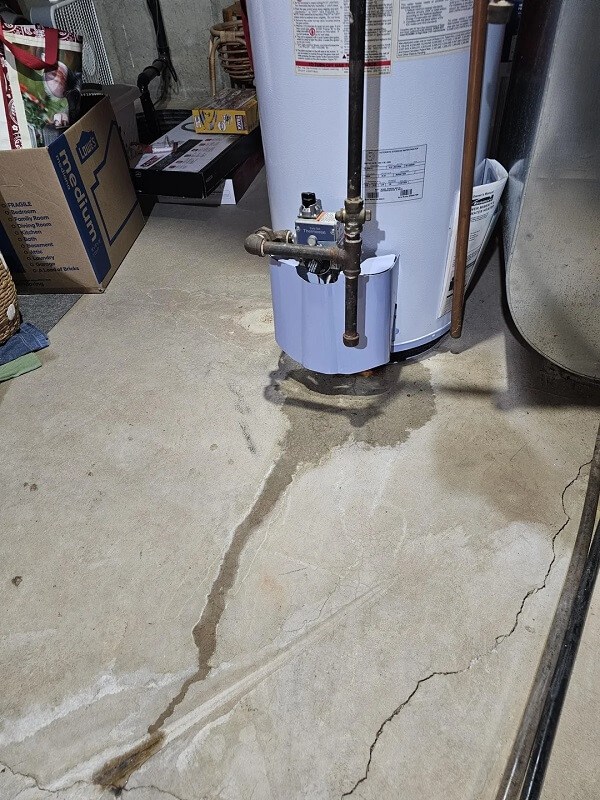
Another commenter framed it as an issue that can escalate quickly: "The leak on the floor like that usually means the inner lining finally gave out, once it starts it doesn't stop until you're ankle deep in water at 2am." Their advice was to start budgeting for a replacement instead of waiting for the heater to fail completely.
The homeowner said the source might not be the tank after all, writing, "I took a video and found that this pipe is what is leaking. Doesn't actually seem like the tank." Even with that update, commenters still pushed for quick attention to any unexplained leak around an older water heater.
If you find yourself in a similar situation, upgrading to a heat pump water heater could at least lead to lower energy bills in the future.
More background
Water heaters often give subtle warnings before they fail in a major way. A slow drip can damage subflooring, drywall, or stored belongings long before a homeowner realizes how serious the problem has become.
For one Redditor, the failure came fast. They said a 25-year-old heater had already started losing hot-water capacity, and after they increased the temperature, the basement was flooded.
Save $10,000 on solar panels without even sharing your phone number Want to go solar but not sure who to trust? EnergySage has your back with free and transparent quotes from fully vetted providers in your area. To get started, just answer a few questions about your home — no phone number required. Within a day or two, EnergySage will email you the best options for your needs, and their expert advisers can help you compare quotes and pick a winner. Solar panels can save you more than $50k over their 25-year lifespan, and EnergySage can help you save as much as $10k on installation. Which begs the question — isn't that worth an email or two? |

When the conversation turned to replacement choices, not everyone agreed on the best next step. Some suggested a tankless model, while others argued that route could add over $1000 and would mean losing the stored-water backup a standard tank can provide during a power outage.
What can be done?
The first step is figuring out exactly where the water is coming from. A leak from a valve, fitting, or nearby pipe may be repairable, but seepage from the tank body itself usually means replacement is the safer option. If the source is unclear, a plumber can help confirm it.
As one commenter put it: "Take this trickle as a gentle warning; at 19 years, it doesn't owe you anything."
When it's time to upgrade your unit, Cala's smart heat pump water heater can deliver some serious bill savings. Its customizable water heaters heat water only when you need it, drastically cutting the energy used to unnecessarily heat water.
Where can I learn more?
These articles cover water heater upkeep, leak detection, and simple ways to cut water waste.
• A home expert said to keep your water heater maintained to avoid costly breakdowns and save money.
• A plumber shared a simple way to detect leaks in your home early, helping homeowners avoid thousands in damage.
• A realtor showed how a simple blue-dye test can expose a toilet leak fast.

Get TCD's free newsletters for easy tips, smart advice, and a chance to earn $5,000 toward home upgrades. To see more stories like this one, change your Google preferences here.






