


When outdoor temperatures climb into the triple digits, even a working air conditioner can seem like it's failing.
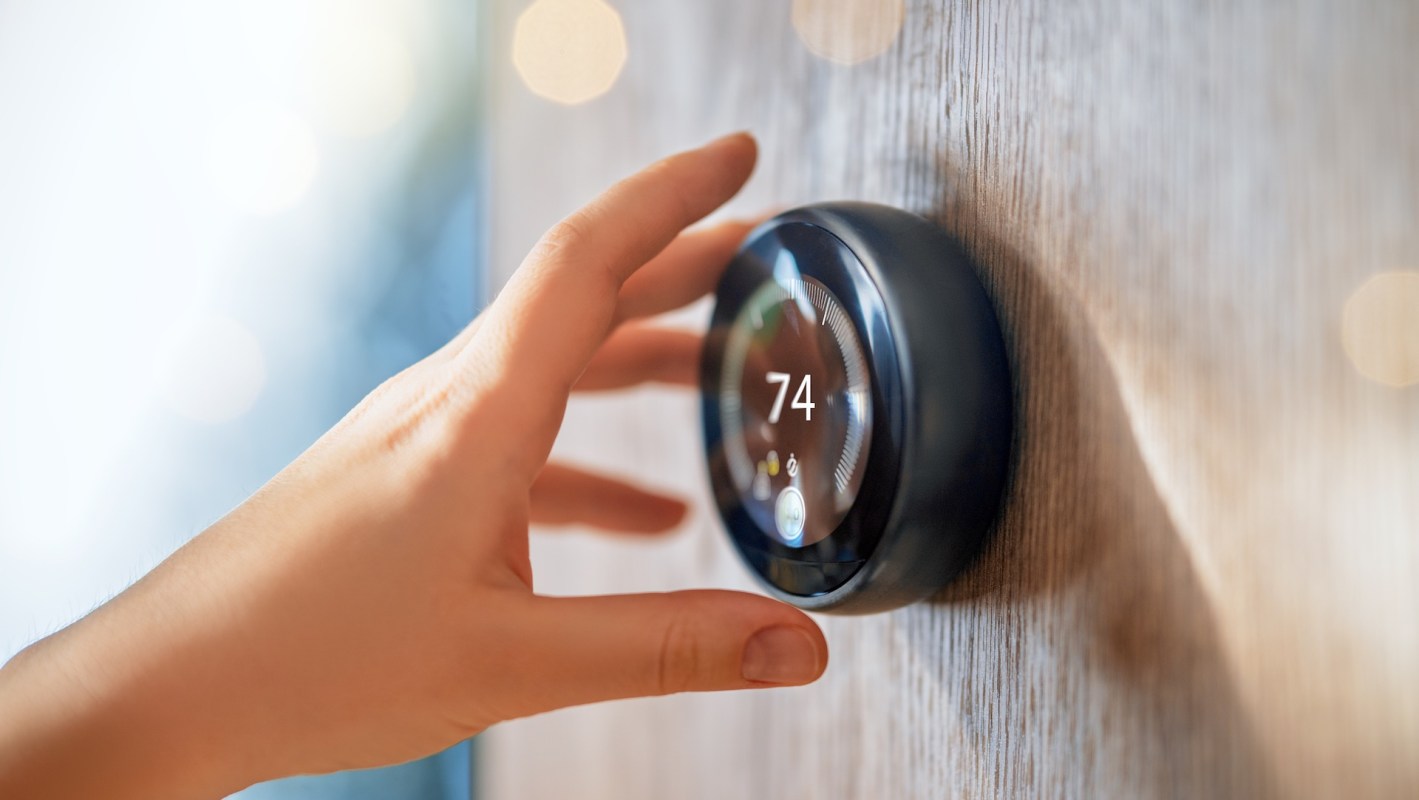
That was the concern for one homeowner in the southeastern United States, who said their thermostat was set to 74 degrees, but the house still rose to 77 or 78 during the hottest part of the day, according to a Reddit thread.
Here's what to know
Instead of concluding the equipment had failed, the homeowner wondered whether this was simply what happens with an HVAC system that is a little over 10 years old. They said the unit had already been serviced and no problems were found. "I've found that with the AC temp set to around 74, throughout the day and especially into the early evening, our indoor temp creeps up to 77-78."
Several commenters said the problem may not be the air conditioner itself. One wrote, "Your A/C should either work or not. It doesn't really lose efficiency over time," while adding that coolant leaks are a separate issue and "that's not a normal thing."
The conversation instead turned toward the parts of the house that affect heat transfer. People highlighted attic insulation, crawl-space insulation, roof ventilation, and sunlight pouring through exposed windows. Another commenter also said the familiar "20 degree rule" gets misread, explaining, "The common 20 degree saying stems from a delta T (temp) meaning the air temperature difference should be at least 20 degrees between the air in your return vents vs supply vents."
More background
A later reply from the homeowner added another detail that pushed the discussion further in that direction: "Attic is insulated, windows are new-ish, but I noticed in our crawl space ... there is no insulation on the ceiling." From there, commenters focused more on hidden heat gain and air loss than on a malfunctioning AC system.
People then pointed to a few specific possibilities. One commenter said loose-fill attic insulation can settle over time and lose effectiveness, while another said bad roof ventilation can make the attic extremely hot and let that warmth move into the house. Windows were also part of the discussion. The original poster wrote, "The sun sets directly facing the front of our house, so all of our front windows get absolutely ignited with sunlight haha."
What can be done?
Advice in the thread focused on checking the home itself: measuring attic insulation depth, checking roof ventilation, examining crawl-space insulation or encapsulation, adding heavier coverings or outdoor shades to sun-facing windows, and contacting the local utility to see whether it offers a free energy audit.
Save $10,000 on solar panels without even sharing your phone number Want to go solar but not sure who to trust? EnergySage has your back with free and transparent quotes from fully vetted providers in your area. To get started, just answer a few questions about your home — no phone number required. Within a day or two, EnergySage will email you the best options for your needs, and their expert advisers can help you compare quotes and pick a winner. Solar panels can save you more than $50k over their 25-year lifespan, and EnergySage can help you save as much as $10k on installation. Which begs the question — isn't that worth an email or two? |

One commenter wrote: "In general, if your AC blows cold air, then most probably the issue is with the actual house and not the AC."
Where can I learn more?
These articles look at thermostat settings, AC maintenance, fan use, and dry mode in summer.
• U.S. experts say the best AC setting is 78, with fans and shades helping.
• On TikTok, a homeowner found simple drain cleaning improved AC efficiency and lowered bills.
• One homeowner learned running a fan can cost less than blasting AC.
• Many homeowners say using dry mode trims moisture and helps prevent mold.

Get TCD's free newsletters for easy tips, smart advice, and a chance to earn $5,000 toward home upgrades. To see more stories like this one, change your Google preferences here.






