


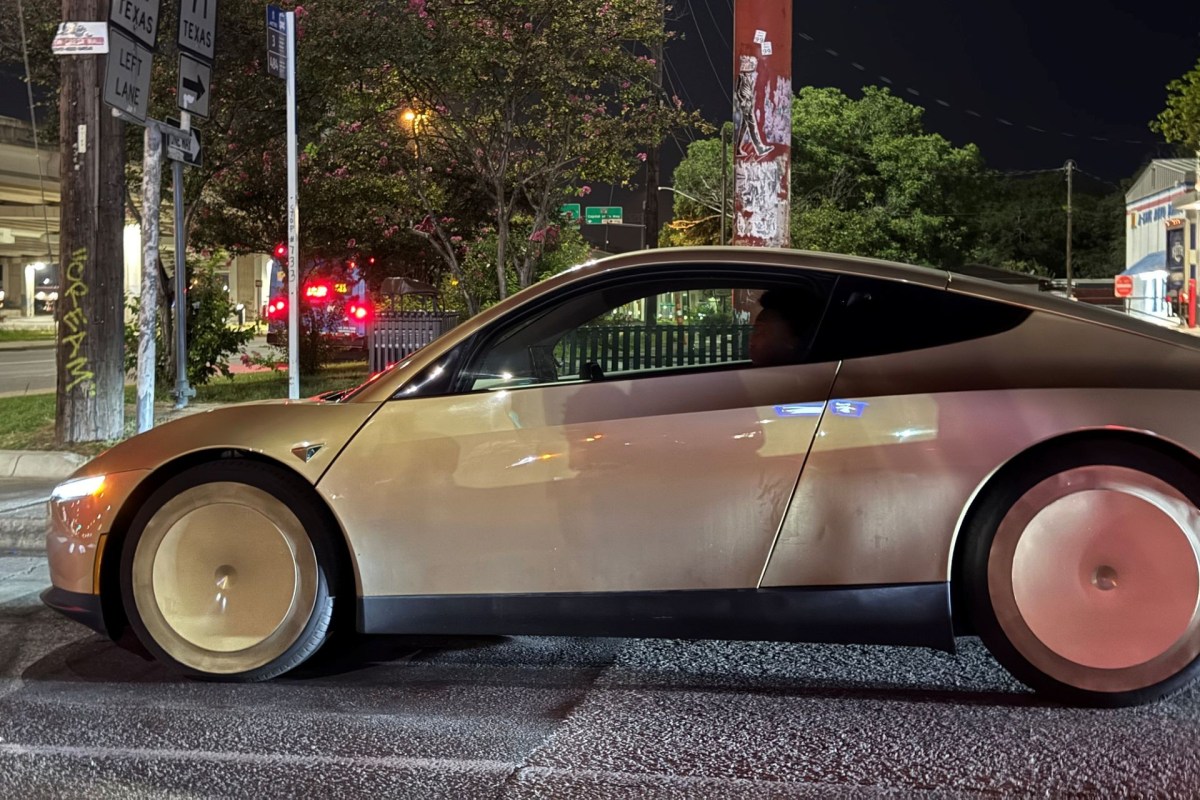
Tesla's futuristic Cybercab rollout in Austin is already facing a major federal test.
NHTSA has ordered Tesla to explain, under oath, why a vehicle sold for use under current federal safety rules can qualify without a steering wheel, pedals, or mirrors.
Here's what to know
NHTSA issued its Special Order after Tesla unveiled Cybercab in Austin on Sept. 3, then began limited paid rides in selected parts of the city a day later.
In coverage highlighted by Motor1, the agency's focus is Tesla's decision to rely on self-certification rather than apply for a temporary exemption.
One major issue involves Federal Motor Vehicle Safety Standard No. 135, which says service brakes must be "activated by a foot control." With no conventional pedals on Cybercab, Tesla must lay out why it believes the vehicle still meets that requirement as written.
In the U.S., automakers typically certify their own vehicles first, and regulators review them later through audits or investigations. If regulators decide Tesla's certification was inaccurate or significantly misleading, civil penalties could reach about $139 million.
TCD Picks » Quince Spotlight
💡These best-sellers from Quince deliver affordable, sustainable luxury for all




More background
Tesla's approach appears to differ from that of at least one other robotaxi company.
Zoox, the Amazon-backed autonomous vehicle developer, first argued that its purpose-built shuttle could comply with the rules, then later obtained a limited exemption covering certain standards under defined operating conditions.
Tesla has not indicated that Cybercab has a similar exemption and is instead depending entirely on self-certification. That makes the review a test of whether the current federal rulebook can cover a vehicle designed without standard human driving controls.
The agency has proposed changes that would let an automated vehicle use an actuator or similar component as the brake control rather than a human-operated pedal, but it has not finalized those revisions.
NHTSA is measuring Cybercab against the standards currently in force. The agency is also looking into temporary equipment, including the bolt-on steering wheels Tesla references in its first-responder guide for some units. That equipment could affect how regulators assess whether the launch vehicles match the configuration Tesla certified.
What's being done?
Because the agency is demanding sworn responses, Tesla has to put its interpretation of federal safety rules for a fully autonomous vehicle into a formal legal record.
That process could lead to several outcomes. Regulators could accept Tesla's explanation, press for design or documentation changes, or take enforcement action if they conclude the certification does not comply with existing law.
If Tesla's responses are false or incomplete, the company could face additional exposure under broader laws involving false statements or perjury. A prolonged review could slow the company's robotaxi expansion, reduce availability in Austin, or affect timelines for bringing similar services to other cities.
The case could shape how quickly self-driving vehicles without conventional controls reach the market. If regulators require exemptions or updated rules before broader deployment, that could add time, but it could also clarify safety expectations.

Get TCD's free newsletters for easy tips, smart advice, and a chance to earn $5,000 toward home upgrades. To see more stories like this one, change your Google preferences here.






