


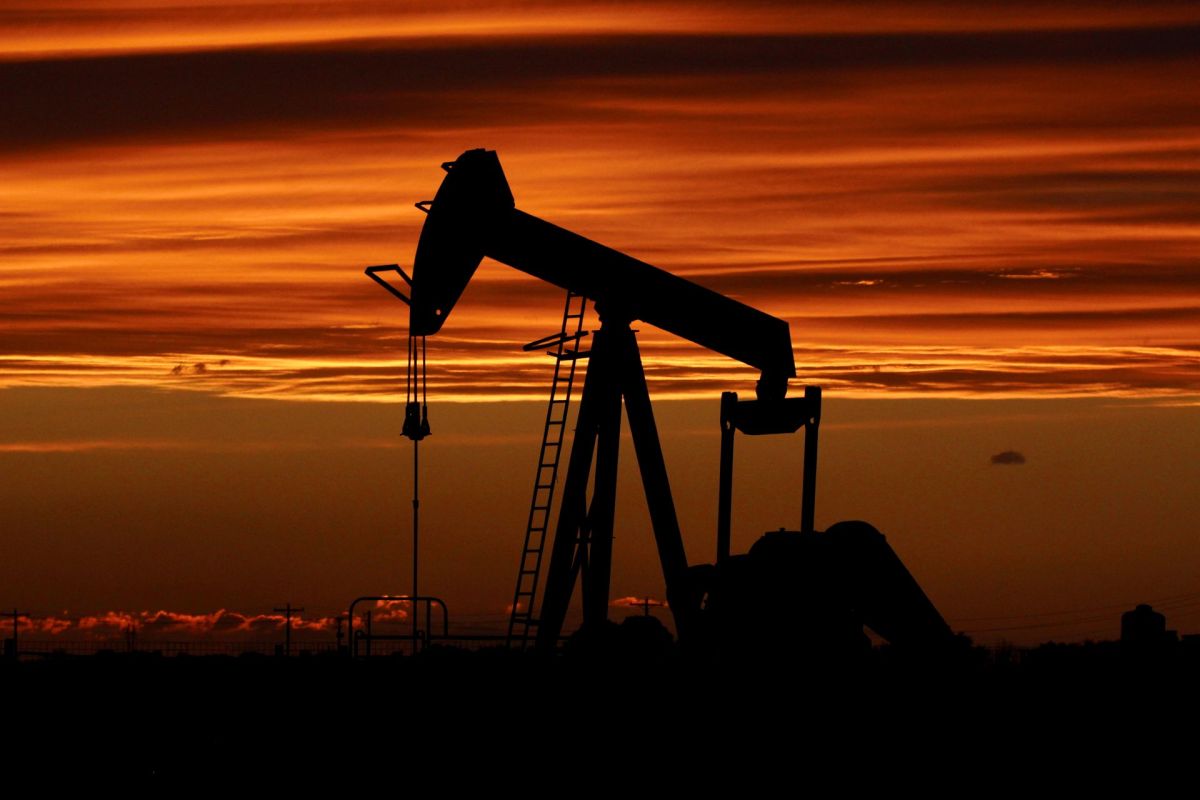
Texas lawmakers are zeroing in on a major long-term oil and gas liability: Texas has nearly 160,000 inactive wells, and if the companies tied to them fold or vanish, those sites can end up as orphan wells.
The hearing will put regulators on the spot over whether the state has a strong enough plan to stop aging wells from becoming pollution hazards and taxpayer-funded cleanup problems.
Here's what to know
At the hearing, members of the House Energy Resources Committee will question the Texas Railroad Commission, which is responsible for both oil and gas oversight and the state's inventory of inactive wells. As The Texas Tribune reported, the risk of orphaning rises when the operator is gone or has spent at least a year in bankruptcy.
Texas has at least 12,000 orphan wells, and neglected sites can channel oil and gas wastewater in ways that cause severe damage, with cleanup costs reaching tens of millions of dollars. Operators have been able to repeatedly delay plugging inactive wells.
Lawmakers approved Senate Bill 1150 during the 2025 session and sent the measure, authored by state Sen. Mayes Middleton, R-Galveston, to Gov. Greg Abbott, The Texas Tribune reported. It sets a 15-year inactivity limit before a well must be plugged, while still preserving multiple paths to delay that requirement.
Speaking to The Texas Tribune, Permian Basin Petroleum Association President Ben Sheppard said it is "imperative" that operators shrink the number of inactive wells. "We support the reasonable efforts that will strengthen the requirements to reduce this population over time while also allowing operators the opportunity to get these wells into activity in lieu of plugging if they are economical."
TCD Picks » Quince Spotlight
💡These best-sellers from Quince deliver affordable, sustainable luxury for all




More background
SB 1150 lets the agency weigh extension requests from operators that have demonstrated they plug other inactive wells, and it also creates a route for companies that say they lack the money for cleanup. In those cases, the final plugging deadline could be delayed until 2042.
Nikki Morris, whom The Texas Tribune identified as a geologist and executive director of the Ralph Lowe Institute of Energy at Texas Christian University, said the law leaves room for delay.
What's being done?
Through the hearing, lawmakers want to see how the commission intends to write the new rules required by the law, including the level of scrutiny it will apply to requests for more time.
The state's financial assurance requirements are meant to show that companies can afford cleanup. Operators can calculate assurances by well depth at $2 per foot, or by well count. A company with 10 wells may need only $25,000 in assurance, even though remediation can cost millions per well.
Adam Peltz, senior director and legal counsel at the Environmental Defense Fund, told The Texas Tribune he hopes regulators apply more scrutiny to extension requests and set tough standards for which companies qualify.
"Based on the current legislation, the operators can keep these inactive for almost indefinitely," Morris said. "There's a lot of wiggle room."
Where can I learn more?
These articles look at the impact of our energy system on the environment, orphan wells, aging coal plants, renewable power generation, and local battles over gas infrastructure.
• A startup is tackling leaky orphan wells across old oil fields before emissions worsen.
• Across the United States, old coal plants are draining hundreds of millions from ratepayers.
• Nationwide, clean solar and wind generated more electricity than coal in early 2023.
• In Massachusetts, utilities poured $100 million into new gas lines after local bans.

Get TCD's free newsletters for easy tips, smart advice, and a chance to earn $5,000 toward home upgrades. To see more stories like this one, change your Google preferences here.






